Silicon Valley, renowned for its tech innovations and booming startups, is increasingly turning its attention to a demographic that has often been overlooked in the tech world – the elderly. While innovations in various sectors like artificial intelligence, biotech, and fintech often steal the spotlight, there’s a quiet revolution happening in how technology addresses the unique needs of older adults. This shift isn’t just about creating gadgets but involves a fundamental rethinking of how we can enhance the quality of life and independence for the elderly.
A crucial driver behind this movement is the stark demographic reality. By 2030, it is expected that one in five U.S. residents will be 65 or older. This ‘silver tsunami’ of aging baby boomers presents not only societal challenges but also significant opportunities for tech startups to create solutions that support aging in place, improve health outcomes, and foster social connections. From wearables and AI-driven health monitors to social robots and apps designed for cognitive health, the landscape is rich with innovations geared towards this age group.
Moreover, the COVID-19 pandemic has spotlighted the vulnerabilities and isolation faced by many older adults, accelerating the demand for technology that can bridge gaps in healthcare, social connectivity, and daily support. Tech giants and nimble startups alike have stepped up their game, bringing forth a plethora of products and services aimed at making life easier, safer, and more enjoyable for seniors.
Health Tech: Pioneering Wearables and Monitoring Devices
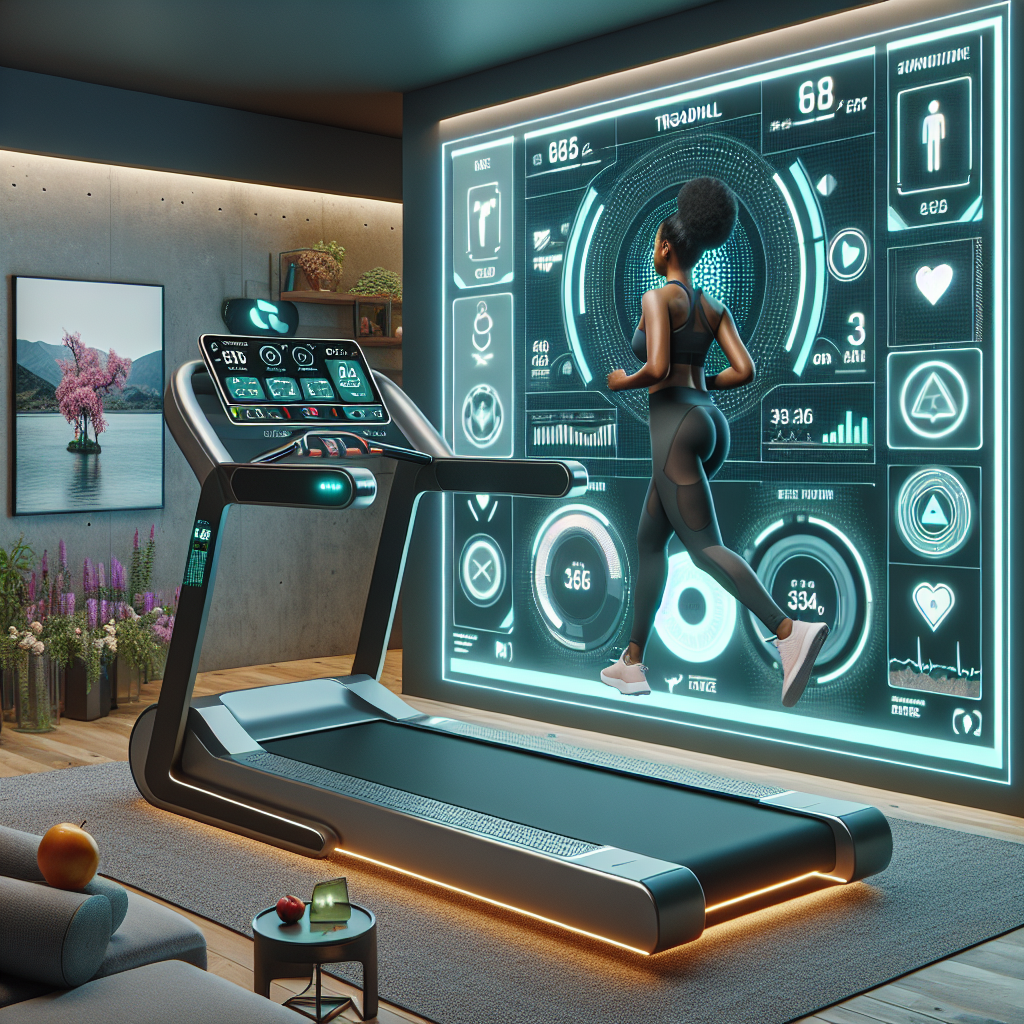
In the realm of health technology, wearables and monitoring devices are among the most transformative innovations making waves in Silicon Valley. These gadgets not only track vital signs but are also equipped to detect irregularities that might necessitate medical intervention. For instance, companies like Apple and Fitbit have engineered smartwatches that monitor heart rate, blood oxygen levels, and even detect falls, which can be critical for seniors living alone.
More specialized devices are also emerging. For example, KardiaMobile offers a personal EKG that can be used at home, allowing real-time monitoring of cardiac conditions and timely medical consultations. Similarly, Omron’s HeartGuide, a wearable blood pressure monitor, combines the functionalities of a smartwatch with crucial health features, empowering seniors to keep track of their health parameters easily.
The integration of Artificial Intelligence (AI) in these devices further elevates their utility. AI algorithms can analyze patterns in the data collected, providing predictive insights that could preempt health crises. This not only helps in managing chronic conditions better but also significantly reduces the burden on healthcare systems. The continuous advancements in sensor technology and AI promise a future where elderly individuals can lead healthier and more independent lives.
Smart Home Technologies: Enhancing Safety and Convenience
Smart home technologies are another significant area where Silicon Valley startups are innovating to improve the lives of the elderly. These technologies aim to create a safer, more comfortable living environment through automation and remote monitoring. Products like smart doorbells, security cameras, and automated lighting systems can dramatically enhance the safety of an elderly person’s home.
Voice-activated assistants like Amazon’s Alexa and Google Home are already game-changers in terms of accessibility. Seniors can control home appliances, set reminders, and even make emergency calls without having to handle complex interfaces. These devices can also be integrated with other smart home products, creating a seamless, user-friendly experience.
Moreover, companies like Nest are developing smart thermostats and smoke detectors that learn a resident’s preferences and routines, optimizing comfort while ensuring safety. Similarly, Smart locks provide an added layer of security, allowing caregivers and family members controlled access to the home, thereby reducing the risk of unauthorized entry while ensuring help can reach quickly when needed.
Robotics: Humanizing Technology
Robotics is another exciting arena where Silicon Valley is pushing the envelope in tech innovation for the elderly. Robots are being designed not just as tools but as companions that can provide emotional and cognitive support. For instance, ElliQ, developed by Intuition Robotics, acts as both a personal assistant and a companion. It uses AI to interact with users, reminding them to take their medications, encouraging physical activity, and even engaging in conversation to reduce feelings of loneliness.
Assistive robotics is also making strides. Robots like Jibo and Mabu can help with daily activities, monitoring health parameters and offering a sense of companionship. They are programmed to learn individual habits and preferences, making interactions more personalized and effective.
The implications of such technology extend beyond mere convenience; they help in maintaining the mental and emotional well-being of seniors. As these robots become more sophisticated, their ability to perform complex tasks will improve, paving the way for a future where they can assist with even more intricate aspects of daily living, thus enhancing the overall quality of life.
Telehealth: Bridging the Healthcare Gap
Telehealth has become a cornerstone in providing healthcare to elderly populations, especially in the wake of the COVID-19 pandemic. Silicon Valley companies have been quick to develop solutions that enable seniors to access medical consultations, follow-ups, and even mental health services from the comfort of their homes. Platforms like Teladoc, Amwell, and Doctor on Demand offer comprehensive telehealth services, allowing seniors to consult with healthcare providers via video calls.
Enhanced telehealth platforms also provide tools for remote patient monitoring, enabling doctors to track a patient’s health metrics in real-time. This continuous monitoring is particularly beneficial for managing chronic illnesses such as diabetes and hypertension. By integrating wearable devices with telehealth platforms, a more holistic approach to healthcare becomes feasible, reducing the need for frequent hospital visits.
Additionally, telehealth solutions often come with user-friendly interfaces tailored to seniors, ensuring ease of use. These innovations not only improve access to healthcare but also empower the elderly to take active roles in managing their health, thus fostering a sense of independence.
Apps and Digital Platforms: Cognitive Health and Social Connectivity
Another burgeoning field is the development of apps and digital platforms aimed at enhancing cognitive health and fostering social connectivity among the elderly. Cognitive decline is a significant concern as people age, and tech companies are addressing this through various applications and platforms.
For instance, apps like MindMate and Lumosity offer a range of cognitive games designed to improve mental agility. These applications, grounded in scientific research, aim to keep minds sharp and engaged, potentially delaying the onset of cognitive decline. Other platforms focus on memory assistance, like the app RemindMeCare, which helps with daily planning and medication reminders.
Social connectivity is another area where apps are making a substantial impact. Social isolation is a common issue among the elderly, and platforms like Facebook, Zoom, and various senior-specific social networks offer ways for them to stay connected with family, friends, and the larger community. Even virtual reality platforms are being utilized; solutions like Rendever help seniors experience environments and social settings they otherwise would be unable to visit, significantly enhancing the quality of their social interactions.
Barriers to Adoption and Future Prospects
While the innovations from Silicon Valley are promising, several barriers hinder widespread adoption among the elderly population. Affordability is one of the primary concerns. High-tech solutions can be costly, making them accessible primarily to those with higher incomes. This cost barrier needs to be addressed either through subsidies, insurance coverage, or more affordable design solutions to ensure broader access.
Usability is another critical issue. Many elderly individuals may not be as tech-savvy, finding it challenging to operate these advanced devices and applications. Hence, intuitive design and user education become paramount. Companies must invest in creating interfaces that are straightforward and provide adequate support and training.
Privacy and security present additional hurdles. As these technologies often involve the collection and transmission of sensitive personal data, ensuring robust cybersecurity measures is essential. Tech companies must prioritize data protection and establish transparent policies to gain the trust of elderly users and their families.
Looking towards the future, the prospects for tech innovations aimed at the elderly are bright. As the population continues to age, the demand for such technologies will only grow, driving further innovation and improvement. Research and development efforts are likely to focus on making these technologies more affordable, user-friendly, and secure, ensuring they meet the diverse needs of the elderly population. With Silicon Valley’s relentless innovation and a focus on inclusive design, the technological future for seniors looks promising.
Conclusion
The tech innovations emerging from Silicon Valley are opening new frontiers in enhancing the lives of the elderly. From pioneering health wearables and smart home technologies to advanced robotics and telehealth solutions, these innovations are geared towards fostering independence, improving health outcomes, and mitigating social isolation. While challenges in affordability, usability, and data security remain, the relentless pace of innovation promises solutions that will continue to break down these barriers.
Investing in technology for the elderly is not just a niche market but a societal necessity. As the demographic shift towards an older population becomes more pronounced, the role of technology in supporting this age group will become increasingly critical. Silicon Valley, with its wealth of talent and resources, is uniquely positioned to lead this change, crafting solutions that not only cater to the elderly but also promote a more inclusive approach to technological innovation.
In conclusion, the convergence of cutting-edge technology and the needs of an aging population represents a win-win scenario. It offers startups and tech giants a burgeoning market filled with opportunities for growth and impact. At the same time, it provides the elderly with tools and systems that significantly enhance their quality of life. As we move forward, continued collaboration among tech developers, healthcare providers, and policymakers will be crucial in ensuring these innovations are accessible, effective, and secure, heralding a new era where aging in place is supported by the very best of what technology has to offer.