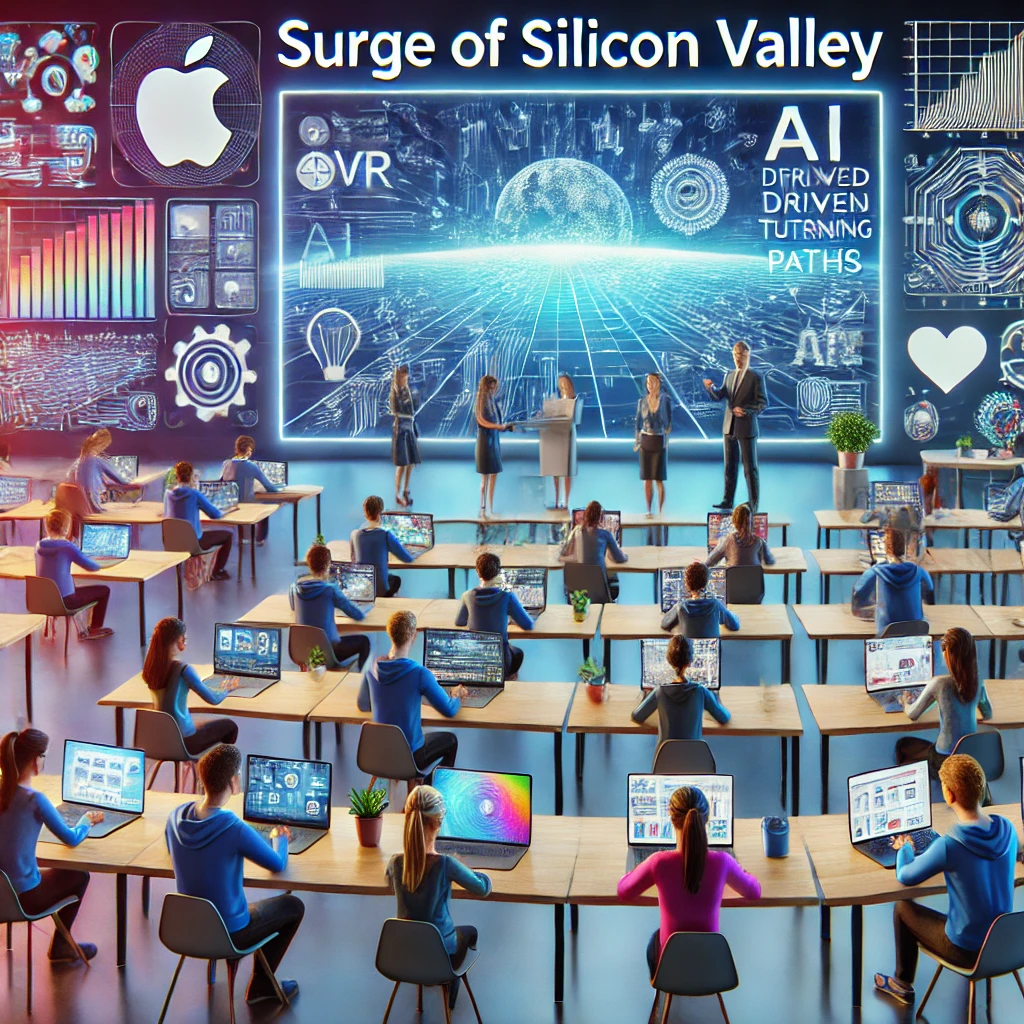
Silicon Valley, known for its vibrant tech ecosystem and innovative spirit, has long been a hub for technological advancements. In recent years, one area that has seen remarkable growth is digital education tools. As the world increasingly embraces online learning, Silicon Valley startups are at the forefront, developing cutting-edge technologies that are transforming education. This article explores the surge of Silicon Valley in digital education tools, highlighting key innovations and startups that are shaping the future of learning.
The Evolution of Digital Education
From Chalkboards to Digital Platforms
The evolution of education from traditional methods to digital platforms has been a gradual but significant shift. Early digital tools focused on supplementing classroom learning with resources like e-books and online quizzes. However, the advent of high-speed internet, artificial intelligence (AI), and virtual reality (VR) has revolutionized the landscape, making education more accessible, engaging, and personalized.
The Role of Silicon Valley
Silicon Valley has played a pivotal role in this transformation. With its culture of innovation and access to venture capital, the region has become a breeding ground for startups dedicated to improving education through technology. These companies are not just creating tools; they are reimagining how education can be delivered and experienced.
Key Innovations in Digital Education Tools
Personalized Learning Experiences
One of the most significant advancements in digital education is the ability to personalize learning experiences. Startups like DreamBox Learning and Knewton are leveraging AI to create adaptive learning platforms that cater to individual student needs. These platforms analyze student performance and adjust the difficulty of content in real-time, ensuring that each learner progresses at their own pace.
Gamification of Learning
Gamification is another trend gaining traction in digital education. Companies like Kahoot! and Duolingo use game-like elements to make learning fun and engaging. These platforms incorporate points, badges, and leaderboards to motivate students, transforming education into an interactive and enjoyable experience.
Virtual and Augmented Reality
Virtual and augmented reality (VR and AR) are also making their mark in the education sector. Startups such as zSpace and Nearpod are developing VR and AR tools that allow students to explore immersive environments and interact with 3D models. This technology is particularly beneficial for subjects like science and history, where students can virtually dissect a frog or tour ancient civilizations.

Notable Startups Leading the Way
Coursera
Coursera is a prime example of a Silicon Valley startup that has revolutionized digital education. Founded by Stanford professors, Coursera offers online courses, certifications, and degrees from top universities and companies worldwide. Its platform provides high-quality education to millions of learners, breaking down geographical barriers and making education more accessible.
Khan Academy
Khan Academy is another trailblazer in the digital education space. This non-profit organization offers free online courses and resources for students of all ages. With its mission to provide a world-class education for anyone, anywhere, Khan Academy has become a global leader in online learning.
Udacity
Udacity specializes in nanodegrees and courses focused on technology and career development. Partnering with industry giants like Google and Amazon, Udacity offers practical, hands-on learning experiences designed to equip students with the skills needed for the modern workforce. Its emphasis on real-world applications sets it apart from traditional education models.
Edmodo
Edmodo is a social learning platform that connects teachers, students, and parents. It provides a collaborative space where educators can share resources, assign homework, and track student progress. Edmodo’s user-friendly interface and comprehensive features make it a popular choice for schools looking to enhance their digital education offerings.
The Impact of Digital Education Tools
Bridging the Education Gap
One of the most profound impacts of digital education tools is their ability to bridge the education gap. By providing access to high-quality resources and personalized learning experiences, these tools are leveling the playing field for students worldwide. Regardless of location or socioeconomic status, learners can now access top-tier education.
Enhancing Teacher Effectiveness
Digital tools are not just beneficial for students; they also enhance teacher effectiveness. Platforms like Google Classroom and EdTech products enable educators to streamline administrative tasks, freeing up more time for instruction. Additionally, data analytics tools provide insights into student performance, helping teachers tailor their teaching strategies.
Preparing Students for the Future
As technology continues to evolve, it is essential to prepare students for the future workforce. Digital education tools equip learners with critical skills such as coding, data analysis, and digital literacy. Startups like Tynker and Codecademy offer interactive coding courses for students of all ages, ensuring that the next generation is tech-savvy and ready to tackle future challenges.
Challenges and Considerations
Accessibility and Equity
While digital education tools offer numerous benefits, ensuring accessibility and equity remains a challenge. Not all students have access to reliable internet or devices, which can exacerbate existing inequalities. It is crucial for policymakers and educators to address these issues and work towards inclusive solutions.
Data Privacy and Security
With the rise of digital education, data privacy and security have become paramount concerns. Startups and educational institutions must prioritize protecting student data and adhering to privacy regulations. Transparent data practices and robust security measures are essential to maintaining trust and safeguarding sensitive information.
The Future of Digital Education
Continued Innovation
The future of digital education looks promising, with continued innovation on the horizon. Emerging technologies such as artificial intelligence, blockchain, and machine learning hold the potential to further transform education. These advancements will likely lead to even more personalized and efficient learning experiences.
Collaboration and Integration
Collaboration between tech companies, educators, and policymakers will be key to the continued success of digital education. By working together, these stakeholders can develop integrated solutions that address the diverse needs of learners. Partnerships with educational institutions can also drive the adoption of new technologies and ensure they are effectively implemented.
Conclusion
Silicon Valley’s surge in digital education tools is reshaping the way we learn and teach. From personalized learning platforms to immersive VR experiences, startups in the region are at the forefront of educational innovation. As these technologies continue to evolve, they promise to make education more accessible, engaging, and effective for learners around the world. The future of education is bright, and Silicon Valley will undoubtedly play a significant role in its ongoing transformation.