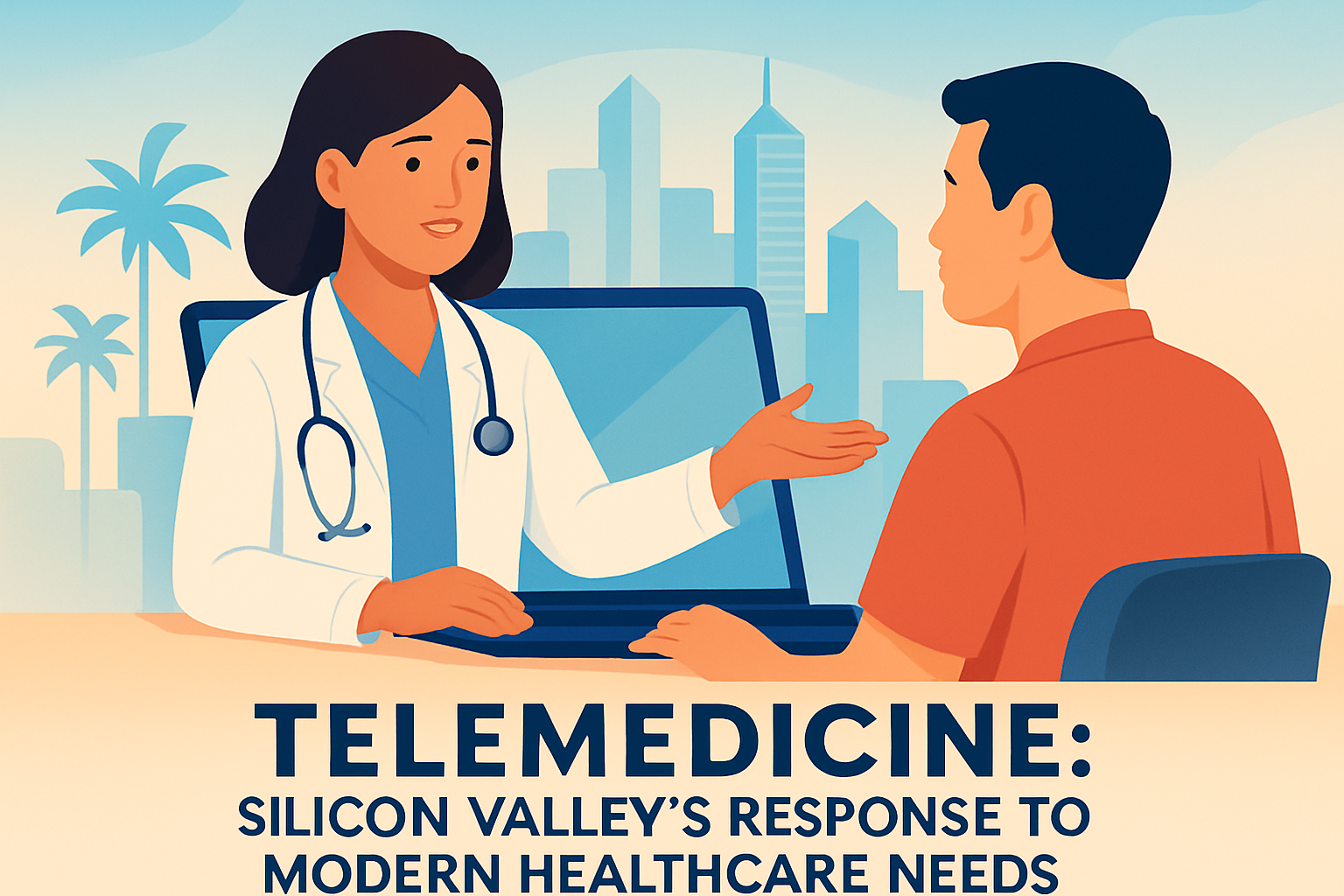
In today’s fast-paced world, healthcare needs are evolving at an unprecedented speed. As populations grow, the demand for convenient, efficient, and high-quality medical care becomes more urgent. This demand has catalyzed the development and integration of telemedicine. Telemedicine, a fusion of telecommunication and healthcare, enables remote diagnosis and treatment of patients through digital platforms. By leveraging technology, it reduces the geographical gap between healthcare providers and patients, making medical services accessible to more people.
Silicon Valley, known for its technological innovations, has played a pivotal role in the advancement of telemedicine. Home to countless tech giants and startups, the region has spearheaded the creation of platforms and applications that transform how we access and receive healthcare. Telemedicine matters because it addresses some of the biggest challenges in modern healthcare: accessibility, cost, and efficiency. The integration of digital technologies into healthcare systems not only provides timely medical support but also revolutionizes patient engagement, potentially improving overall health outcomes.
Revolutionizing Patient Access through Telemedicine Platforms
The crux of telemedicine lies in enhancing patient access to healthcare services. Previously, patients in rural or underserved areas faced significant challenges in reaching healthcare facilities. With telemedicine, these barriers are being dismantled, allowing individuals to consult with medical professionals from the comfort of their homes. One real-world example of this is the platform, Teladoc. Teladoc offers virtual consultations with a network of qualified healthcare professionals, reducing the necessity for physical travel and cutting down wait times.
Teladoc exemplifies how telemedicine can significantly enhance accessibility. By offering an array of services including general medicine consultations, mental health therapy, and dermatology care, patients have round-the-clock access to expert medical advice and treatment plans. Furthermore, the convenience of telemedicine ensures that medical care is just a few clicks away, thereby encouraging more frequent consultations and early interventions.
Cost-Effectiveness and Efficiency in Healthcare Delivery
Healthcare costs are a major concern for patients and providers alike. Telemedicine has emerged as a cost-effective solution by eliminating numerous overhead expenses associated with traditional healthcare systems. For instance, operating physical healthcare facilities comes with considerable costs, from maintaining infrastructure to staffing. Telemedicine mitigates these costs by reducing the need for large physical spaces and offering flexible scheduling for healthcare providers.
Consider the example of Doctor on Demand, a popular telemedicine service specializing in affordable healthcare delivery. Patients using Doctor on Demand can consult with physicians for a fraction of the cost compared to conventional office visits. By streamlining appointments and minimizing travel and waiting time, both patients and healthcare providers can experience significant cost savings. These reductions in cost translate to increased efficiency, allowing doctors to handle more cases effectively and focus on patient care rather than administrative burdens.
Enhancing Patient Engagement and Health Outcomes
One of the transformative impacts of telemedicine is its ability to enhance patient engagement. By utilizing digital interfaces, telemedicine services can create more engaged and informed patients who actively participate in their healthcare journeys. A vital component of this engagement is digital health tracking, which allows patients to monitor their health metrics regularly, promoting more proactive management of chronic conditions.
Healthtap, another telemedicine innovation from Silicon Valley, demonstrates this benefit effectively. Through Healthtap, patients can access advice from doctors, create personalized health plans, and track their progress on mobile applications. This increased engagement enhances patient understanding of their health conditions and empowers them to make informed decisions. As a result, patients often experience improved health outcomes, as they become more active participants in their treatment plans.
| Telemedicine Platform | Key Service | Benefit to Patients |
|---|---|---|
| Teladoc | Virtual Consultations | Enhances Accessibility |
| Doctor on Demand | Affordable Care | Cost-Effective Solutions |
| Healthtap | Digital Health Tracking | Increases Patient Engagement |
Technological Innovations and Silicon Valley’s Role
The technological advancements fuelling telemedicine owe much to Silicon Valley’s pioneering spirit. The region’s culture of innovation, coupled with substantial investment in tech startups, continues to drive the exploration and adoption of groundbreaking healthcare solutions. The convergence of artificial intelligence, machine learning, and data analytics into telemedicine platforms has enhanced diagnostic accuracy and personalized patient care.
A prime example is the application of AI in platforms like K Health, which uses AI algorithms to provide users with personalized insights based on data from millions of similar cases. This use of big data and machine learning allows doctors to offer precise diagnoses and treatment plans, thereby optimizing patient outcomes. Silicon Valley’s tech environment remains at the forefront of these innovations, constantly pushing the boundaries of what is possible in telemedicine.
Addressing Security Concerns and Ensuring Patient Privacy
With the rapid digitalization of healthcare, patient data security and privacy have become paramount. Telemedicine platforms must rigorously adhere to data protection regulations to safeguard sensitive information. Silicon Valley companies are acutely aware of these concerns and have integrated robust cybersecurity measures into their platforms.
For instance, Amwell, a telemedicine service provider, uses advanced encryption protocols and multi-factor authentication to ensure the confidentiality of patient data. The service complies with the Health Insurance Portability and Accountability Act (HIPAA), guaranteeing that users’ personal health information remains secure. By prioritizing these measures, telemedicine platforms build trust and confidence in their services, culminating in wider adoption and acceptance among patients.
Overcoming Challenges and Future Prospects
Despite its immense potential, telemedicine faces several challenges that need addressing for future growth. These include regulatory hurdles, disparities in digital literacy among patients, and limited access to high-speed internet in certain areas. Solutions are emerging, however, as Silicon Valley companies collaborate with policymakers and healthcare institutions to streamline regulations and provide educational resources.
Looking ahead, the future of telemedicine is promising. The integration of 5G technology is poised to enhance connectivity, allowing for seamless video consultations and unrestrained sharing of high-resolution medical images. As technology advances, the scope of telemedicine will likely expand, encompassing fields such as virtual reality-based therapies and remote surgical procedures. As these capabilities unfold, Silicon Valley will continue to serve as a driving force in revolutionizing healthcare delivery worldwide.
Conclusion: Embracing the Future of Telemedicine
Telemedicine represents a pivotal shift in how healthcare is delivered and received, offering solutions to some of the most pressing challenges faced by modern healthcare systems. By prioritizing accessibility, cost-effectiveness, patient engagement, and robust security measures, telemedicine leverages technological innovations to redefine patient care. Silicon Valley’s contributions, with its rich ecosystem of tech advancements, provide a template for ongoing innovation in this field.
As telemedicine continues to evolve, it is essential for patients, healthcare providers, and policymakers to embrace this technology and work collaboratively to address its challenges. By doing so, we can unlock its full potential, resulting in a healthcare system that is more responsive, inclusive, and efficient. For those yet to explore telemedicine, now is the time to consider integrating these services into your healthcare routine, taking an active role in shaping the future of healthcare. The journey toward a more connected and healthier society is just beginning.
Frequently Asked Questions
What is telemedicine and how does it work?
Telemedicine is a revolutionary approach to healthcare that merges the worlds of telecommunication and medical services to create a seamless, digital healthcare experience. At its core, telemedicine allows patients to consult with healthcare professionals remotely, using digital communication tools such as video conferencing, phone calls, and chat platforms. This means that medical consultations, diagnoses, and even certain treatments can occur without the need for a patient to be physically present in a doctor’s office or hospital.
The process typically begins when a patient decides to seek medical advice or assistance and schedules an appointment via a telemedicine platform. At the designated time, the patient and healthcare provider connect through the platform, allowing the patient to discuss symptoms, medical history, and concerns just as they would during an in-person visit. The provider can then offer advice, diagnostic insights, prescribe medications, or recommend further tests if necessary.
This system is particularly advantageous for non-emergency conditions, chronic disease management, follow-up appointments, and mental health counseling, as it saves time for both patients and providers, and circumvents logistical barriers such as distance and transportation.
What are the key benefits of telemedicine for patients?
Telemedicine offers a plethora of benefits aimed at enhancing patient experiences and outcomes. First and foremost, it significantly improves accessibility. Patients who live in remote or underserved areas often face enormous challenges in accessing timely and quality medical care. Telemedicine bridges this gap, bringing healthcare services directly into their homes, wherever they may be located.
Additionally, telemedicine is a game-changer in terms of convenience. Many patients find it difficult to take time off work, manage childcare, or navigate transportation for in-person appointments. With telemedicine, they can schedule appointments that fit their busy lives, often with reduced wait times as compared to traditional visits.
Moreover, patients with chronic conditions benefit greatly from telemedicine’s ability to facilitate continuous monitoring and routine check-ups, without the need to frequently travel to clinics or hospitals. This continuous connection to healthcare providers allows for better management of their conditions and can alert providers to any potential complications more swiftly.
Telemedicine also provides a sense of empowerment to patients, as they can choose from a wider pool of specialists, regardless of location, potentially improving the quality of care they receive.
How does telemedicine benefit healthcare providers and institutions?
For healthcare providers, telemedicine represents an opportunity to extend their reach and improve their efficiency. It allows providers to see more patients in a day than they might typically be able to in-person, enhancing their ability to deliver care to a larger number of people without the constraints of physical space.
Moreover, telemedicine can help reduce overhead costs for healthcare institutions. Fewer in-person visits mean less need for physical office space, waiting room accommodations, and support staff. This cost-saving can be significant, especially for practices just starting or looking to expand their services without heavy investments in physical infrastructure.
The integration of telemedicine also contributes to improved workflow and time management for healthcare staff. Providers can streamline appointments, quickly follow up on patient progress, and have greater control over their schedules, potentially leading to reduced burnout and better work-life balance.
Furthermore, telemedicine platforms often come equipped with digital tools that facilitate better documentation, billing, and coordination with other healthcare professionals, thereby improving operational efficiencies and communication networks within healthcare systems.
Are there any limitations or challenges associated with telemedicine?
Despite the numerous advantages, telemedicine does come with its set of challenges and limitations that both patients and providers need to be aware of. One of the primary concerns is the digital divide—patients without access to reliable internet or smart devices may find it difficult to use telemedicine services effectively, potentially exacerbating health disparities.
Additionally, certain medical situations and emergencies inherently demand in-person evaluations and interventions, such as physical examinations, imaging, or surgeries, which cannot be conducted or replicated through a telemedicine platform. This limitation necessitates a clear framework for determining which consultations are appropriate for telemedicine and which are not.
Moreover, privacy and security are critical issues, as telemedicine involves the transmission of sensitive health information over digital networks. While many platforms employ top-tier encryption and security measures, there’s always a risk of data breaches, requiring ongoing vigilance and adherence to regulations such as HIPAA in the U.S.
Healthcare providers may also face challenges related to licensure and reimbursement policies that vary widely between regions and insurance providers, which can complicate the implementation and scaling of telemedicine services. Continuous updates in policy, technology training, and infrastructure are crucial to overcoming these barriers.
How is Silicon Valley driving the innovation and adoption of telemedicine?
Silicon Valley, renowned as the epicenter of technological innovation, plays a seminal role in the development and adoption of telemedicine. Companies in this region are pioneering advancements in digital health platforms, artificial intelligence, and data analytics that are core to the advancement of telemedicine services.
Startups and established tech giants alike are investing heavily in creating intuitive, patient-friendly telemedicine interfaces that provide seamless communication and integration with existing electronic health records systems. These innovations allow healthcare providers to deliver personalized, data-driven care while also enhancing patient engagement and satisfaction.
Silicon Valley’s influence is further seen in its drive to improve wearable technology and IoT devices, which are becoming increasingly popular in remote patient monitoring. These devices can track a range of health indicators, providing essential data that helps clinicians make informed decisions without the patient needing to be present.
Furthermore, the region’s emphasis on agile development and consumer-centric design ensures that telemedicine solutions are continually evolving to meet both provider and patient needs, adapting swiftly to the fast-changing healthcare landscape.
This synergy between technology and healthcare, fostered largely by the innovative spirit of Silicon Valley, is crucial in realizing the full potential of telemedicine as a solution to modern healthcare challenges.