Introduction to Silicon Valley Tech and Modern Art
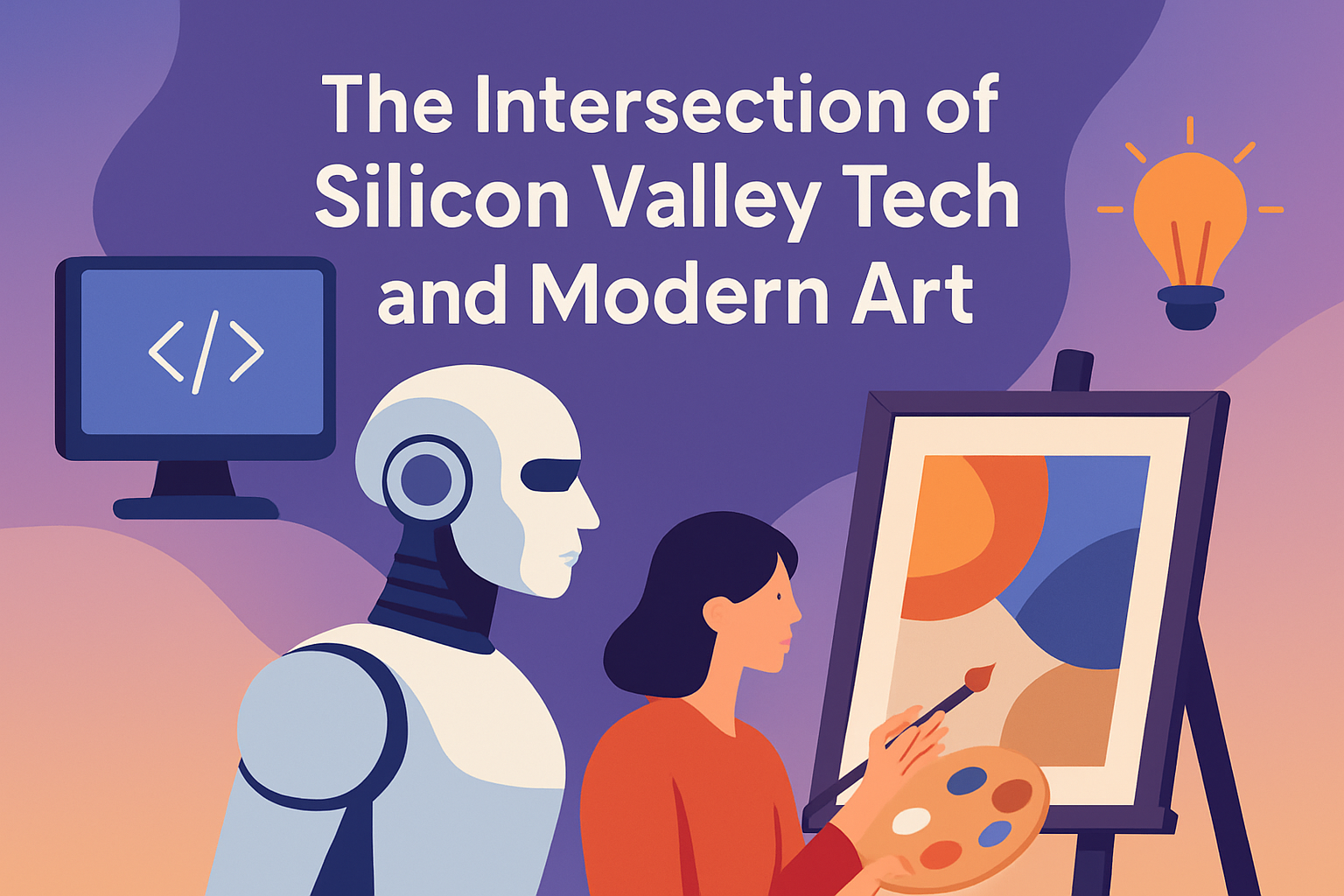
In the bustling world of innovation, Silicon Valley stands as an epitome of technical advancements and groundbreaking ideas. Conversely, modern art is evolving through avant-garde approaches and media. At the intersection of these two dynamic fields lies a fascinating synergy that has cultivated a new frontier for creativity and expression. This intermingling of technological prowess with artistic vision is not merely an academic exercise; it is reshaping industries, influencing cultural trends, and redefining the boundaries of both art and technology. Understanding the confluence of Silicon Valley tech and modern art is essential because it underscores the potential for these sectors to collaborate in solving complex problems, inspiring innovation, and enhancing the quality of human experiences. As we delve into this intriguing junction, we will examine how technology drives new art forms and how art reciprocally influences technological development.
The Role of Technology in Modern Art
Technology has considerably expanded the toolkit available to artists, enabling them to experiment with novel forms, materials, and concepts. Digital art, for instance, leverages computer software as a fundamental medium of expression. This has given rise to forms of art that are inherently interactive and dynamic, such as virtual reality (VR) art installations that transport viewers to entirely new immersive environments. A notable example is the VR art piece “Tree” by New Reality Company, which allows individuals to experience the life cycle of a rainforest tree through immersive technology. Here, technology blurs the line between creator and observer, providing an experience that couples visual artistry with environmental activism.
Beyond VR, algorithmic and generative art forms use computer algorithms to autonomously generate artwork, often yielding unpredictable and strikingly complex visuals. Notable artists like Refik Anadol harness data-driven processes, using neural networks to produce mesmerizing installations that seem to pulse with life. These artworks use Silicon Valley’s powerful computing resources to handle large data sets and execute complex algorithms providing a new narrative that traditional art forms cannot achieve.
Modern Art Influencing Technological Innovation
Modern art’s influence on technological innovation is equally pronounced, inspiring and guiding the development of new technologies. Art often challenges the status quo and serves as a catalyst for innovative thinking. An example of this is the development of augmented reality (AR) apps. These apps are inspired by attempts to overlay imaginative digital creativity onto the everyday world, a trend initially popularized by interactive modern art installations. Google’s Tilt Brush, an app that allows users to paint in 3D space with the use of a VR headset, exemplifies this intersection, providing artists a tool to create vivid, immersive paintings that push the boundaries of traditional artistic techniques.
Another fascinating realm is the influence of art on user experience (UX) design in technology. Many tech firms employ artists and designers to envision interfaces that are not only functional but also aesthetically engaging and meaningful. By drawing on principles of modern art, including color theory and compositional balance, these interface designs contribute significantly to creating intuitive and visually appealing environments that enhance user interaction.
Case Studies of Silicon Valley and Modern Art Collaborations
Numerous collaborations perfectly illustrate the intersection between Silicon Valley and modern art, generating groundbreaking outcomes. One such example is the collaboration between Google Arts & Culture and various museums worldwide, which digitizes precious art collections, making them accessible globally. This initiative democratizes access to art, dissolving geographical barriers and enabling art enthusiasts to experience high-resolution artworks on their devices, introducing modern art to a broader audience than ever before.
Another noteworthy case is the collaboration between Apple and contemporary artist Nick Cave in the development of sound suits. This endeavor involves using advanced sound integration technologies provided by Apple to enrich the multi-sensory art experience created by Nick Cave. Such partnerships not only elevate the profile of the artists involved but also demonstrate the capability of Silicon Valley’s tech corporations to inspire and support new artistic paradigms.
The Future Possibilities and Challenges at the Tech-Art Intersection
As technology continues to advance, future possibilities for integration with modern art are virtually limitless. Fields like artificial intelligence (AI) hold immense potential, promising unprecedented methods for creating art. Artists can use AI to analyze and interpret vast datasets, offering new insights and inspirations for artistic creations. The emerging field of AI-generated art demonstrates how algorithms can assist artists in exploring novel styles and concepts, while also posing ethical questions about authorship and originality in art.
Despite these opportunities, challenges persist. One primary concern is the digital divide, which can restrict access to these technologically intensive art forms. Furthermore, the commercialization of art enhanced by Silicon Valley technology raises questions about exclusivity and authenticity, as computing costs and expertise required may limit these creations to affluent individuals or institutions. Addressing these concerns is essential to ensure that technological advancements in art are inclusive and enrich the broader cultural landscape.
| Aspect | Modern Art | Silicon Valley Tech | Intersection |
|---|---|---|---|
| Tools and Mediums | Traditional, physical materials | Digital, software-based tools | VR, AR, AI-enhanced mediums |
| Accessibility | Museum and gallery audiences | Global digital community | Online art galleries and exhibits |
| Influence | Challenges societal norms | Challenges technological boundaries | Inspires novel approaches and innovations |
| Key Collaborations | Museum collections | Software and Hardware Companies | Collaborative art platforms and projects |
Conclusion: Embracing the Intersection of Tech and Art
In conclusion, the intersection of Silicon Valley tech and modern art offers a fertile ground for groundbreaking innovation and new cultural dialogues. This marriage of disciplines provides tools and platforms for artists to expand their creative expressions and challenges technologists to rethink the way they approach innovation, prioritizing aesthetics and human experiences alongside functionality. Key takeaways include the understanding that while technology can amplify and transform modern art, art can also redefine the scope of technological advancements, leading to more holistic and inclusive designs. Moving forward, fostering cross-disciplinary collaborations will be vital in pushing the boundaries of what both fields can achieve. As consumers and creators, the next step is to actively engage with and support initiatives at the frontline of this intersection, encouraging a culture where technology and art grow symbiotically.
Whether through participating in digital art exhibitions or promoting educational initiatives that integrate art with technology, there are numerous ways to enrich this evolving relationship. Embrace the curiosity that arises from the unexpected harmony between technical and artistic realms, for it is this curiosity that drives innovation and progress. Thus, by valuing both the artistic and the scientific perspectives, we can collectively cultivate a future where technology and art coexist and enrich each other’s potential, leading to a more connected and creatively enhanced world.
Frequently Asked Questions
1. How does technology influence modern art in Silicon Valley?
In Silicon Valley, technology is not just a tool but also a key driver influencing the essence and evolution of modern art. Artists harness the power of digital tools, software, and even artificial intelligence to explore new creative territories. This is evident in digital art forms such as virtual reality experiences, generative art produced by algorithms, and interactive installations that incorporate sensors and robotics. Additionally, technology facilitates global collaboration, allowing artists from different parts of the world to work together in real-time, share their creative processes, and access a wider audience through online platforms. The convergence of technology and art has led to an explosion of creativity that challenges traditional art forms and opens up new possibilities for artistic expression.
2. What role do tech companies play in the intersection of Silicon Valley tech and modern art?
Tech companies in Silicon Valley have become significant patrons and collaborators in the modern art scene. Many tech firms actively support art institutions, sponsor art festivals, and provide platforms for artists to showcase their work. These companies often integrate art into their corporate spaces, commissioning installations or developing innovative art solutions that reflect their brand values and culture. Beyond financial support, tech companies also provide artists access to cutting-edge technology and resources, such as sophisticated software, hardware, and data analytics tools. This symbiotic relationship benefits both parties—artists gain access to new tools and perspectives, while companies benefit from the creativity and innovation that artists bring to the table.
3. Can you provide examples of projects or artworks that exemplify the intersection of tech and art?
One striking example is “Rain Room” by Random International, an installation that uses sensors and water to create a simulated rainfall environment that visitors can walk through without getting wet. The technological aspect of this piece is the sophisticated sensor technology that controls water flow around visitors, creating an immersive and dynamic artwork. Another example is Refik Anadol’s data-driven installations that transform vast amounts of data into stunning visual displays. His work “Melting Memories,” for instance, uses EEG data from the brain to create abstract representations of memory processes, blending art with neuroscience and technology. These projects exemplify how technology not only serves as a medium but also expands the conceptual boundaries of modern art.
4. How does the collaboration between technologists and artists typically occur?
Collaborations between technologists and artists often begin with a shared vision or a specific project that requires expertise from both fields. This can happen organically, through professional networks, or more formally through organized art residencies and interdisciplinary workshops. During collaborations, artists bring their creative insights and cultural critique, while technologists provide technical knowledge and innovation. The process is highly iterative, with plenty of dialogue and experimentation, allowing both sides to learn from one another. Often, technology-centric companies host artist residencies, providing artists access to state-of-the-art resources and tech mentorship, which in turn inspires the tech community by infusing creativity and new thought processes into their environment.
5. What impact does the intersection of technology and modern art have on society?
The intersection of technology and modern art significantly influences society by reshaping our understanding and interaction with both art and technology. It challenges conventional ideas about what art can be, making it more accessible, engaging, and interactive. This fusion encourages critical thinking and innovation, promoting a culture that values creativity and technological progress concomitantly. Furthermore, it democratizes art by introducing digital platforms that enable broader participation and appreciation from audiences worldwide. This intersection also raises important ethical and philosophical questions regarding technological advancement, prompting society to contemplate the implications of AI, the role of humans in creation, and the future of cultural expression. Ultimately, it fosters a dialogue that bridges the gap between art, technology, and human experience, encouraging inclusive growth and a deeper understanding of the world we live in.