The world of food delivery has seen unprecedented shifts over the past few years, thanks to rapid technological advancements and evolving consumer preferences. Silicon Valley, a hotbed for innovation, has been at the forefront of these changes, spearheading new trends and setting the stage for what the future holds. As we dive deeper into the insights from Silicon Valley, we uncover how technology is redefining the way we understand food delivery, the challenges that lie ahead, and the potential transformations that could reshape the industry entirely. With an emphasis on artificial intelligence, autonomous vehicles, drone technology, and sustainability, the future of food delivery promises to be vastly different from what we know today. This article explores these exciting developments and examines how they are poised to revolutionize the industry in the years to come.
Emergence of AI-Powered Food Delivery Services
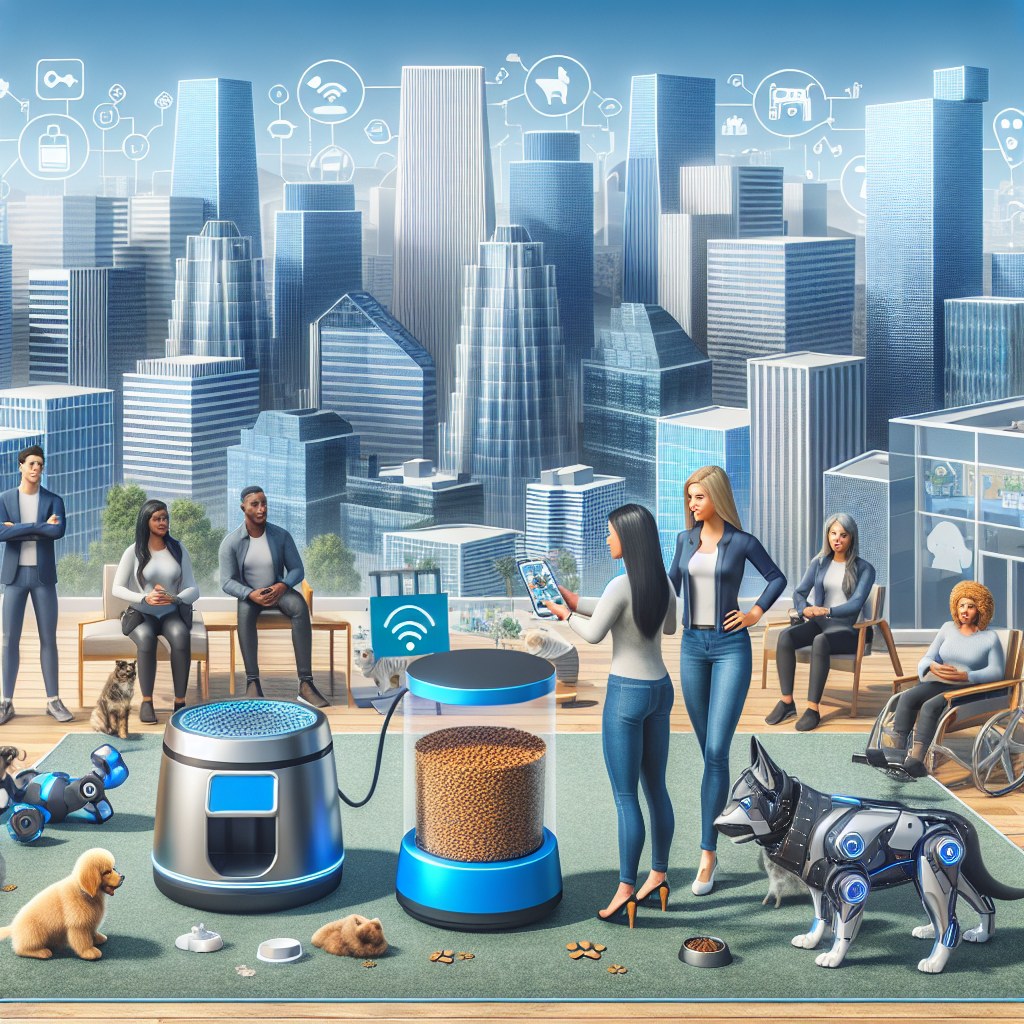
Artificial intelligence (AI) has become a critical driver of innovation in the food delivery sector. In Silicon Valley, companies are leveraging AI to streamline operations, improve user experience, and enhance customer satisfaction. AI algorithms are being deployed to analyze consumer behavior, predict demand, and optimize delivery routes. These algorithms help delivery services reduce wait times, ensure food quality, and minimize operational costs. By assessing traffic patterns, AI can suggest the most efficient routes for drivers, thus reducing delivery times. Moreover, AI’s predictive capabilities allow businesses to anticipate customer needs, ensuring that restaurants can prepare meals efficiently and timely, ultimately enhancing the overall consumer experience.
Automation and Robot Deliveries
Automation in food delivery is emerging as a game-changer, with robots and autonomous vehicles taking center stage. Companies in Silicon Valley are experimenting with robots for last-mile deliveries. These robots are equipped with sophisticated sensors and navigation systems, enabling them to traverse sidewalks and streets safely. Apart from reducing labor costs, robot deliveries offer a contactless delivery option—a feature that gained significant traction during the pandemic. While challenges remain, particularly regarding regulatory approvals and infrastructure adaptation, the potential benefits of autonomous delivery are too substantial for Silicon Valley innovators to ignore. Overcoming these hurdles could revolutionize delivery logistics, making them safer, faster, and more cost-effective.
Drone Deliveries: Taking to the Skies
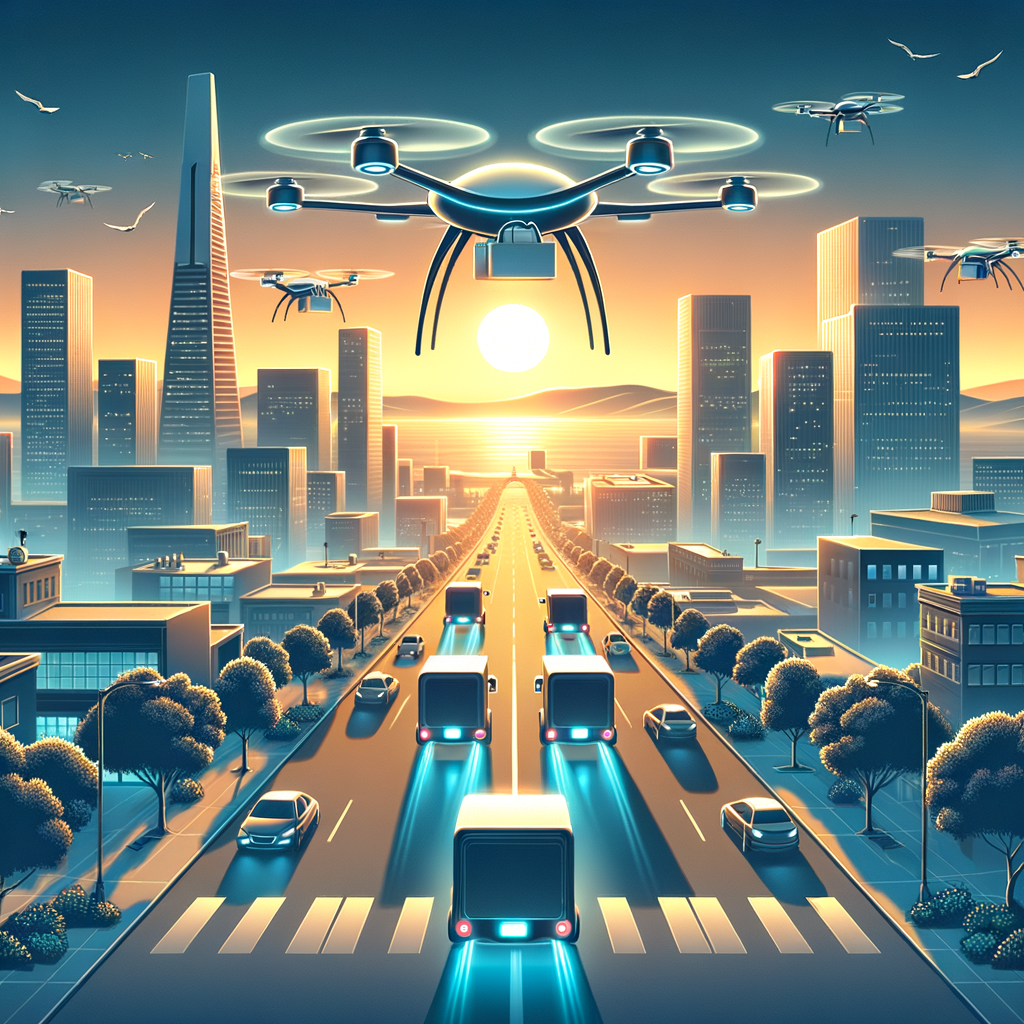
Drones are another technological leap that Silicon Valley firms are experimenting with to revolutionize food delivery. By bypassing traffic and utilizing aerial routes, drones can significantly reduce delivery times, especially in densely populated urban areas. Companies are actively working to address issues such as air traffic management, safety measures, and regulatory compliance to make drone deliveries a reality. While the infrastructure and regulatory framework are still evolving, the potential for drones to enhance delivery efficiency is undeniable. The convenience, speed, and novelty aspect of drone deliveries could set a new standard in customer expectations, pushing the boundaries of what’s possible in food logistics.
Personalization and Customization through Data Analytics
The age of personalization has reached the food delivery industry, thanks to advancements in data analytics. Companies in Silicon Valley are focusing on harnessing customer data to provide tailored recommendations and enhance user satisfaction. By analyzing purchase histories, dietary preferences, and even social media activity, delivery platforms can offer personalized meal suggestions. This data-driven approach not only improves customer satisfaction but also enables restaurants to optimize their menus and pricing strategies. As data analytics becomes more refined, the ability to provide hyper-personalized services will likely distinguish successful delivery platforms from their competitors.
The Rise of Virtual Restaurants and Cloud Kitchens
Virtual restaurants and cloud kitchens are gaining traction in Silicon Valley as cost-effective means to meet the surge in delivery demand. Freed from the constraints of physical dining spaces, virtual restaurants operate solely as delivery-only establishments. This model reduces overhead costs and allows for greater menu flexibility. Cloud kitchens, on the other hand, provide shared kitchen spaces for multiple food brands, optimizing resources and fostering innovation in culinary offerings. By reducing costs and enhancing operational efficiency, these models are particularly appealing for start-ups and entrepreneurs looking to explore the food service industry without the high entry barriers.
Focus on Sustainability and Eco-Friendliness
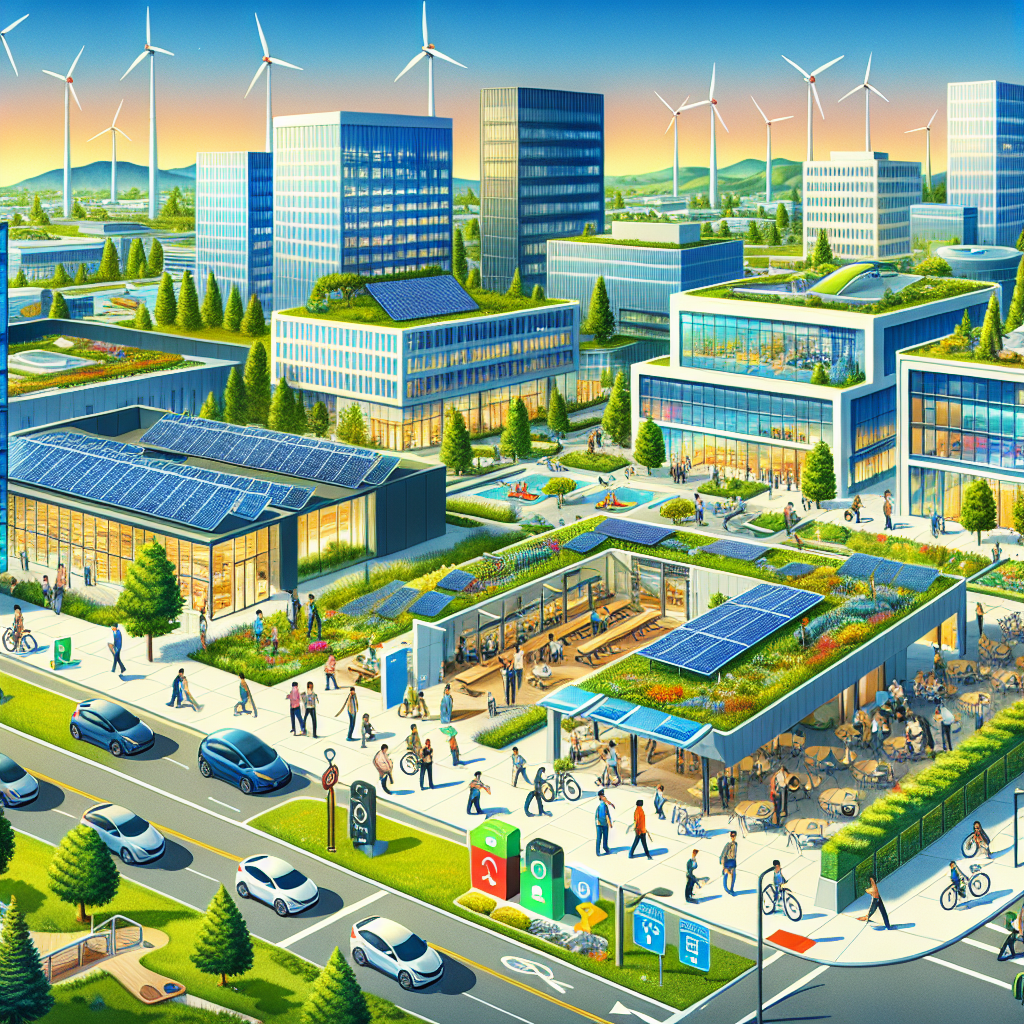
As awareness of environmental issues increases, Silicon Valley companies are placing a stronger emphasis on sustainability within the food delivery ecosystem. Initiatives such as using biodegradable packaging, reducing carbon emissions through efficient route planning, and promoting plant-based menu options are some of the ways the industry is addressing ecological concerns. Furthermore, some companies are exploring partnerships with local farms to source ingredients sustainably, thereby supporting local economies and reducing the carbon footprint associated with ingredient transportation. Sustainability is emerging as not just a trend but a core component of forward-thinking business strategies in food delivery.
Challenges and Opportunities
Despite the promising advancements, the food delivery industry faces several challenges. Regulatory hurdles for autonomous and aerial deliveries remain significant obstacles. Additionally, there’s the complication of maintaining food quality during transit, especially for dishes intended to be served hot. On the other hand, these challenges present opportunities for innovation, as entrepreneurs develop new technologies to enhance food preservation, packaging, and delivery systems. The willingness of Silicon Valley to experiment and adapt forms a hopeful narrative in addressing these issues while paving the way for future advancements. As such, the ongoing dialogue between technology developers, policymakers, and consumers will be crucial in shaping the next era of food delivery.
User Experience and Payment Innovations
The emphasis on improving user experience is relentless in Silicon Valley’s tech-driven environment. Payment innovations such as digital wallets, cryptocurrency, and contactless payment systems are becoming integrated within food delivery platforms, enhancing convenience and security for end-users. Seamless payment processes often result in higher consumer satisfaction and loyalty, making it a key focus area for developers. The evolution of app interfaces, proactive customer support, and engaging ordering experiences are continuously being refined to elevate user interaction with food delivery services. These efforts underscore the importance of a seamless end-to-end experience that fosters customer retention.
A Look Ahead: What Lies in the Future?
As we look ahead, the future of food delivery in Silicon Valley is teeming with potential. Innovations underway will likely change the industry landscape dramatically. With new technologies come opportunities for improved service differentiation and customer loyalty. The integration of AI, automation, drone technology, and sustainable practices will not only redefine operational efficiencies but also set new benchmarks for consumer expectations. The fusion of technology and culinary arts will blossom further, with the potential for new food offerings that leverage advanced cooking technologies. As industries converge, cross-industry collaborations could facilitate completely novel business models and consumer experiences.
Conclusion
The ongoing evolution of food delivery, supported by cutting-edge technology introduced by Silicon Valley innovators, promises to redefine how we access, order, and enjoy food. The embrace of AI, automation, drones, and data analytics heralds a future where convenience, speed, and personalization are at the forefront of consumer experiences. Sustainability and eco-friendliness are increasingly integral to business models, reflecting growing consumer consciousness around environmental issues. Although challenges such as regulation and logistics continue to demand attention, they represent opportunities for growth and improvement within the industry. Ultimately, the drivers of food delivery innovation will continue to align with an overarching goal—to provide seamless, efficient, and delightful dining experiences, no matter the setting. As Silicon Valley steers this transformation, the future of food delivery is poised for an exciting journey, one that will redefine culinary landscapes across the globe.
Frequently Asked Questions
1. How is technology in Silicon Valley shaping the future of food delivery?
Silicon Valley, synonymous with tech innovation, is dramatically reshaping the food delivery landscape. At the heart of this transformation are advancements in artificial intelligence, machine learning, and automation. AI algorithms are being used to predict customer preferences, allowing delivery platforms to offer more personalized experiences. Machine learning helps optimize delivery routes, ensuring faster service and reducing environmental impact by saving on fuel. Automation is not just about using robots to deliver food, but also includes software-driven efficiencies in kitchen operations and inventory management to streamline order preparation and minimize waste.
Moreover, the integration of Internet of Things (IoT) devices offers new dimensions to food delivery. Smart devices can track temperatures during transit, ensuring that food arrives fresh and at the right temperature. Virtual and augmented reality technologies are being experimented with to enhance user engagement, offering interactive menu experiences that go beyond traditional mobile app interfaces.
All these technological advancements, coupled with the innovative entrepreneurial spirit in Silicon Valley, mean that food delivery is becoming faster, smarter, and more efficient than ever before.
2. What consumer trends are influencing the food delivery sector?
Several consumer trends are currently shaping the food delivery industry. One of the most significant is the growing demand for convenience. As consumers lead increasingly hectic lifestyles, the desire for fast, reliable, and easy access to meals is at an all-time high. This perfectly aligns with the on-demand culture fostered by digital platforms.
Sustainability is another emerging trend. More consumers are conscious of their environmental footprint and are looking for delivery options that align with eco-friendly values. This has driven companies in Silicon Valley to innovate in areas like sustainable packaging, carbon-neutral delivery, and plant-based meal options.
Health and wellness trends are also significant. Consumers are increasingly seeking healthier food options—even when ordering takeout. As a result, Silicon Valley food tech companies are developing platforms that can deliver fresh, nutritious meals quickly, catering to this health-conscious market.
3. What are some of the challenges facing the future of food delivery?
While the future of food delivery is promising, there are several challenges that companies will need to address. One of the primary concerns is regulatory complexity. With the increase in food delivery services, cities and states are implementing new regulations around safety, workers’ rights, and environmental impact that companies need to navigate.
Another pressing issue is the sustainability of the business model. Many food delivery companies operate at thin margins and offer substantial discounts to attract customers. Ensuring profitability while expanding services and investing in technology is a tightrope many companies must walk.
Ensuring food quality during delivery is another critical challenge. With longer delivery routes, maintaining food temperature and integrity can be difficult, demanding more sophisticated logistics solutions.
4. How is Silicon Valley addressing food delivery inefficiencies?
Silicon Valley is using advanced technologies to address inefficiencies in the food delivery process. Companies are heavily investing in AI and machine learning to streamline operations from order placement to delivery. Predictive analytics help anticipate demand spikes, allowing for better resource allocation and reducing downtime for delivery drivers.
In logistics, algorithms can determine the most efficient routes for delivery, cutting down on time and fuel costs. This optimization is crucial not only to cut delivery times but also to improve driver efficiency and satisfaction.
There is also a lot of innovation in the area of ghost kitchens—facilities optimized for food delivery, eliminating the need for large physical dining spaces and allowing operators to focus entirely on delivery efficiency.
5. What role do emerging technologies like drones and robots play in food delivery?
Drones and robots are at the forefront of experimental delivery methods being explored in Silicon Valley. These technologies present solutions to overcome traffic congestion and human labor constraints, offering faster and potentially cheaper delivery options.
Drone deliveries have the potential to drastically reduce delivery times, especially in sprawling urban environments where traffic is a significant hindrance. Several companies are piloting drone programs to deliver food, whereas regulation is still catching up with technology.
On the ground, delivery robots are being tested on city sidewalks. These autonomous devices can efficiently transport food from point A to point B in dense city areas, and their popularity is expected to rise as technology advances and regulations become more favorable.
Both drones and robots also boast lower operational costs over time and are a tangible demonstration of how logistics may shift in coming decades, emphasizing efficiency and innovation firsthand.