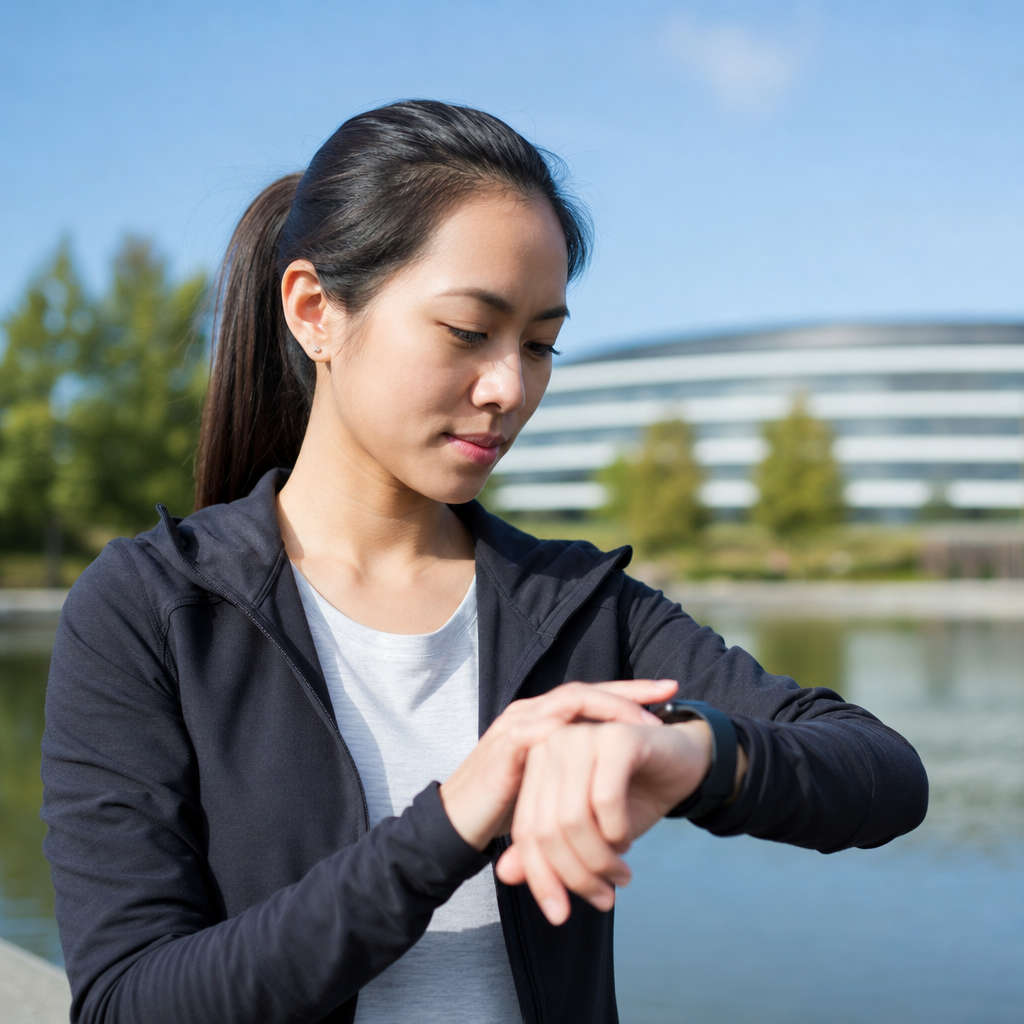
Wearable technology has moved from novelty to infrastructure, and nowhere is that transition easier to study than in Silicon Valley, where engineers, educators, clinicians, and entrepreneurs have spent the past decade turning sensors on the body into tools for learning, health, safety, and productivity. In practical terms, wearable tech includes devices such as smartwatches, fitness bands, smart rings, AR glasses, biosensor patches, and connected clothing that collect data, deliver feedback, or extend human capability in real time. As a hub within Educational Resources focused on Empowering Through Education, this article explains how wearable technology works, what lessons Silicon Valley offers, where it creates measurable value, and what readers should understand before adopting it in classrooms, workplaces, or training programs.
I have worked with teams evaluating smartwatch pilots, AR training modules, and biometric dashboards, and the same pattern appears repeatedly: the educational value of wearables is highest when the device serves a defined learning objective rather than acting as a flashy add-on. A heart-rate monitor can teach exercise science, a smart ring can introduce sleep literacy, and AR glasses can reduce time to competency for technicians by overlaying step-by-step instructions onto equipment. The topic matters because wearable devices now influence how people learn about their bodies, their habits, and their environments. They also shape digital literacy, data ethics, and access to personalized instruction. Understanding the world of wearable tech through Silicon Valley’s educational lens helps readers separate meaningful innovation from marketing and build better learning strategies.
What Wearable Tech Really Means in Education
In education, wearable technology is not limited to student gadgets. It refers to connected devices that support knowledge acquisition, skill development, behavior change, or performance improvement through continuous interaction. The core components are sensors, connectivity, software, and feedback loops. Accelerometers measure movement, photoplethysmography estimates heart rate, gyroscopes track orientation, GPS adds location data, and machine learning models convert raw signals into understandable metrics such as steps, sleep stages, workload, or attention prompts. When educators use these tools effectively, learners gain immediate, contextual feedback instead of waiting for a test score or end-of-week review.
Silicon Valley has influenced this educational model by combining hardware design, cloud platforms, and user experience research. Apple normalized health and activity dashboards on the wrist. Google advanced ambient computing and wearable interfaces through Android ecosystems and smart glasses experiments. Meta, Garmin, Oura, WHOOP, and numerous startups refined specific use cases, from athletic recovery to enterprise training. The lesson from this region is that wearable technology succeeds educationally when it transforms invisible processes into visible signals. A student who sees stress trends during exam periods can learn self-regulation. A nursing trainee using AR guidance can practice procedures more safely. A warehouse worker receiving haptic alerts can learn movement efficiency without interrupting workflow.
Silicon Valley Lessons: Innovation, Iteration, and Evidence
The strongest educational insight from Silicon Valley is that successful wearables are built through repeated iteration around actual user behavior. Early devices often failed because they offered data without interpretation. Better products now pair metrics with coaching, goal setting, and habit design. In pilots I have observed, adoption improved when onboarding included plain-language explanations of what a metric meant, what affected it, and what action a learner could take next. A readiness score, for example, is only useful if users understand sleep debt, recovery, and training load.
Another lesson is that evidence matters. Institutions increasingly ask whether a wearable improves outcomes, not whether it looks innovative. In workplace learning, augmented reality headsets have shown value in remote assistance and procedural training because they shorten error-prone task completion and preserve expert knowledge. In health education, consumer wearables can support engagement, but they do not replace medical diagnostics unless they meet regulated standards. Apple’s ECG feature, for instance, is meaningful because it was validated for specific use, while calorie estimates remain less precise and should be taught as directional rather than absolute. Silicon Valley’s most credible organizations publish validation studies, document limitations, and update algorithms over time.
Key Educational Use Cases Across Schools, Workplaces, and Health
Wearable technology supports Empowering Through Education because it enables learning by doing, reflecting, and adjusting. In K-12 and higher education, teachers use wearables in physical education, neuroscience demonstrations, and data literacy projects. Students can compare resting and active heart rates, explore circadian rhythm patterns, and examine how movement affects focus. The educational benefit is not the device alone; it is the inquiry process built around the device data. When students ask why two classmates show different recovery trends, they begin discussing physiology, environment, and measurement limits.
In workforce development, wearables are especially powerful for technical and safety training. AR glasses can display assembly instructions, inspection checkpoints, or compliance reminders directly in the field of view. This reduces cognitive load by keeping reference material in context. Manufacturing, aviation, logistics, and healthcare have all tested these systems. A new technician can follow digital overlays while an expert monitors remotely, which accelerates skill transfer and reduces mistakes. Haptic wearables also help with ergonomics by nudging workers to correct unsafe posture or repetitive motion patterns.
Health and wellness education is the fastest-growing use case. Smartwatches and rings help users understand sleep consistency, exercise intensity, resting heart rate trends, and recovery signals. These insights can motivate behavior change when presented responsibly. A wearable cannot tell a person everything about their health, but it can support foundational literacy: how alcohol affects sleep quality, how stress raises nighttime heart rate, or how regular walking improves cardiovascular markers. This is one reason universities, employers, and health plans are experimenting with wearable-based education programs.
Choosing the Right Wearable Platform
Selecting a wearable for educational use requires matching the device to the learning goal, audience, and environment. Battery life, comfort, sensor quality, privacy controls, and software integration matter more than flashy features. A smartwatch may be ideal for broad health tracking and app access, while a smart ring works better for passive sleep and recovery monitoring. AR glasses fit procedural learning, but only if the task justifies hands-free guidance and the organization can manage hardware support. Chest straps remain superior for heart-rate accuracy during high-intensity exercise, so they are often better than wrist devices in sports science labs.
| Wearable type | Best educational use | Main strength | Primary limitation |
|---|---|---|---|
| Smartwatch | General wellness, activity learning, notifications | Versatile ecosystem and real-time feedback | Battery life and variable measurement precision |
| Smart ring | Sleep, recovery, habit awareness | Comfort and passive overnight tracking | Limited interface and exercise detail |
| AR glasses | Procedural training, remote guidance | Contextual, hands-free instruction | Cost, fit, and deployment complexity |
| Biosensor patch | Short-term physiological monitoring | High-signal, targeted measurement | Single-purpose use and replacement cost |
Silicon Valley companies often frame platform choice around ecosystem lock-in, but educators should focus on interoperability. Can data export into dashboards? Does the product support Apple Health, Google Health Connect, or a standards-based API? Can administrators manage consent and retention? These questions determine whether a pilot becomes a sustainable program or a dead-end experiment.
Privacy, Data Ethics, and the Limits of Wearable Data
Any serious educational resource on wearable tech must address privacy and ethics directly. Wearables collect intimate data: sleep timing, movement, heart rate, location, and sometimes menstrual or stress-related indicators. That data can be helpful, but it can also be misinterpreted, overshared, or used coercively. In schools and workplaces, informed consent is essential. People should know what is collected, why it is collected, how long it is stored, who can access it, and whether participation is optional. Good programs minimize data collection and avoid tying wellness scores to punishment or performance ranking.
Accuracy is another critical limitation. Consumer wearables are excellent at trend detection but weaker at clinical certainty. Wrist-based heart rate is usually reliable during steady activity but less reliable during rapid motion, skin temperature variation, or poor fit. Sleep staging is estimated through proxies, not measured like a polysomnography lab study. Educational programs should teach this nuance openly. That approach builds trust and helps learners understand the difference between actionable self-tracking and diagnosis. It also prevents the common mistake of treating every dashboard metric as objective truth.
Building an Educational Hub Around Empowerment
As a sub-pillar hub under Educational Resources, this topic should connect readers to practical guidance rather than stop at definitions. An effective hub on Empowering Through Education would branch into articles on wearable tech in classrooms, wearable data privacy, smartwatches for student wellness, AR wearables for vocational training, accessibility benefits, and how to evaluate device accuracy. That structure helps readers move from broad understanding to specific implementation questions. It also reflects how people actually search: first for the big picture, then for product comparisons, policy guidance, and case-based advice.
The core educational principle is empowerment, not surveillance. Wearables are most valuable when they help people understand themselves, make informed choices, and develop skills with confidence. Silicon Valley’s best contributions are not only new devices but the product thinking behind them: shorten feedback loops, design for usability, validate key metrics, and respect user trust. If you are building curriculum, evaluating a pilot, or choosing a device for learning, start with the outcome you want to improve, then select the simplest wearable system that can support it responsibly. Explore the related resources in this hub to turn wearable technology into practical, ethical education.
Frequently Asked Questions
What is wearable technology, and why is Silicon Valley such an important place to study it?
Wearable technology refers to connected devices designed to be worn on the body and used continuously or throughout the day. This category includes smartwatches, fitness bands, smart rings, augmented reality glasses, biosensor patches, hearables, and even smart clothing with embedded sensors. These devices typically collect data, deliver notifications, guide behavior, or support hands-free interaction. What makes wearables especially significant is that they move computing closer to the user’s real-world actions, allowing technology to monitor movement, sleep, heart rate, stress signals, location, posture, or task performance in context rather than in a lab or at a desk.
Silicon Valley is central to the story because it combines the ingredients that allow wearable innovation to move quickly from concept to deployment. Hardware startups, semiconductor companies, software platforms, AI researchers, medical technology teams, venture capital firms, universities, and large consumer tech brands all operate in close proximity. That concentration creates a feedback loop: engineers build devices, developers create applications, clinicians test health use cases, educators study learning outcomes, and businesses explore workplace adoption. As a result, Silicon Valley offers an unusually clear view of how wearables evolve from consumer gadgets into tools for education, healthcare, safety, and productivity.
From an educational perspective, Silicon Valley also demonstrates how wearable tech is shaped by interdisciplinary thinking. A smartwatch is not just a piece of hardware; it is also a data platform, a behavior-change tool, a privacy challenge, a design problem, and often a health or learning interface. Studying wearables in this environment helps readers understand not only what the devices do, but also how ecosystems of sensors, apps, analytics, and user experience design determine whether they create meaningful value.
How are wearable devices being used in education and learning environments?
Wearable devices are increasingly being used to make learning more interactive, personalized, and measurable. In educational settings, smartwatches and bands can support time management, reminders, attendance systems, and wellness tracking for students and staff. AR glasses can overlay instructions, diagrams, or visual prompts directly into a learner’s field of view, which is particularly useful in technical training, laboratory environments, fieldwork, and vocational education. Biosensors and other physiological wearables can also be used in research settings to better understand student attention, fatigue, stress, and engagement during learning tasks.
One of the most promising applications is experiential learning. Instead of reading about a concept in isolation, students can interact with information in real time while performing a task. For example, a trainee learning equipment maintenance could use AR wearables to follow step-by-step visual guidance while keeping both hands free. Medical students can use wearable interfaces during simulation exercises to receive prompts, monitor vital signs, or review procedures in context. In physical education and sports science, wearables help track movement quality, exertion, recovery, and training patterns, giving learners direct feedback tied to their own bodies and performance.
Silicon Valley has been especially influential in advancing these educational use cases because many local companies build the underlying platforms, sensors, and AI systems that make adaptive learning possible. The broader lesson is that wearable tech can extend education beyond the classroom by embedding instruction into work, movement, and daily routines. At the same time, institutions must be thoughtful about data consent, device access, equity, and whether the technology genuinely improves learning outcomes rather than simply adding novelty. When used well, wearables support active learning, real-time feedback, and more personalized educational experiences.
What are the biggest benefits of wearable technology for health, safety, and productivity?
The strongest advantage of wearable technology is continuous, context-aware feedback. Traditional tools often capture information only occasionally, but wearables can collect data across the day, which makes them useful for identifying patterns that users might otherwise miss. In health, that can mean tracking heart rate trends, physical activity, sleep quality, recovery, or stress indicators. For some users, wearables also support medication reminders, fall detection, irregular rhythm alerts, and remote monitoring programs that help clinicians follow patients between appointments. This creates a more proactive model of care, where small warning signs may be noticed earlier.
In safety settings, wearable devices can reduce risk by monitoring environmental conditions, fatigue, location, posture, or exposure to hazards. Connected wearables in industrial or field environments may alert workers when they enter dangerous zones, experience excessive strain, or show signs of heat stress. Smart helmets, patches, and location-aware devices can improve emergency response and accountability in workplaces where real-time information matters. These applications are especially relevant in regions like Silicon Valley, where advanced sensing, edge computing, and enterprise software are often developed together and then adapted for real operational use.
For productivity, wearables help streamline routine actions and reduce friction. A smartwatch can surface relevant notifications without requiring a user to constantly check a phone. Voice-enabled wearables and AR systems can assist technicians, warehouse staff, clinicians, and remote teams by providing information at the moment it is needed. The overall productivity gain is not just speed; it is reduced interruption, improved focus, and more efficient decision-making. The best wearable experiences are subtle and timely, giving users useful support without overwhelming them. That balance is one reason thoughtful design and strong software integration are just as important as the devices themselves.
What challenges and concerns come with the growth of wearable tech?
Despite the promise of wearable devices, several important challenges remain. Privacy is one of the most significant. Because wearables collect highly personal information, including movement patterns, biometrics, location, and health-related signals, users need clear answers about what is being collected, who can access it, how long it is stored, and whether it is shared with third parties. In educational, workplace, and healthcare contexts, these questions become even more sensitive because power dynamics can affect whether participation feels truly voluntary. Transparent policies, informed consent, and strong data governance are essential.
Accuracy and interpretation are also major concerns. Not all wearable metrics are equally reliable, and even high-quality sensor data can be misunderstood if taken out of context. A wearable may estimate sleep stages, calorie burn, stress levels, or readiness scores, but those outputs are often based on models rather than direct measurement. That does not make them useless, but it does mean users and organizations should treat the data as informative rather than absolute unless the device has been clinically validated for a specific purpose. This distinction matters greatly in health and education, where poor interpretation can lead to unnecessary anxiety or bad decisions.
There are also practical issues such as battery life, comfort, long-term adherence, device cost, interoperability, and digital equity. A wearable only provides value if people are willing and able to wear it consistently. If a device is expensive, difficult to charge, awkward to use, or incompatible with other systems, adoption can stall quickly. Silicon Valley often excels at rapid innovation, but long-term success depends on trust, usability, accessibility, and ethical implementation. In other words, the challenge is no longer just building more wearables; it is building wearable systems that are accurate, secure, inclusive, and genuinely helpful.
What should readers look for when evaluating the future of wearable technology?
Readers should pay attention to whether wearable technology is solving a real problem rather than simply adding another screen or stream of notifications. The most meaningful developments tend to improve outcomes in specific areas such as preventive health, guided learning, workplace safety, rehabilitation, communication, or task efficiency. When evaluating new wearable products, it helps to ask practical questions: What data is being captured? How accurate is it? What action does the information support? Is the feedback timely and understandable? Does the device integrate into everyday life without creating unnecessary distraction?
Another important sign of future value is convergence. The next phase of wearable technology is not likely to be defined by one standalone gadget, but by systems that combine sensors, AI, cloud platforms, and personalized software. Silicon Valley has played a major role in this shift, moving the conversation from devices alone to broader ecosystems. For example, a smart ring may track trends, an app may interpret them, and an AI layer may generate recommendations based on behavior over time. Similarly, AR wearables may become more useful as they connect with enterprise workflows, digital twins, remote assistance platforms, and training systems.
Finally, readers should watch how regulation, ethics, and user expectations shape the category. The future of wearables will depend not only on better sensors and smaller chips, but also on whether companies can earn trust. Devices that are secure, transparent, clinically or operationally validated, and designed around real human needs are far more likely to succeed than products driven mainly by hype. Educational insight from Silicon Valley is valuable precisely because it shows both sides of the story: bold innovation and the need for disciplined implementation. The most important lesson is that wearable tech matters most when it becomes quietly useful, dependable, and responsible in everyday life.