Silicon Valley. The name itself conjures images of tech giants, innovative startups, and groundbreaking advances in various domains. This buzzing hive of technological prowess isn’t just about the latest apps or gadgets; it’s also a hub for cutting-edge solutions to real-world problems. One such pressing issue that Silicon Valley is taking head-on is urban transportation. With burgeoning city populations and growing concerns about environmental sustainability, the demand for innovative, sustainable urban transportation solutions has never been higher. Traditional transportation systems, with their heavy reliance on fossil fuels, have proved inadequate and environmentally taxing. Here, Silicon Valley’s approach to sustainable urban transportation technology offers a glimmer of hope.
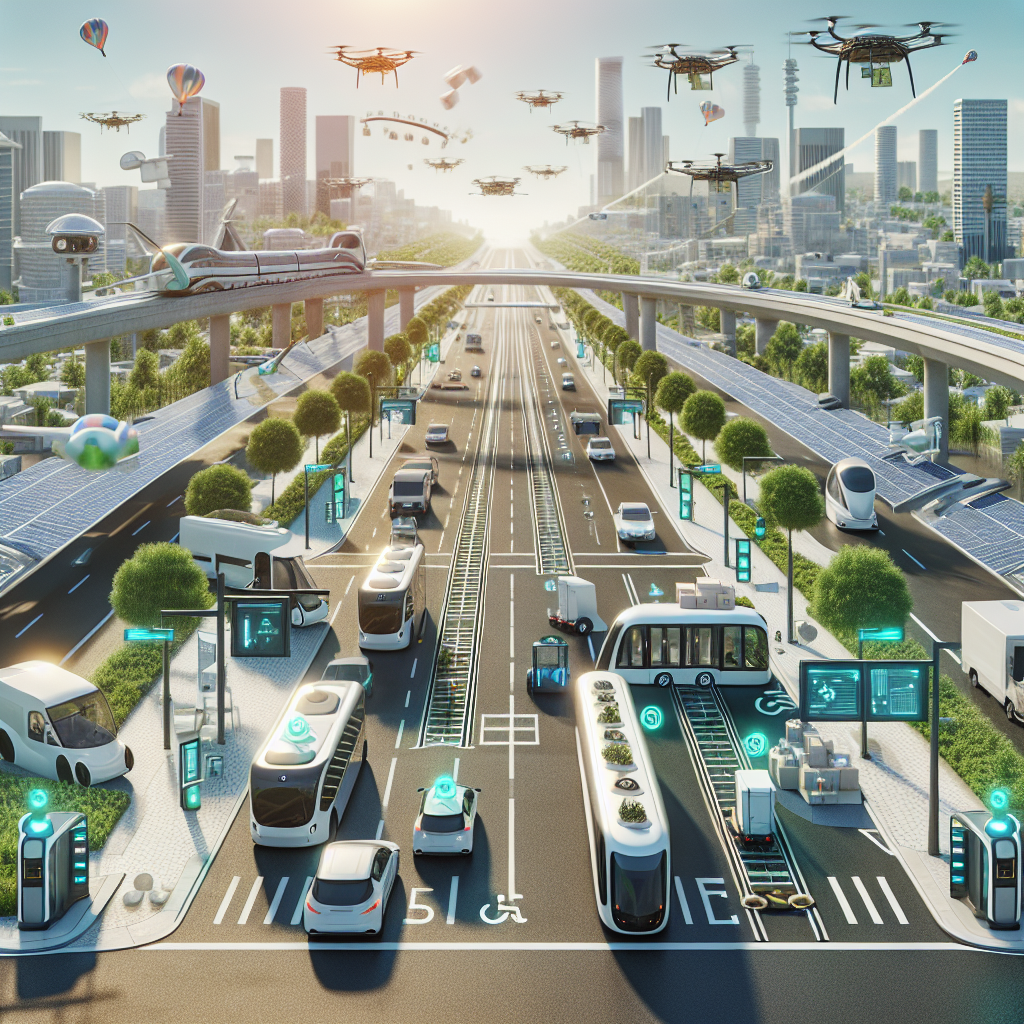
Startups and established technology companies alike are investing in creating and refining technologies that aim to revolutionize how we travel in and around cities. From electric vehicles (EVs) to autonomous driving technology, shared mobility solutions, and intelligent infrastructure, Silicon Valley’s transportation innovations are promising a cleaner, more sustainable future. These efforts are not just about reducing emissions; they’re about creating an integrated system where convenience, efficiency, and sustainability go hand-in-hand.
The Rise of Electric Vehicles
Electric Vehicles (EVs) have been one of the most discussed innovations in the field of sustainable transportation. Companies like Tesla, founded and based in Silicon Valley, are at the forefront of this revolution. The adoption of EVs has several advantages: they have zero tailpipe emissions, reduced greenhouse gases, and lesser dependency on fossil fuels. Tesla’s line-up of electric cars has inspired numerous other startups and traditional automakers to venture into the electric vehicle market.
However, EVs present their own set of challenges, particularly concerning charging infrastructure and battery technology. Silicon Valley startups are addressing these issues with innovative solutions. Companies like ChargePoint and Volta are working on expanding and optimizing electric charging networks, ensuring EV owners can travel long distances without the fear of running out of charge. Meanwhile, advancements in battery technology, spearheaded by companies like QuantumScape, are focusing on increasing battery life and reducing charging times.
Autonomous Driving Technology
The advent of autonomous driving technology promises to revolutionize urban transportation further. Autonomous vehicles (AVs), equipped with sophisticated AI and machine learning systems, can navigate without human intervention, potentially reducing accidents caused by human error and optimizing traffic flow. Silicon Valley heavyweights like Waymo, a subsidiary of Alphabet Inc., are pioneering this technology.
Waymo’s autonomous vehicles have already clocked millions of miles on public roads, and the data collected is instrumental in improving the safety and efficiency of these systems. Additionally, Silicon Valley startups are focusing on specific components and software for AVs, ensuring these vehicles can efficiently understand and navigate complex urban environments. Companies like Zoox and Nuro are pushing the envelope with innovations in autonomous ride-hailing and delivery services, respectively.

Shared Mobility Solutions
Shared mobility solutions, such as ride-sharing and bike-sharing, are another critical aspect of Silicon Valley’s approach to sustainable urban transportation. Companies like Uber and Lyft, both based in the region, have revolutionized how people move in cities. These platforms reduce the need for individual car ownership and can significantly lower emissions when combined with electric or hybrid vehicles.
Additionally, micromobility solutions like electric scooters and bikes provided by companies such as Lime and Bird offer an efficient way for short-distance travel. These services are particularly beneficial for reducing congestion in densely populated urban areas and providing a convenient last-mile solution from public transport hubs. As these solutions continue to become more integrated and accessible, they play a crucial role in reducing the overall carbon footprint of urban transportation.
Intelligent Transportation Systems (ITS)
Intelligent Transportation Systems (ITS) are a cornerstone of the sustainable urban transportation ecosystem. These systems leverage real-time data, advanced analytics, and communication technologies to improve the efficiency and safety of transportation networks. Silicon Valley is a hub for ITS innovation, with companies and startups developing technology that transforms raw data into actionable insights.
For instance, companies like Cisco and Siemens are working on smart traffic management systems that optimize traffic light patterns, reduce congestion, and enhance public transportation networks. Meanwhile, startups like Turo are employing data analytics to offer more efficient ride-sharing services. By optimizing routes and ensuring better fleet management, these systems contribute to a more sustainable urban transportation paradigm.
The Role of Public Policy and Partnerships
While technological innovations are crucial, the role of public policy and partnerships cannot be overstated. Regulatory frameworks need to keep pace with technological advancements to facilitate their safe and efficient deployment. In Silicon Valley, collaboration between tech companies, city planners, and policymakers is fostering an environment where innovation can thrive.
Public-private partnerships are essential for deploying large-scale sustainable transportation solutions. For instance, the city of San Francisco has partnered with various tech companies to create a more integrated and efficient public transport system. These collaborations help in testing new technologies, garnering public trust, and creating sustainable urban transportation ecosystems that benefit everyone.
Conclusion
Silicon Valley’s approach to sustainable urban transportation is multifaceted, encompassing a range of innovations from electric vehicles and autonomous driving technology to shared mobility solutions and intelligent transportation systems. Each of these elements plays a significant role in creating a cohesive, efficient, and environmentally friendly urban transportation network.
As urban populations continue to grow and climate change remains a pressing issue, the need for sustainable transportation systems becomes increasingly critical. Silicon Valley is not just responding to this need but leading the charge with its unique blend of technological innovation, entrepreneurial spirit, and collaborative efforts. While challenges remain, the progress made thus far offers a promising glimpse into the future of urban transportation.
Ultimately, the seamless integration of these technologies, supported by conducive public policies and robust partnerships, will be key to achieving truly sustainable urban transportation. By continually pushing the boundaries of what’s possible, Silicon Valley is set to play a pivotal role in shaping the future of how we move in cities around the world.