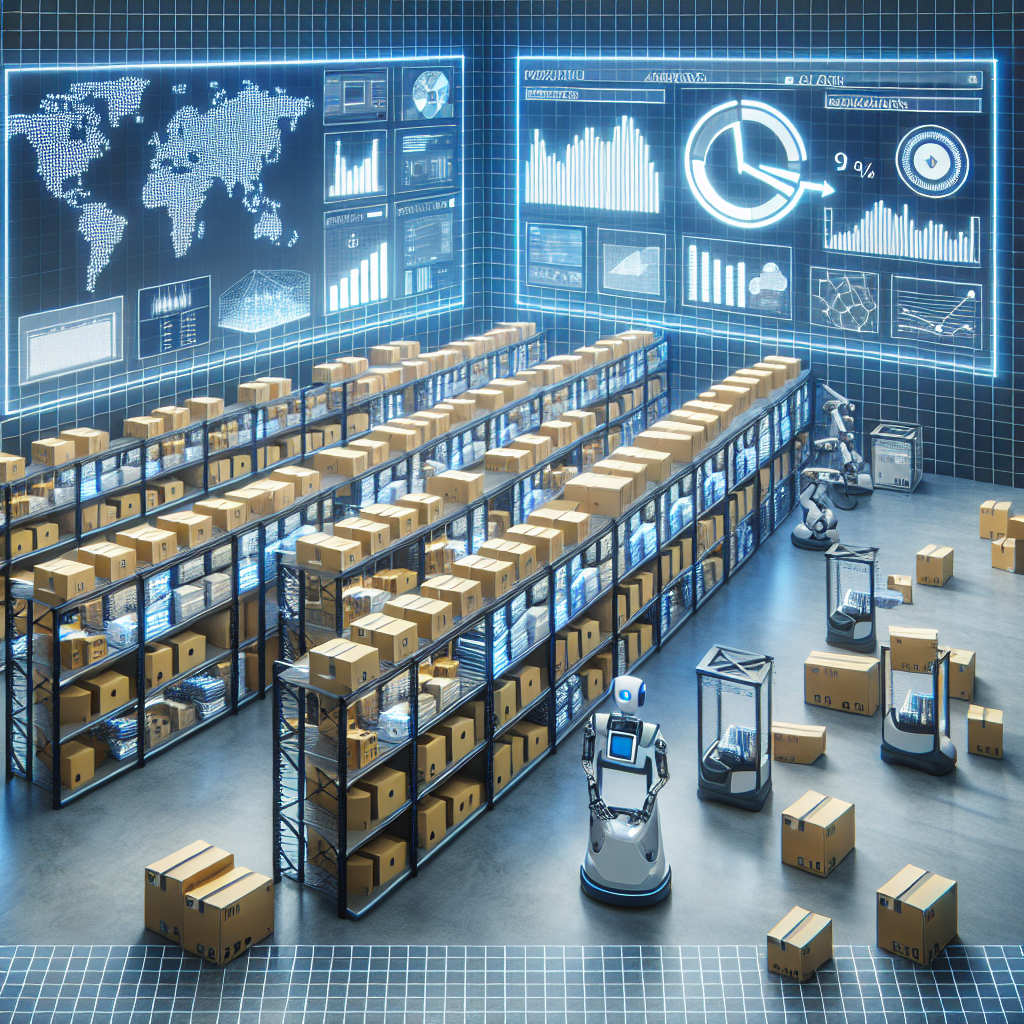
Artificial Intelligence (AI) is reshaping industries globally, with Silicon Valley standing at the forefront of this revolution. The logistic sector, often perceived as traditional and resistant to change, has embraced AI-driven innovations to solve complex challenges, enhancing efficiency and reducing costs. While the logistics industry comprises various segments, including shipping, warehousing, and transportation, tech startups from Silicon Valley cater to each sector with bespoke AI solutions. This article explores how AI is transforming logistics and some pioneering startups leading the change.
The populously tech-savvy region of Silicon Valley has incubated numerous AI-driven startups that offer groundbreaking solutions tailored to logistics needs. Innovative strategies and tools brought forth by these companies are gradually replacing traditional practices, ensuring swifter, more accurate, and cost-efficient supply chain management. From predictive analytics to autonomous vehicles, AI-driven innovations are making significant inroads.
In the dynamic world of logistics, staying ahead of the curve is critical. The synergy between AI and logistics in Silicon Valley illustrates the need for modernization and adaptation in the face of ever-growing market demands. As we delve deeper, we will examine specific technological solutions that startups offer, demonstrating how these innovations are reshaping the logistics landscape.
AI-Driven Predictive Analytics
One of the significant applications of AI in logistics involves predictive analytics. Predictive analytics utilizes historical data, statistical algorithms, and machine learning techniques to identify future outcomes based on past patterns. Startups in Silicon Valley are harnessing this power to transform logistics operations.
For instance, companies like ClearMetal and Elementum have developed platforms that analyze vast amounts of shipment data in real-time. These tools can predict delays, enhance supply chain visibility, and optimize routing, leading to more efficient operations. By predicting demand precisely, logistics companies can make informed decisions about inventory management, thereby reducing wasted resources and avoiding stockouts.
Imagine a scenario where a severe weather event is forecasted along a critical shipping route. Predictive analytics tools can provide alternative routes or suggest adjustments in scheduling to mitigate the impact, ensuring timely deliveries. This proactive approach is invaluable, especially in an industry where time is money.
The implementation of AI-driven predictive analytics in logistics allows for better decision-making, resource optimization, and overall improved customer satisfaction. With Silicon Valley startups leading the charge, the future of logistics looks more predictable and controllable.
Autonomous Vehicles & Drones
Automation in logistics is no longer a futuristic concept but a growing reality. Autonomous vehicles and drones foster efficiency and reduce the need for human intervention in crucial transport and delivery processes.
Startups like Nuro and Starship Technologies have developed autonomous delivery robots capable of maneuvering through urban landscapes and delivering packages directly to consumers. With sophisticated AI algorithms, these delivery robots can navigate complex terrains while avoiding obstacles, ensuring safe and timely delivery of goods.
On a larger scale, companies like Embark Trucks and Aurora are pioneering autonomous long-haul trucks. These trucks equipped with AI and machine learning capabilities can drive autonomously on highways, reducing the risk of human error and significantly cutting down transit times. The potential for cost savings is enormous, particularly in reducing labor costs and optimizing fuel consumption.
Drone deliveries are another growing area enabled by AI. Silicon Valley startups like Zipline are revolutionizing logistics with drone technology designed to deliver critical supplies in remote or hard-to-reach areas. These drones are programmed to carry out deliveries promptly and efficiently without human intervention, a groundbreaking shift for the logistics industry.

Warehouse Automation
The heart of the logistics industry lies in its warehouses, hubs of activity that require painstaking management. AI-driven automation is transforming how warehouses operate, leading to massive efficiency gains.
Robotic Process Automation (RPA) is evolving rapidly with Silicon Valley startups like Fetch Robotics and GreyOrange at the helm. They have created autonomous mobile robots (AMRs) and automated storage and retrieval systems (ASRS) capable of handling complex warehousing tasks. From picking and packing to inventory management, these AI-driven robots significantly reduce manual labor requirements, minimize errors, and speed up operations.
Machine learning algorithms also play a crucial role in optimizing space utilization within warehouses. By analyzing data patterns, AI can determine the most efficient storage layouts and manage inventory in real-time. This capability ensures that goods are stored and retrieved in the most time-efficient manner, leading to faster throughput.
For example, Amazon’s fulfillment centers utilize advanced robotics and AI to optimize their warehousing processes, ensuring rapid delivery times and high customer satisfaction. The future of warehousing is undoubtedly automated, driven by the powerful capabilities of AI technologies.
Supply Chain Optimization
Managing the entire supply chain is an intricate task that can benefit immensely from AI-driven solutions. Silicon Valley startups are providing innovative tools to optimize the supply chain end-to-end.
Companies like Llamasoft and FourKites offer AI-powered platforms that enable real-time tracking and visibility of goods throughout the supply chain. These platforms collect and analyze data from multiple sources, offering actionable insights to improve decision-making processes. By monitoring the movement of goods continuously, companies can anticipate and mitigate any supply chain disruptions.
AI also helps in demand forecasting with greater accuracy. Startups using AI can predict market demands far more precisely than traditional methods. This foresight allows businesses to tailor their production schedules, manage resources efficiently, and improve overall supply chain responsiveness.
Supplier relationship management benefits from AI applications as well. By analyzing supplier performance data, companies can assess risk factors and make better procurement decisions, ensuring a resilient and efficient supply chain. The consistent and precise optimization of the supply chain through AI-driven tools is setting new standards in the logistics sector, propelling it towards unprecedented efficiency.
Customer Service Enhancement
Customer service is a critical aspect of logistics, and AI solutions are transforming how service providers interact with their customers. Silicon Valley startups are leading the charge in enhancing customer service using AI.
Chatbots and virtual assistants powered by AI are becoming increasingly sophisticated, providing instant responses to customer inquiries. Startups like Ada Support and Inbenta offer AI-driven customer service platforms that can handle a large volume of queries efficiently, ensuring prompt and accurate responses. These tools free up human agents to address more complex issues, improving overall service quality.
Furthermore, AI-powered systems can analyze customer feedback and sentiment in real-time, providing companies with valuable insights into customer preferences and pain points. This continuous feedback loop enables logistics companies to refine their processes and improve customer satisfaction proactively.
Predictive maintenance supported by AI is another crucial area ensuring that logistics companies can preemptively address potential issues with transportation and delivery equipment, preventing disruptions in service. By maintaining a high level of service reliability, companies can strengthen their trust and relationship with customers.
Overall, AI-driven solutions are enhancing the customer experience by ensuring faster and more accurate service, which is paramount in the competitive logistics industry.
Conclusion
The integration of Artificial Intelligence (AI) within the logistics industry, driven by innovative startups from Silicon Valley, is creating a paradigm shift. The transformation brought by AI extends across various facets of logistics, from predictive analytics and autonomous vehicles to warehouse automation and supply chain optimization.
As explored, startups in Silicon Valley are tackling long-standing logistical challenges with cutting-edge technologies. Predictive analytics offers foresight into potential disruptions, while autonomous vehicles and drones provide new levels of efficiency in transportation and delivery. Warehouse automation and supply chain optimization ensure more streamlined and error-free operations. Additionally, AI-driven customer service tools enhance how logistics companies interact with their clients, ensuring faster resolution of inquiries and better overall service quality.
The logistics industry’s future is undeniably tied to the continued evolution and application of AI technologies. Companies that embrace these innovations will likely achieve unparalleled efficiency and competitiveness in their operations.
Silicon Valley continues to be a hotbed for technological advancements, and the logistics sector stands to benefit significantly from this wave of innovation. As more AI-driven solutions emerge, the landscape of the logistics industry will be continually redefined, pushing the boundaries of what is achievable in this vital sector.