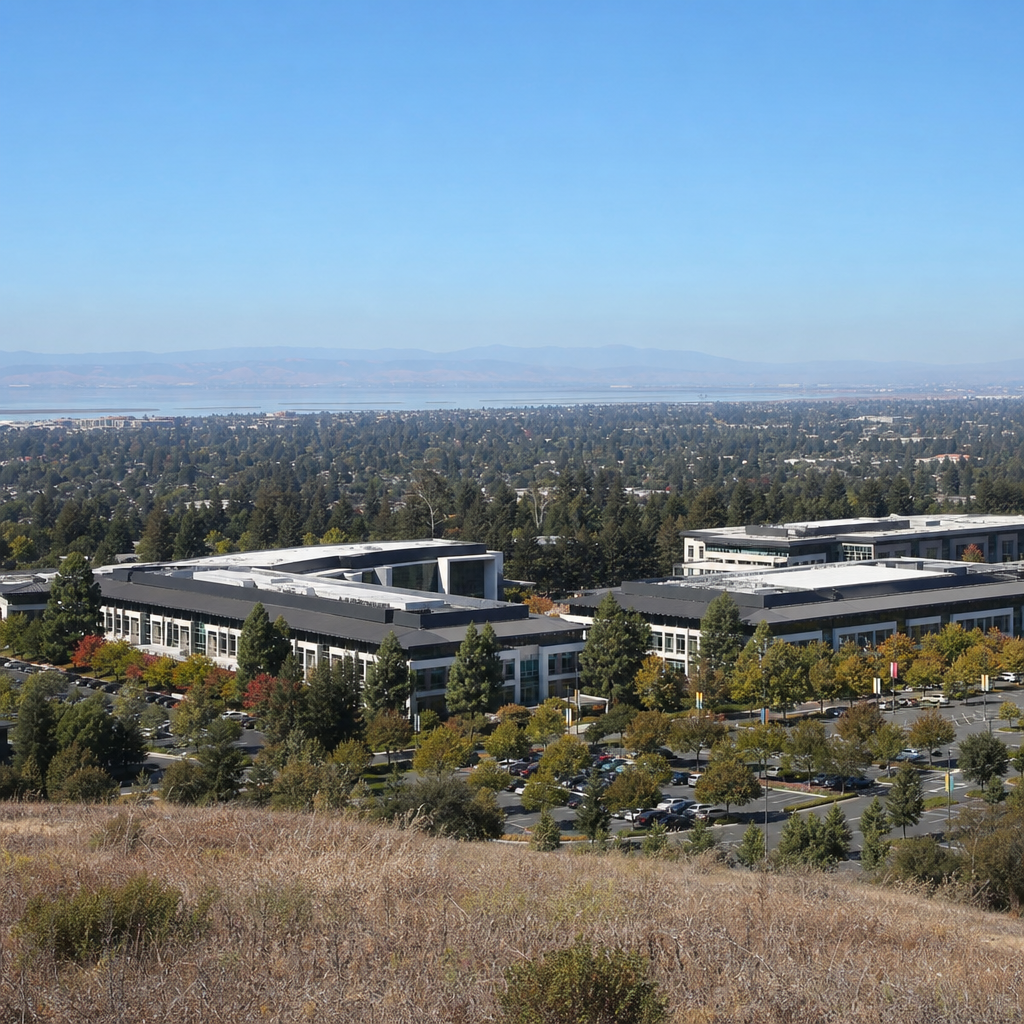
Silicon Valley, famously known as the global hub of technology and innovation, has significantly influenced various sectors globally. One sector that has seen remarkable growth thanks to Silicon Valley’s technological advancements is education. With the advent of big data, educational resources have become richer, more varied, and more personalized than ever before. Leveraging big data in education allows educators to track students’ progress more accurately, identify their strengths and weaknesses, and tailor learning experiences to better meet individual needs.
In a world where information is power, understanding how to navigate the complex landscape of big data is crucial, especially for educational professionals striving to make the most of their resources. Silicon Valley, with its plethora of tech companies, startups, and research institutions, offers a multitude of educational tools and resources designed specifically to harness the power of big data. Whether you are an educator wanting to implement data-driven teaching methods, a student eager to leverage innovative learning tools, or a professional looking to upskill, the resources available in Silicon Valley can significantly amplify your educational journey.
This article explores the various big data educational resources accessible in Silicon Valley. From renowned institutions and tech giants leading the way in educational technology to startups offering cutting-edge tools, we delve into how they are reshaping education. Additionally, we guide you on how to navigate these resources to maximize their benefits effectively.
Renowned Institutions Leading the Way
When discussing educational resources in Silicon Valley, it’s imperative to mention the esteemed institutions that are at the forefront of big data research and application in education. Stanford University, situated in the heart of Silicon Valley, offers an array of courses and programs centered around big data. Their focus on interdisciplinary learning ensures that students gain valuable insights from various fields, integrating big data into their primary area of study.
Moreover, Stanford’s labs and research centers, such as the Stanford Data Science Initiative, provide opportunities for hands-on experience with big data technologies. Engaging in these programs allows students and educators to collaborate on cutting-edge projects, fostering innovation and practical knowledge. Similarly, institutions like the University of California, Berkeley, and Santa Clara University have robust data science and educational technology programs that contribute significantly to big data research and application in education.
These universities also host numerous conferences, symposiums, and workshops that bring together academics, industry professionals, and students. Events like these foster collaboration, knowledge sharing, and staying abreast of the latest trends and breakthroughs in big data in education. Leveraging the resources and networks provided by these institutions can serve as a solid foundation for anyone looking to delve into the world of big data within the educational sphere.
Tech Giants Setting the Benchmark
Silicon Valley is home to some of the world’s leading technology companies, which have been pivotal in driving the adoption of big data in education. Companies like Google, Apple, and Microsoft have long ventured beyond their primary industry focuses to explore and develop educational technologies. Platforms like Google Classroom and Microsoft Teams have transformed how educators manage classrooms and deliver content, especially highlighted during the remote learning surge.
Google’s Education suite provides teachers and students with powerful tools for collaboration, organization, and data analysis. By utilizing Google Analytics and other tools, educators can track student engagement, performance, and areas needing improvement. Apple’s educational products, including iPads and educational apps through the App Store, add an interactive and engaging dimension to learning, while their accessibility features ensure that learning is inclusive for students with different needs.
Additionally, these tech giants offer various training programs, certifications, and resources for educators to become proficient in using their tools and understanding data-driven insights. For example, Google’s educator training center provides comprehensive courses on utilizing G Suite for Education. By engaging with these platforms and resources, educators are better equipped to harness big data’s potential to enhance teaching effectiveness and outcomes.

Innovative Startups Transforming Education
The dynamic startup ecosystem in Silicon Valley is a hotbed for innovation in educational technology. Startups are often at the cutting edge, exploring niche areas that big players might overlook. One notable example is Khan Academy, a non-profit educational organization offering free online courses, lessons, and practice opportunities. Through its data-driven approach, Khan Academy personalizes learning experiences for users, ensuring they receive tailored content suited to their progress and needs.
Another significant player is Coursera, which partners with universities and organizations to provide online courses, specializations, and degrees. Utilizing big data analytics, Coursera helps learners identify the most suitable courses and tracks their progress, offering insights into areas where they need to improve. Startups like these not only democratize education by making high-quality learning accessible but also utilize big data to refine and enhance the learning experience continuously.
Furthermore, startups focused on specific aspects of educational technology, such as AltSchool (acquired by Higher Ground Education) and DreamBox Learning, offer personalized and adaptive learning experiences powered by big data. These platforms gather vast amounts of data on student interactions, performance, and learning styles, using this information to tailor content, pacing, and teaching strategies to each student’s unique needs.
Practical Tools for Educators and Learners
Navigating the world of big data in education requires practical tools that simplify the process of collecting, analyzing, and utilizing data. Several accessible software and platforms are designed specifically for this purpose. For educators looking to integrate big data into their teaching, tools like Tableau and Power BI offer powerful data visualization capabilities. These tools enable teachers to create intuitive dashboards that display student performance metrics, attendance, and engagement levels.
Learning management systems (LMS) like Canvas and Blackboard are indispensable in today’s educational environment. These platforms not only manage course content and facilitate communication but also provide detailed analytics on student usage and performance. By interpreting this data, educators can make informed decisions to improve course design, identify students who may need additional support, and develop targeted interventions.
For students, tools like Adapt Learning offer adaptive learning technologies that adjust to the learner’s pace and style. Platforms like Adapt present material in ways that best suit the user’s preferred learning method, whether visual, auditory, or kinesthetic. Using such tools allows students to engage more deeply with the material and enhance their learning efficiency.
Collaborative Learning and Data Sharing
The integration of big data in education not only enhances individual learning but also fosters collaborative learning environments. Platforms like Slack and Trello, while primarily used in business contexts, are increasingly being adopted in educational settings for their collaborative capabilities. These tools enable seamless communication, project management, and resource sharing among students and educators, promoting a connected learning experience.
Moreover, Educational Data Mining (EDM) and Learning Analytics (LA) are emerging fields that focus on extracting useful insights from educational data. Institutions can collaborate using shared databases and analytics platforms to contribute to broader educational research and improvements. For instance, the Open Education Data initiative encourages institutions to share anonymized educational data sets, which researchers can analyze to uncover trends, challenges, and opportunities within the educational landscape.
By fostering a culture of collaboration and data sharing, educational institutions can collectively enrich the learning experience. Such collaborative efforts also drive innovation, as diverse perspectives contribute to developing more effective educational strategies and technologies.
Conclusion
Navigating the world of big data in education, particularly within the vibrant tech landscape of Silicon Valley, opens immense opportunities for educators, students, and professionals. The region’s renowned institutions provide a robust foundation with their advanced programs and research initiatives. Major tech companies offer essential tools and platforms that efficiently integrate into the educational process, enhancing teaching and learning experiences.
Innovative startups continue to disrupt and reshape the educational technology landscape, offering personalized, adaptive learning experiences powered by data analytics. Practical tools and platforms simplify the utilization of big data, making it accessible and actionable for educators and learners alike. Furthermore, fostering collaborative learning environments and promoting data sharing can significantly amplify the benefits of big data in education.
By leveraging the diverse array of resources available in Silicon Valley, educational professionals and students can stay at the forefront of educational innovation. Embracing a data-driven approach paves the way for more personalized, effective, and inclusive learning experiences. Ultimately, navigating big data’s intricacies equips us to better prepare for the future’s educational challenges and opportunities.