Silicon Valley, universally recognized as the global hub of technology development and innovation, has fundamentally impacted numerous industries with its disruptive inventions. Among those sectors, education has seen a profoundly transformative shift, mainly through the advancement of remote learning technologies. As the world continues to adapt to new realities driven by global events like the COVID-19 pandemic, the need for effective, adaptable, and forward-thinking educational solutions has never been more prominent. This article explores the array of remote learning technologies conceived in Silicon Valley, showcasing the region’s revolutionary impact on modern education.
Introduction
The educational landscape has dramatically evolved over the past decade. Traditional in-person classrooms, once the standard for knowledge dissemination, are increasingly being complemented, and in some cases replaced, by remote learning technologies. A key player in this transformation is Silicon Valley. Renowned for its groundbreaking technological advancements, Silicon Valley has spearheaded innovations that hold the potential to reshape educational paradigms globally. Companies and start-ups within this tech haven are continuously pushing boundaries, exploring new frontiers in digital education.
Remote learning, at its core, leverages technology to deliver educational content and facilitate interactions between educators and students irrespective of physical locations. This model provides unparalleled flexibility, accessibility, and customization, making quality education attainable and efficient. The Silicon Valley ecosystem, with its rich blend of intellectual capital, financial resources, and entrepreneurial spirit, serves as an incubator for cutting-edge educational technologies. By embracing and integrating innovations from this dynamic region, the future of education promises to be more inclusive and transformative than ever before.
Innovative Remote Learning Platforms
One of the most significant contributions of Silicon Valley to the education sector is the development of innovative remote learning platforms. Platforms like Coursera, Khan Academy, and Udacity have democratized education by offering a vast array of courses from renowned institutions and industry experts worldwide. These platforms leverage the power of the internet and sophisticated algorithms to cater to the diverse learning needs of millions of students globally.
These remote learning platforms utilize various interactive tools to enhance the learning experience. Video lectures, interactive quizzes, peer-reviewed assignments, and discussion forums are just a few features that make these platforms highly engaging and effective. Moreover, they employ advanced data analytics to monitor student progress and personalize learning paths, ensuring that each learner can achieve their maximum potential.
The integration of artificial intelligence (AI) and machine learning (ML) further revolutionizes these platforms. AI-driven tutoring systems provide real-time feedback and support, mimicking one-on-one tutoring experiences. Chatbots and virtual assistants are also leveraged to assist students with their queries and administrative tasks, making the learning experience seamless and efficient. The continuous evolution of these platforms reflects Silicon Valley’s commitment to enhancing remote education through relentless innovation.
Virtual and Augmented Reality in Education
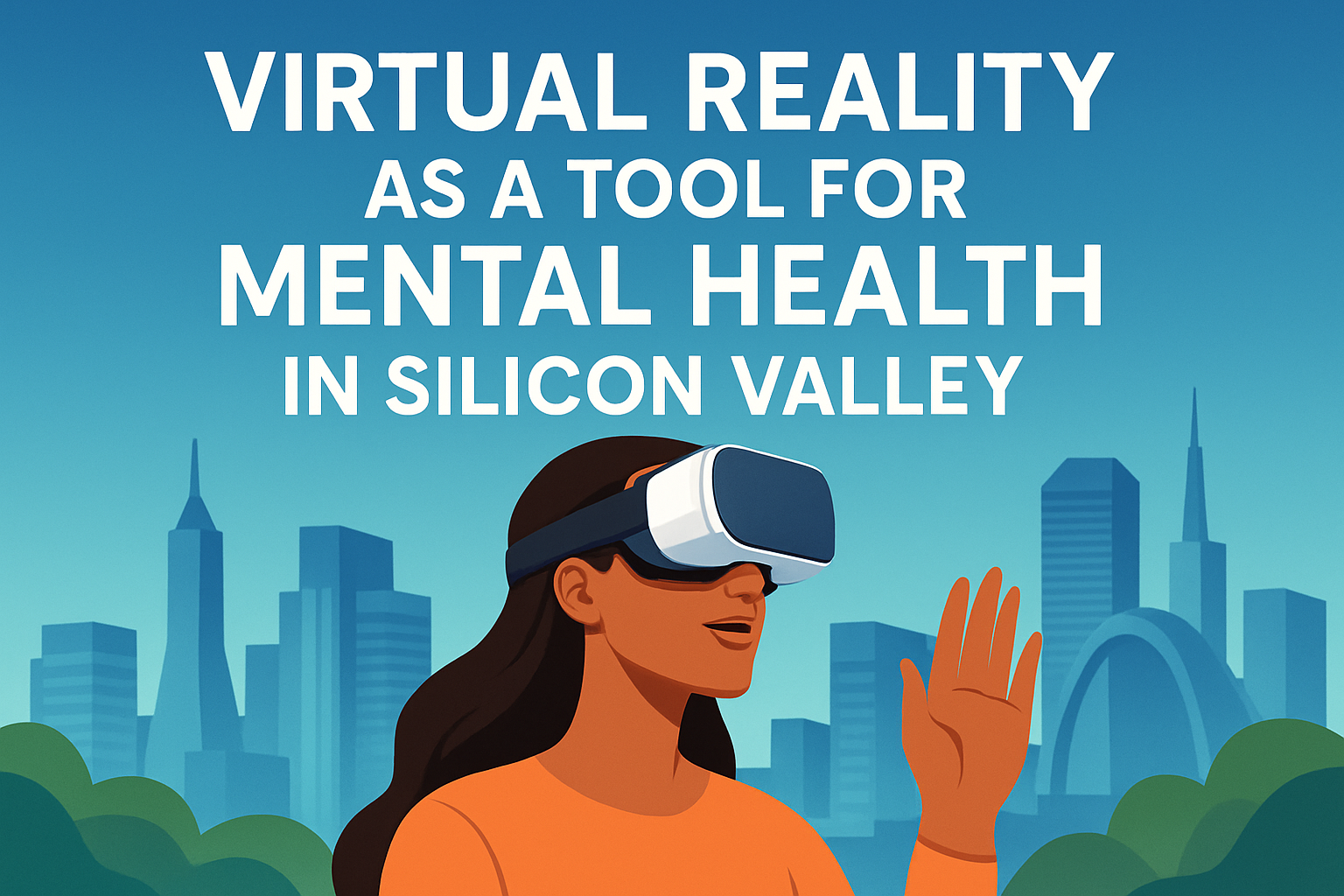
Virtual Reality (VR) and Augmented Reality (AR) technologies, once considered the domain of gaming and entertainment, are now at the frontier of educational innovation. Silicon Valley start-ups and tech giants are actively exploring how VR and AR can be harnessed to create immersive learning experiences that go beyond traditional methods.
VR allows students to explore and interact with digitally created environments, providing experiential learning opportunities that are impossible in real-world settings. For instance, medical students can perform virtual surgeries, history students can walk through ancient civilizations, and engineering students can engage with complex machinery without the risks or costs associated of physical experiences. This hands-on approach significantly enhances comprehension and retention.
On the other hand, AR overlays digital information onto the real world, offering contextual learning experiences. Educational apps like Google Expeditions and AR-based textbooks bring static images and texts to life, making learning more engaging and interactive. This technology also aids in visualizing abstract concepts, particularly in subjects like mathematics and science, making them more accessible and easier to understand.
The application of VR and AR in education embodies Silicon Valley’s innovative spirit. As these technologies mature and become more affordable, their potential to revolutionize education and make learning more inclusive and immersive is tremendous.
Artificial Intelligence and Personalized Learning
Artificial Intelligence has become a cornerstone of educational innovation in Silicon Valley. Its application in personalized learning is particularly noteworthy. Traditional education systems often employ a one-size-fits-all approach, which does not cater to the diverse needs and learning paces of individual students. AI addresses this challenge by providing personalized learning experiences tailored to each student’s strengths, weaknesses, and learning style.
Adaptive learning platforms utilize AI algorithms to assess students’ performance in real-time and adjust the difficulty and type of content accordingly. This ensures that students remain engaged and are neither bored with content that is too easy nor overwhelmed with content that is too difficult. AI also identifies gaps in knowledge and recommends resources to fill these gaps, ensuring a comprehensive understanding of the subject matter.
Additionally, AI-powered educational tools assist teachers in managing their workload more efficiently. Predictive analytics help educators identify students who may need additional support, allowing for timely intervention. Automated grading systems and administrative bots further reduce the administrative burden on teachers, enabling them to focus more on teaching and less on paperwork.
Silicon Valley’s advancements in AI and its application in personalized learning underscore the region’s dedication to creating adaptive, efficient, and student-centric educational solutions. As AI continues to evolve, its role in shaping the future of education will undoubtedly expand.
Gamification and Engagement
Another significant trend emerging from Silicon Valley is the gamification of education. The concept of gamification involves integrating game mechanics into non-game contexts to boost engagement and motivation. In education, gamification transforms learning into a more enjoyable and interactive experience, making students more likely to engage with the content and retain information.
Educational apps and platforms incorporating gamification elements are proliferating. Features like point scoring, leaderboards, and achievement badges make learning more competitive and fun. They also provide instant feedback, which is crucial for keeping students motivated. Platforms like Duolingo, a language learning app, and Kahoot!, a game-based learning platform, exemplify the successful application of gamification in education.
Another exciting development is the rise of educational games designed to teach complex subjects through immersive gameplay. For instance, Minecraft: Education Edition builds on the popular sandbox game Minecraft to provide educational content in subjects like history, mathematics, and science. These games offer experiential learning opportunities, encouraging creativity, problem-solving, and collaboration among students.
The gamification of education signifies Silicon Valley’s innovative approach to making learning more engaging and effective. By tapping into the natural human inclination towards play, gamified educational tools foster a more vibrant and interactive learning environment.
Future Prospects and Challenges
While the advancements in remote learning technologies from Silicon Valley are promising, they also pose certain challenges. Access to high-quality remote learning tools is still uneven, particularly in underserved communities. The digital divide, characterized by disparities in access to digital devices and high-speed internet, remains a significant hurdle. Addressing this issue is crucial to ensuring that the benefits of technological advancements in education are equitably distributed.
Privacy and data security are other critical concerns. As remote learning technologies gather vast amounts of data to provide personalized learning experiences, safeguarding this data becomes paramount. Students’ educational data must be protected against unauthorized access and misuse. Establishing robust data protection measures and transparent data usage policies is essential to maintain trust and ensure the ethical use of technology in education.
Furthermore, the rapid pace of technological advancement requires continuous adaptation and upskilling of educators. Teachers must be adept at using new tools and techniques, necessitating ongoing professional development and training. Educational institutions and policymakers must invest in resources and support systems to help educators keep pace with technological changes.
Despite these challenges, the future of remote learning technologies appears bright. Innovations from Silicon Valley are poised to further transform education, making it more accessible, engaging, and personalized. As the global community continues to navigate the evolving educational landscape, the collaborative efforts of technologists, educators, and policymakers will be vital in shaping a future where technology serves as a catalyst for educational excellence and equity.
Conclusion
Silicon Valley’s impact on remote learning technologies underscores its role as a beacon of innovation and progress. From advanced learning platforms to the immersive experiences offered by VR and AR, the integration of AI for personalized learning, to the gamification of educational content, the contributions from this tech-centric region are reshaping the future of education. These innovations are not only enhancing the learning experience but also democratizing access to high-quality education, breaking down geographical and socio-economic barriers.
As we move forward, it is essential to address the challenges accompanying these advancements. Bridging the digital divide, ensuring data privacy, and equipping educators with the necessary skills and resources are critical steps towards realizing the full potential of remote learning technologies. Collaboration between technologists, educators, policymakers, and the global community will be pivotal in fostering an inclusive and equitable educational environment.
The transformation driven by Silicon Valley paves the way for a future where education is more flexible, accessible, and tailored to individual learning needs. Embracing these innovations with a forward-thinking mindset will be crucial in nurturing a generation of learners equipped to thrive in an increasingly digital and interconnected world. Silicon Valley’s educational revolution, marked by its continuous exploration of remote learning technologies, stands as a testament to the boundless possibilities that arise at the intersection of technology and education.