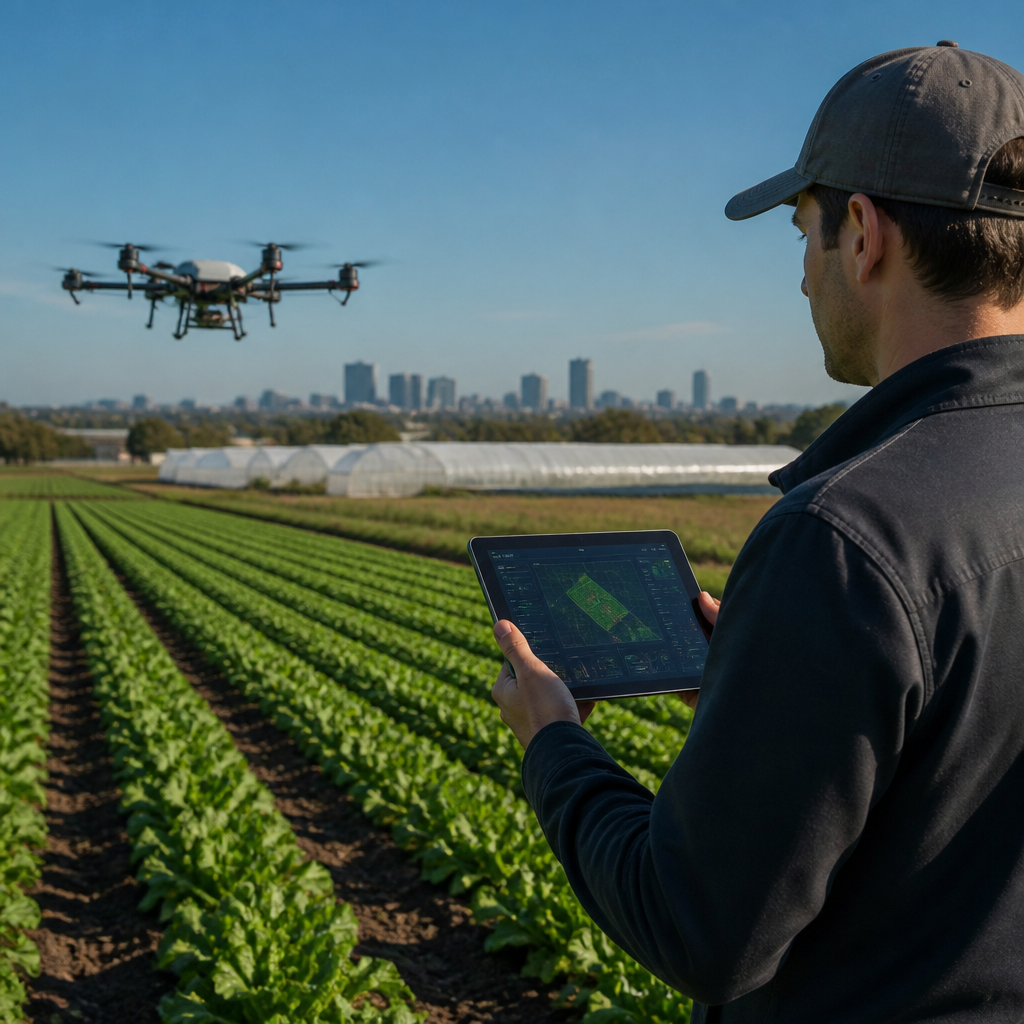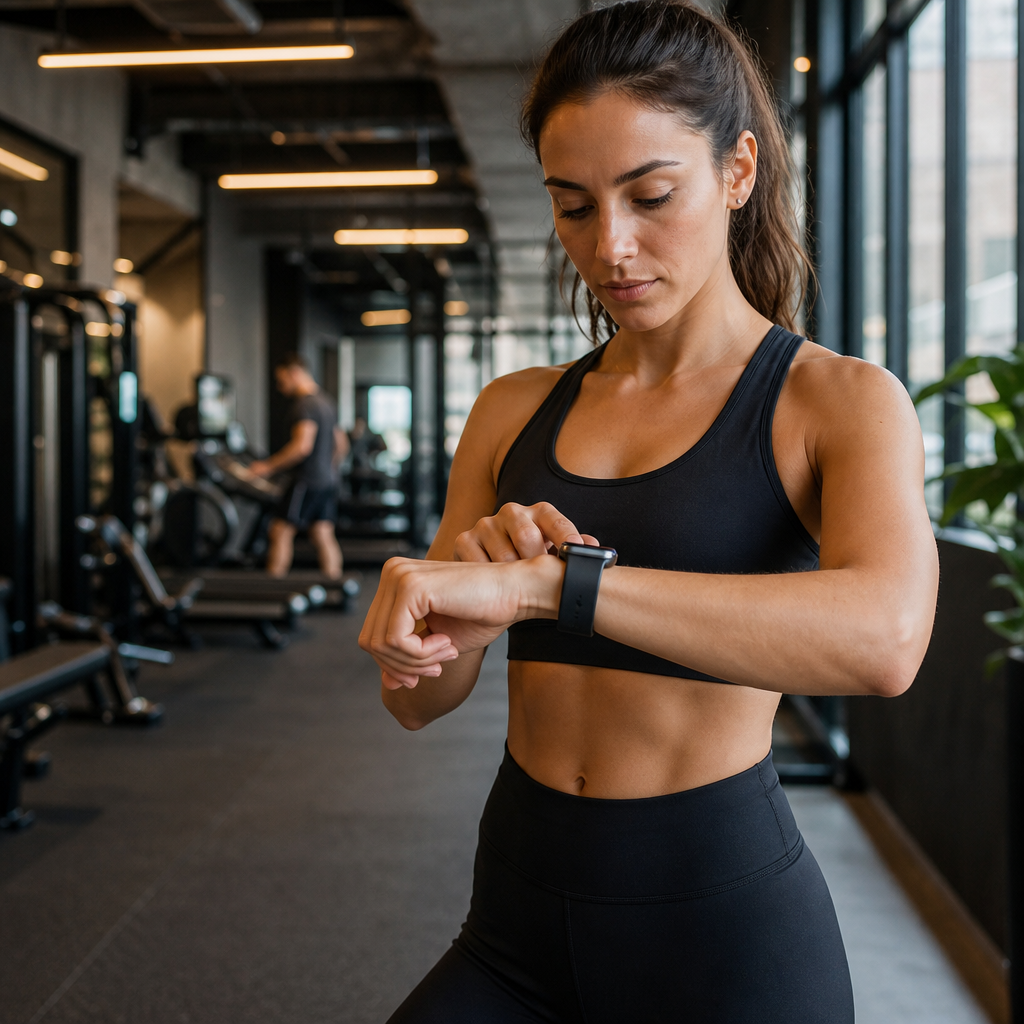
Silicon Valley startups are redefining personal fitness tech by turning exercise, recovery, sleep, and nutrition into measurable systems that adapt to each user in real time. Personal fitness tech refers to connected devices, software platforms, and data models that help people train, monitor health signals, and make behavior changes with more precision than traditional gym routines or paper plans. In practice, that includes smartwatches, GPS sports watches, connected strength machines, smart rings, AI coaching apps, computer vision form analysis, continuous glucose monitors used for lifestyle feedback, and platforms that merge all of that information into one dashboard. This matters because consumers no longer want generic wellness advice; they want recommendations tied to their goals, schedules, biometrics, injury history, and budget.
Having worked with founders building wearable and coaching products, I have seen the same pattern repeatedly: the winners do not just add sensors, they create useful decisions from messy streams of data. That shift is why this category now sits at the center of broader tech innovation. Apple normalized consumer health tracking, Peloton proved hardware can anchor a recurring software business, WHOOP built a premium subscription around recovery analytics, and Oura showed that a small ring can shape mainstream conversations about readiness, sleep stages, and stress. Startups in Silicon Valley are pushing further by combining machine learning, low-power sensors, cloud analytics, and behavior design into products that feel personal rather than clinical.
For readers exploring cutting-edge tech, personal fitness technology is a strong hub topic because it touches multiple startup themes at once: hardware innovation, software subscriptions, AI personalization, telehealth, digital therapeutics, privacy, and venture-backed business models. It also raises practical questions people ask before buying or investing attention. Which devices are actually accurate? How do startups make recommendations from heart rate variability, motion data, or glucose trends? Where does computer vision fit into home workouts? What are the tradeoffs between convenience and data privacy? Answering those questions requires looking beyond flashy product launches and understanding the operating systems being built underneath modern fitness experiences.
Wearables Have Moved From Step Counters to Continuous Health Platforms
The first big change is that wearables no longer compete on step counts alone. Modern personal fitness tech relies on sensor fusion, the practice of combining signals such as accelerometer data, optical heart rate, skin temperature, blood oxygen estimates, and sleep motion patterns to infer a user’s condition. Startups use these streams to estimate training load, recovery, sleep debt, stress, and readiness. WHOOP popularized recovery scoring based on heart rate variability, resting heart rate, sleep performance, and strain. Oura translated similar signals into daily readiness and sleep scores using a ring form factor that many users find easier to wear overnight than a watch.
Silicon Valley startups are improving this category in three ways. First, they are reducing friction. Smaller sensors, longer battery life, and passive tracking lead to higher adherence, which matters because even the best algorithm fails when users stop wearing the device. Second, they are improving interpretation. A resting heart rate spike after late alcohol consumption means something different from the same spike after interval training, and strong products explain that context. Third, they are connecting wearables to ecosystems. Garmin, Apple Health, Google Health Connect, and Strava have shown that users expect interoperability, so startups increasingly design APIs and integrations from day one.
Accuracy still matters, and serious buyers should evaluate claims carefully. Wrist-based optical heart rate can perform well during steady cardio but often struggles with rapid movement, darker tattoos, poor fit, and high-intensity intervals. Sleep staging is useful directionally but not equivalent to polysomnography, the clinical gold standard. Good startups state those limits clearly. The most credible companies validate features against recognized methods, publish white papers, or collaborate with academic labs instead of pretending consumer devices are medical instruments. That honesty builds trust and improves long-term retention more than exaggerated precision ever will.
AI Coaching Is Turning Raw Data Into Personalized Action
Data alone does not change behavior. The real revolution is AI coaching that converts information into decisions users can follow. In practical terms, that means telling someone whether to push, maintain, or recover today; how much protein to target after lifting; when to adjust bedtime; or why repeated low readiness scores may reflect accumulated fatigue. Startups are building recommendation engines around training history, wearable inputs, calendar data, subjective check-ins, and stated goals. The best systems behave like a good coach: they adapt plans when life happens rather than punishing inconsistency.
Tempo and Tonal helped consumers understand this shift in connected strength training. Their systems combine hardware, software, and guided programming to deliver form cues, progression logic, and performance tracking at home. On the software side, apps such as Future, Freeletics, and Fitbod have trained users to expect dynamic plans rather than static PDFs. Silicon Valley startups now layer large language interfaces on top of these engines, making interactions feel conversational while keeping the underlying recommendations tied to measurable inputs. That combination lowers intimidation for beginners and speeds decision-making for experienced athletes.
There is a clear business reason this model is spreading. Personalized coaching increases retention because users can see cause and effect. If an app explains that poor sleep reduced recovery, then recommends a lower-intensity session and shows improved metrics the next day, the product creates a feedback loop. Startups love this because recurring engagement supports subscription revenue. Users benefit when advice is specific, timely, and realistic. The risk is over-automation. Fitness adaptation is not perfectly predictable, and algorithms can miss pain, illness, travel stress, or menstrual-cycle variation unless products explicitly account for them.
Computer Vision and Smart Equipment Are Rebuilding the Home Gym
Another major frontier is computer vision, which allows cameras and depth sensors to analyze movement quality without requiring users to visit a studio. Startups use pose estimation models to identify joint angles, rep counts, bar path, tempo, and asymmetry during squats, pushups, lunges, yoga flows, or rehabilitation exercises. This solves one of the oldest home fitness problems: people often know what workout to do, but not whether they are doing it correctly. A well-designed system can flag knee valgus during a squat, a rounded back in a hinge, or a rushed eccentric phase during strength work.
Connected equipment amplifies that value. Tonal uses digital resistance and software-guided programming to adjust load automatically. Hydrow brought immersive rowing content into the home. Mirror, before being folded into a broader strategy, demonstrated that people would pay for elegant, screen-based instruction if it fit into daily life better than commuting to class. Silicon Valley startups learned from those examples that hardware must deliver durable utility, not just novelty. Expensive equipment with weak content libraries or poor onboarding struggles, while products that combine frictionless setup, credible coaching, and progressive programming perform better.
| Technology | Main Use | Startup Advantage | Key Limitation |
|---|---|---|---|
| Smart rings and watches | Sleep, recovery, heart rate, activity | Passive daily tracking | Sensor accuracy varies by context |
| AI coaching apps | Training and habit guidance | Scalable personalization | Advice depends on data quality |
| Computer vision platforms | Form analysis and rep tracking | Real-time movement feedback | Camera angle and lighting affect results |
| Connected strength devices | Home resistance training | Automatic progression and content | High upfront cost |
For consumers, the practical question is whether smart equipment replaces a gym. The honest answer is sometimes. For busy professionals, parents, beginners, and people who value convenience, connected home systems can dramatically increase consistency. For powerlifters, competitive athletes, or people who need specialized coaching, traditional facilities still offer more flexibility. Startups that acknowledge this tradeoff tend to position their products more effectively. They sell accessibility, coaching quality, and time savings rather than claiming every device can fully substitute for every training environment.
Recovery, Metabolic Tracking, and Preventive Health Are Converging
Silicon Valley startups are also expanding the definition of fitness tech beyond workouts. Recovery has become a primary product category because users increasingly understand that adaptation happens between sessions, not only during them. That is why sleep coaching, breathwork apps, cold exposure trackers, and stress analytics are appearing alongside training tools. Startups often use heart rate variability, skin temperature trends, and subjective mood logs to identify recovery patterns, though these signals should be interpreted cautiously. They are best used to guide conversations about behavior, not diagnose disease.
Metabolic tracking is another fast-moving area. Companies such as Levels helped popularize the use of continuous glucose monitors for lifestyle feedback, even among people without diabetes. The appeal is obvious: users can see how meals, sleep loss, stress, and exercise affect glucose responses in near real time. Used properly, this can reveal patterns that generic nutrition advice misses. A person may discover, for example, that a short walk after dinner smooths their glucose curve more effectively than a restrictive diet rule. However, startups need to avoid turning every biomarker fluctuation into anxiety. Better products provide context, ranges, and actionable experiments instead of fear.
This convergence with preventive health creates enormous opportunity, but it also introduces regulation, privacy, and evidence challenges. If a product edges toward medical claims, it may require stronger validation and clearer oversight. If a platform stores sensitive biometric data, encryption, consent management, and transparent retention policies become nonnegotiable. Founders who treat privacy as a feature, not a legal afterthought, gain an advantage. So do companies that can distinguish wellness guidance from clinical decision-making with precision. That line will shape the next generation of trusted fitness startups.
What Makes a Fitness Startup Win in a Crowded Market
In my experience, the startups that last are not necessarily the ones with the flashiest sensors. They win by solving a repeated user problem better than existing habits. Strong companies define a narrow initial use case, such as better sleep for frequent travelers, strength coaching for apartment dwellers, or recovery monitoring for endurance athletes, then expand carefully. They understand unit economics, because hardware margins, customer acquisition costs, and churn can destroy a promising product. They also invest in integrations, customer support, and onboarding, since confusion in the first week often predicts cancellation in the first month.
For readers following tech innovations and startups, personal fitness tech is one of the clearest examples of how Silicon Valley turns advances in sensors, AI, and consumer software into everyday behavior change. The biggest takeaway is simple: the most important innovation is not the device itself but the quality of decisions it helps people make. Wearables, AI coaching, computer vision, and recovery analytics are valuable when they create clearer choices, better habits, and measurable progress without overwhelming the user. As you explore this hub topic, look closely at accuracy, personalization, privacy, and real adherence. Those four factors separate lasting fitness technology from short-lived gadget trends. If you are evaluating products or startup ideas in this space, start with the user problem and follow the data carefully.
Frequently Asked Questions
1. How are Silicon Valley startups changing personal fitness tech compared with traditional fitness tools?
Silicon Valley startups are moving personal fitness beyond simple step counters and generic workout plans by building connected systems that collect, interpret, and act on real-time data. Traditional fitness tools often relied on static programs, occasional assessments, or broad advice that treated most users the same. In contrast, newer fitness platforms combine wearables, mobile apps, cloud software, sensors, and machine learning models to create a far more responsive experience. That means a smartwatch can track heart rate variability, sleep quality, workout load, and daily movement, while a companion app uses that information to suggest whether you should push harder, recover, or adjust nutrition targets.
What makes this shift especially important is personalization at scale. Startups are designing products that adapt to each person’s changing physiology, habits, and goals instead of forcing everyone into a fixed template. For example, connected strength machines can automatically adjust resistance based on prior performance, recovery apps can use biometrics to recommend rest protocols, and nutrition platforms can align meal suggestions with training intensity, body composition goals, and sleep patterns. The result is that exercise, recovery, sleep, and nutrition become measurable systems that work together rather than isolated parts of a wellness routine.
Another major difference is accessibility. Many of these startups package advanced performance analysis once reserved for elite athletes into consumer-friendly products for everyday users. Features like readiness scores, guided interval coaching, AI-generated training plans, and smart habit tracking make it easier for people to understand what the data means and what to do next. In practical terms, Silicon Valley startups are not just making fitness devices smarter; they are turning personal fitness into an ongoing feedback loop that helps users make better decisions with more precision, consistency, and accountability.
2. What types of devices and platforms are included in modern personal fitness tech?
Modern personal fitness tech includes a broad ecosystem of connected devices and digital platforms designed to measure performance, monitor health signals, and support behavior change. The most familiar category is wearables, such as smartwatches, fitness bands, heart rate straps, and GPS sports watches. These devices can track metrics like heart rate, pace, distance, calories burned, sleep stages, blood oxygen trends, stress indicators, and activity levels throughout the day. Many startups use these data streams as the foundation for personalized recommendations.
Beyond wearables, startups are also innovating in connected home fitness equipment and smart training hardware. This includes connected strength machines, smart exercise bikes, treadmills, rowers, recovery tools, and sensor-based equipment that can measure force output, repetitions, movement quality, and fatigue. Some systems automatically log workouts, adjust resistance in real time, or provide on-screen coaching during sessions. Others focus on rehabilitation or mobility, using motion tracking and form analysis to help users move more safely and efficiently.
Software is just as important as hardware in this category. Mobile apps, coaching dashboards, sleep platforms, nutrition trackers, habit-building systems, and AI-driven training engines are central to how users interact with their data. These platforms often pull information from multiple sources and turn it into practical guidance, such as adjusting your weekly training volume, recommending an earlier bedtime, or prompting higher protein intake after a demanding workout block. The most advanced startups are building integrated ecosystems where exercise, recovery, sleep, and nutrition are no longer tracked separately but managed together as part of a unified personal performance system.
3. How does real-time data make fitness training more personalized and effective?
Real-time data improves personalization by helping fitness technology respond to what is happening in your body now, not just what was planned days or weeks ago. In older fitness models, a person might follow the same routine regardless of poor sleep, elevated stress, soreness, illness, or signs of progress. Startups are changing that by collecting continuous inputs from wearable sensors, workout devices, and self-reported behaviors, then using those inputs to refine daily recommendations. If your recovery metrics suggest fatigue, your app might reduce intensity. If your performance trends show adaptation, it may increase load or suggest a new training phase.
This matters because fitness gains come from balancing stress and recovery effectively. Too little challenge can slow progress, while too much can increase injury risk, burnout, or poor adherence. Real-time systems help users train in the productive middle ground. For example, an app may analyze resting heart rate, heart rate variability, sleep duration, and prior training load to determine readiness. It can then recommend a hard interval session, a moderate endurance workout, or a recovery day based on those signals. Nutrition platforms can do something similar by changing calorie, hydration, or macronutrient guidance according to activity patterns and body goals.
Real-time personalization also makes people more engaged because the feedback feels relevant and actionable. Instead of seeing disconnected charts, users get context: why they feel sluggish, why performance dipped, or why recovery should be prioritized. Over time, this helps build smarter habits because users begin to connect behaviors with outcomes. In that sense, the real innovation is not just data collection but interpretation. The best Silicon Valley startups are translating complex biometrics into decisions people can actually use, making fitness more adaptive, efficient, and sustainable.
4. Are there real benefits to using startup-driven fitness tech for recovery, sleep, and nutrition, not just workouts?
Yes, and this is one of the biggest reasons personal fitness tech has expanded so quickly. Many startups recognize that workout quality is only one part of overall progress. Recovery, sleep, and nutrition strongly influence energy levels, muscle repair, motivation, hormonal balance, and long-term consistency. If those areas are ignored, even the best training plan can underperform. Startup-driven fitness platforms are increasingly designed to connect these variables so users can understand how their daily choices affect performance and health outcomes.
In recovery, connected tools can help users monitor signs of fatigue, overtraining, or poor adaptation. Metrics such as heart rate variability, resting heart rate, sleep debt, muscle readiness, and previous training strain can be used to recommend mobility work, active recovery, lighter sessions, or complete rest. For sleep, many devices now track duration, timing, and quality trends, then identify patterns that may affect focus, recovery, and exercise output. Some platforms go further by offering bedtime coaching, wind-down reminders, or environmental suggestions to improve sleep consistency.
Nutrition tech has also become more precise and behavior-focused. Instead of basic calorie logging alone, newer systems may align food guidance with workout intensity, body composition goals, hydration status, glucose responses, and meal timing. Some startups use AI to help users make practical nutrition choices rather than simply record what they ate. This creates a more complete support system around health and fitness. When recovery, sleep, and nutrition are measured alongside exercise, users gain a clearer picture of why they are progressing, plateauing, or feeling run down. That broader visibility is often what turns short-term effort into lasting results.
5. What should consumers look for when choosing personal fitness tech from emerging startups?
Consumers should start by identifying their primary goal, because the best device or platform depends on what problem they want to solve. Someone training for endurance events may need accurate GPS, heart rate analysis, and load tracking, while someone focused on general wellness may care more about sleep, activity reminders, stress monitoring, and habit support. A person building strength at home may benefit from connected resistance equipment and form feedback, whereas another person may want nutrition coaching or recovery insights. The strongest products are usually those that align closely with a user’s actual routine rather than offering the longest feature list.
It is also important to evaluate data quality, usability, and integration. A startup may offer impressive technology, but if the sensor accuracy is inconsistent, the app is confusing, or the recommendations are too generic, the experience can quickly lose value. Look for products that provide clear explanations, actionable insights, and a smooth interface. Compatibility matters too. Many users already have smartphones, smartwatches, third-party fitness apps, or health platforms, so products that integrate well across ecosystems often deliver a better long-term experience.
Finally, consumers should pay attention to privacy, coaching philosophy, and sustainability of use. Personal fitness tech collects sensitive information, including health metrics, behavior patterns, and lifestyle data, so transparent privacy policies and strong data protections are essential. It is also worth asking whether the platform encourages healthy, realistic behavior or pushes constant optimization in a way that may become stressful. The best startup-driven fitness tech helps users make smarter decisions without overwhelming them. In the end, the most valuable product is not the one with the most advanced branding or algorithms, but the one that consistently helps you train better, recover well, sleep more effectively, and maintain habits you can stick with over time.