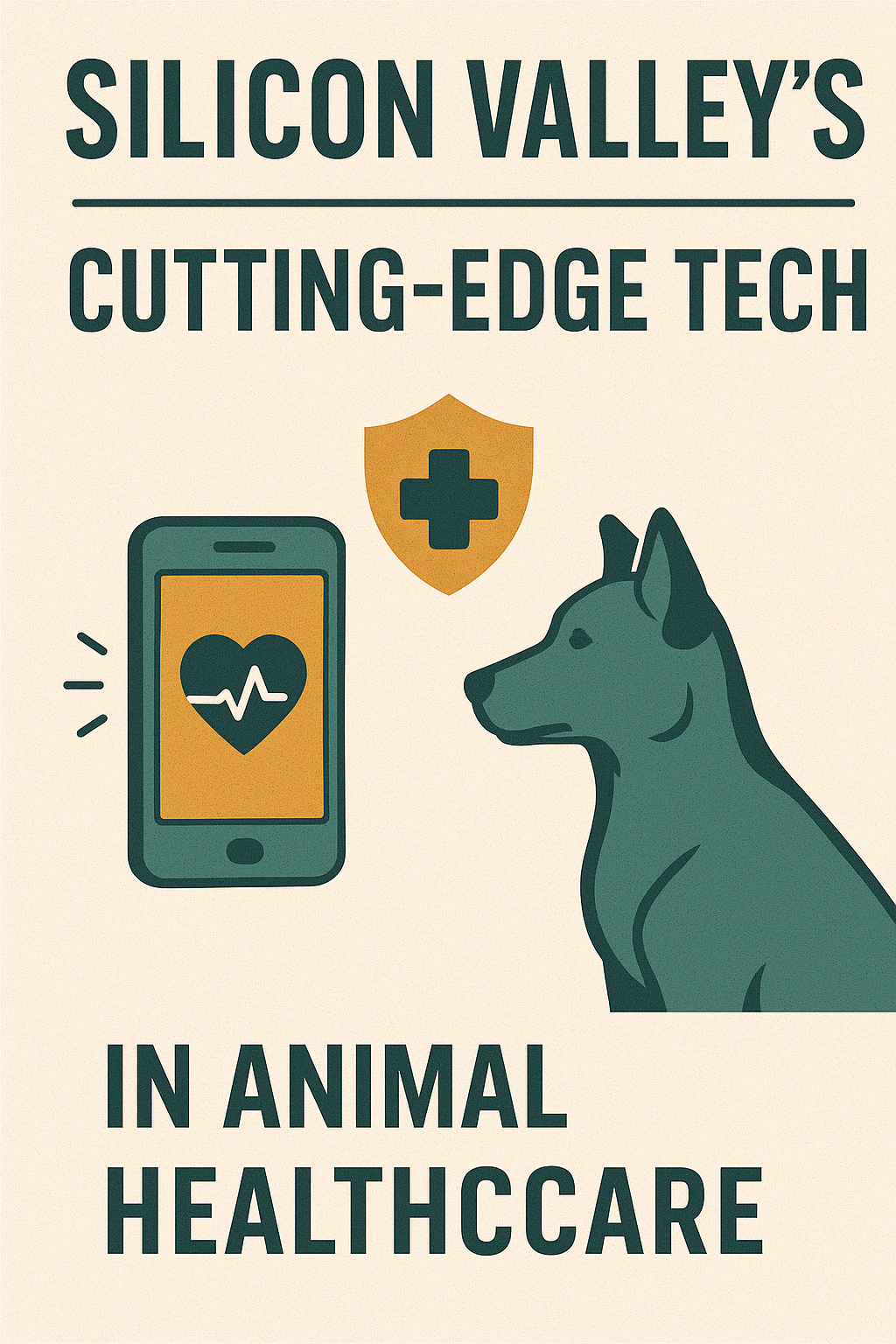
In recent years, Silicon Valley has not only been the epicenter for technological advancements in computing, robotics, and artificial intelligence but also a burgeoning hub for innovations in animal healthcare. With its confluence of top tier tech companies, groundbreaking startups, and an abundance of tech-savvy professionals, Silicon Valley is uniquely positioned to revolutionize this crucial domain. Key terms such as telemedicine, AI diagnostics, and wearable technology increasingly redefine traditional practices in veterinary care. But why should these developments matter to you, whether you’re a pet owner, a farmer, or someone invested in animal welfare? The answer lies in the tangible benefits these technologies offer — improving diagnosis accuracy, reducing healthcare costs, and enhancing the quality of life for animals and their human counterparts alike. As society’s focus increasingly shifts toward the ethical treatment and wellbeing of animals, leveraging cutting-edge tech becomes all the more important. Through this article, we will explore several key innovations from Silicon Valley that are redefining the landscape of animal healthcare, illustrating how these technologies contribute to real-world transformations.
AI Diagnostics: Unleashing the Power of Machine Learning
Artificial Intelligence (AI) has already proven its efficacy in human medicine with applications ranging from image-based diagnostics to predictive analytics. The transition of AI into animal healthcare presents enormous potential, with diagnostic tools that promise unprecedented accuracy. For instance, through machine learning algorithms, AI systems are engineered to recognize disease symptoms from medical imaging such as X-rays and ultrasounds, which can be difficult for human eyes to detect. A notable example is Vesten Technologies’ AI system designed specifically for veterinary use. This system scans images for anomalies, offering faster and often more accurate diagnoses than traditional methods allow. The program learns continuously, enhancing its diagnostic precision with each analyzed image. By doing so, it not only improves the early detection of diseases such as cancer and cardiovascular conditions but also allows veterinarians to devote more time to personalized care, thus enhancing patient outcomes.
Telemedicine: Bridging the Gap Between Pets and Vets
The concept of telemedicine, already well-established in human healthcare, is gaining traction in the animal world, leading to transformative opportunities for both pet owners and veterinarians. Especially beneficial for pet owners in rural or remote areas without immediate access to veterinary services, telemedicine brings healthcare to their doorstep. Services like AirVet provide virtual consultations through video calls where pet owners can seek expert advice from veterinarians without leaving their homes. A practical example is a family in a rural area who could diagnose their horse’s colic symptoms with a telemedicine consult promptly, receiving almost immediate medical advice and preventing potentially fatal complications. Such accessibility and convenience underscore telemedicine’s growing value within the veterinary field, making quality care more attainable for pets and livestock owners alike.
Wearable Technology: Monitoring Health in Real-Time
Drawing inspiration from the fitness trackers and smartwatches ubiquitous among humans, wearable technology has leapt into the animal kingdom with a variety of applications. Simple devices affixed with sensors track key health metrics such as heart rate, body temperature, and activity levels continuously. A standout player in this domain is FitBark, which manufactures a canine equivalent of Fitbit to help dog owners track and manage their pets’ activity and health. In real time, the device transmits data to a mobile app, enabling pet parents to monitor their pets’ wellbeing promptly. On a larger scale, wearable tech is also transforming livestock management by improving breeding programs and disease prevention. For example, devices fitted to dairy cows monitor patterns in movement and eating habits. This data helps farmers optimize milk production and detect early onset of diseases, streamlining herd management more efficiently than traditional methods could.
Genomic Testing: Unlocking Genetic Insights
Understanding an animal’s genetic makeup provides insights into breed characteristics, potential health risks, and hereditary diseases. Companies like Embark Veterinary are pioneering DNA testing kits for pets that enable detailed genetic profiling. By analyzing genetic data, these tests identify breed composition, health conditions, and even optimal diet regimens tailored to avoid triggering genetic disorders. One compelling application is in the breeding world — breeders armed with genomic insights can make informed decisions when selecting breeding pairs to produce healthier offspring and advance certain breed traits. As a result, genomic testing is not just a niche research tool but a practical utility gaining popularity among responsible breeders and conscientious pet owners.
Robotics in Surgery: Precision at Its Best
The domain of surgical robotics has gradually made its foray into veterinary medicine, promising enhanced precision and control beyond human capability. Robotic systems guide surgeons through intricate procedures, minimizing human error and reducing recovery times for the animal. The Da Vinci Surgical System, a staple in human surgeries, is a noteworthy example that has made its way into veterinary operating rooms. An exemplary case involved a surgical team using this system to perform minimally invasive surgery on a feline patient with cancer, resulting in a smoother, quicker recovery compared to conventional surgery. Robotics complements veterinary skills, advancing surgical procedures to new heights and increasing the success rates of complex surgeries.
Next Steps: Integrate Tech into Your Animal Care Routine
The landscape of animal healthcare is undergoing a monumental shift thanks to these technological innovations streaming from Silicon Valley. With AI diagnostics refining accuracy, telemedicine broadening access, wearable technology offering real-time monitoring, genomic testing providing genetic insights, and robotics enhancing surgical precision, these are just a few of the cutting-edge tools revolutionizing how we care for our beloved animals. As you think about the future of animal healthcare, consider integrating these technologies into your own pet or livestock care routine. Explore available options that align with your specific needs and discuss them with a trusted veterinary professional to ascertain the best approach for your animals. By embracing these advancements, you can play an active part in promoting better health, welfare, and longevity for animals everywhere.
Frequently Asked Questions
1. How is telemedicine transforming animal healthcare in Silicon Valley?
Telemedicine is truly a game-changer in the realm of animal healthcare, especially with the technological prowess that Silicon Valley brings to the table. Traditionally, getting veterinary care for pets involved scheduling an appointment, possibly stressing out your pet with a trip to the vet, and waiting for the consultation. However, thanks to Silicon Valley’s innovation, telemedicine platforms have emerged, allowing pet owners to consult with veterinarians remotely using video calls and chat. This technological leap means quicker access to professional advice, often at a fraction of the cost and aside from the time saved, it’s particularly beneficial for people living in rural areas or those with tight schedules. By leveraging telemedicine, tech companies in Silicon Valley are significantly enhancing convenience, reducing stress for pets, and facilitating faster response times in emergency situations. With the continuous improvement of internet connectivity and real-time communication platforms, the prospects for telemedicine to enhance animal healthcare are immense.
2. What role does artificial intelligence (AI) play in diagnostics for animal healthcare?
Artificial Intelligence (AI) is indeed paving the way for more precise and efficient diagnostics in animal healthcare. In Silicon Valley, the use of AI in this field is revolutionizing how illnesses in animals are detected and treated. Diagnostic AI can analyze patterns from vast datasets, learning from previous outcomes to predict potential health issues before they become serious. For example, AI algorithms can be used to evaluate images from X-rays or MRIs to diagnose fractures, tumors, or other anomalies faster and with greater accuracy than traditional methods. Moreover, AI-powered tools are also being developed to analyze blood samples or track vital signs to identify health trends or indicators of disease in animals. These AI systems are not only augmenting the capabilities of veterinarians but are also working towards reducing human error. As Silicon Valley continues to merge its technological innovation with veterinary science, we can expect AI-powered diagnostics to become a staple tool in animal healthcare, leading to better outcomes and improved quality of life for animals.
3. What are wearable technologies for animals, and how do these gadgets contribute to their health?
Wearable technology for animals is an exciting frontier, and in Silicon Valley, it’s one that’s brimming with potential. These devices, much like fitness trackers for humans, are designed to monitor the health and activity levels of animals. They can be collars, harnesses, or implants equipped with sensors that track various health metrics such as heart rate, temperature, movement, and even location. Having real-time access and alerts about an animal’s wellbeing is invaluable, providing pet owners and veterinarians with data that can lead to early detection of health issues. For instance, a decrease in activity levels may signal arthritis, while irregular heart rates might indicate cardiac problems. Some advanced wearables even monitor biometric data and use AI to provide insights into an animal’s emotional state. This data-driven approach helps veterinarians to make more informed decisions and enables pet owners to take preemptive actions for their pet’s health. In Silicon Valley, these innovations are rapidly being integrated into the pet care market, promising a future where real-time health monitoring supports proactive and personalized veterinary care.
4. How are Silicon Valley startups contributing to innovations in animal health?
Silicon Valley startups are at the forefront of innovation, and their contributions to animal health are no exception. These startups bring fresh ideas and technological expertise to tackle longstanding issues in veterinary care. For instance, some startups focus on the development of smart apps that provide behavioral insights or help in tracking diet and exercise for pets. Others dive into biotechnology, creating more effective medications or treatments for common ailments in pets or advancing techniques in veterinary genomics to understand genetic disorders. Furthermore, there are startups that specialize in robotic technologies, such as robotic limbs or assistive devices for disabled animals. The culture of collaboration and willingness to push boundaries, which is synonymous with Silicon Valley, results in these startups constantly refining existing solutions and developing new ones that make animal care more effective, accessible, and affordable. With a strong network of investors, skilled professionals, and a spirit of innovation, Silicon Valley startups are well-equipped to continue transforming the field of animal healthcare for the better.
5. In what ways does robotics play a role in advancing animal healthcare?
Robotics is making significant strides in the field of animal healthcare, and Silicon Valley’s technology landscape is nurturing its growth. Robotics in veterinary medicine can be seen in several applications. One major domain is surgeries, where robotic arms and controllers assist veterinarians in performing intricate procedures with high precision and control that exceeds human capabilities. This reduces the risk of complications and speeds up recovery times for animals. Additionally, robotic systems are being developed to aid in rehabilitation, enabling animals that suffer from mobility issues to regain functionality through the use of exoskeletons and other assistive devices. In research laboratories, robotics helps in automating routine and repetitive tasks, allowing for more efficient operation and freeing up time for research on more complex problems. These robotic interventions not only enhance the tools available to veterinarians but also improve the overall quality and efficiency of care provided to animals. As robotics technology continues to advance in Silicon Valley, so too will its applications in animal healthcare, broadening the capabilities of veterinary medicine to new heights.