Introduction: The Intersection of Silicon Valley and Electric Vehicles
The rise of electric vehicles (EVs) represents one of the most significant shifts in automotive history, spurred by the dual forces of environmental necessity and technological innovation. At the heart of this revolution lies Silicon Valley, a global epicenter of cutting-edge technological development. With its rich ecosystem of tech giants, startups, and venture capital, Silicon Valley is shaping the future trajectory of the electric vehicle industry. The term ‘Silicon Valley’ broadly refers to the San Francisco Bay Area’s high-tech corridor known for its role in emerging technologies. On the other hand, electric vehicles, which use electric motors powered by rechargeable battery packs, stand as a sustainable alternative to traditional internal combustion engine vehicles. This convergence of tech prowess and automotive innovation is catalyzing unprecedented changes in the automotive industry, leading to advancements in vehicle efficiency, design, and overall consumer experience. This matters because it not only heralds a new era of sustainable transportation but also influences global economic, environmental, and social landscapes. Understanding this influence provides insight into future industry trends and consumer choices, offering a glimpse into a potentially greener tomorrow.
Advancements in Battery Technology
Silicon Valley companies are at the forefront of developing advanced battery technology, which is critical to the success and adoption of electric vehicles. Batteries are the lifeblood of EVs, determining everything from how far a vehicle can travel on a single charge to how quickly it can be recharged. Companies like Tesla, headquartered in Palo Alto, have been pioneers in this space. Tesla’s Gigafactories are dedicated to the high-volume production of lithium-ion batteries, significantly reducing costs and improving battery performance. For example, Tesla’s introduction of the 4680 battery cell has offered significant improvements in energy density, range, and cost efficiency.
The collaboration between tech firms and automakers in Silicon Valley has expedited breakthroughs in solid-state batteries, promising even greater advances in EV capability. Solid-state batteries have the potential for higher energy density and a safer profile than current lithium-ion counterparts. This progress is a testament to Silicon Valley’s ability to foster innovation that drives the electric vehicle industry forward.
The Role of Artificial Intelligence and Autonomous Driving
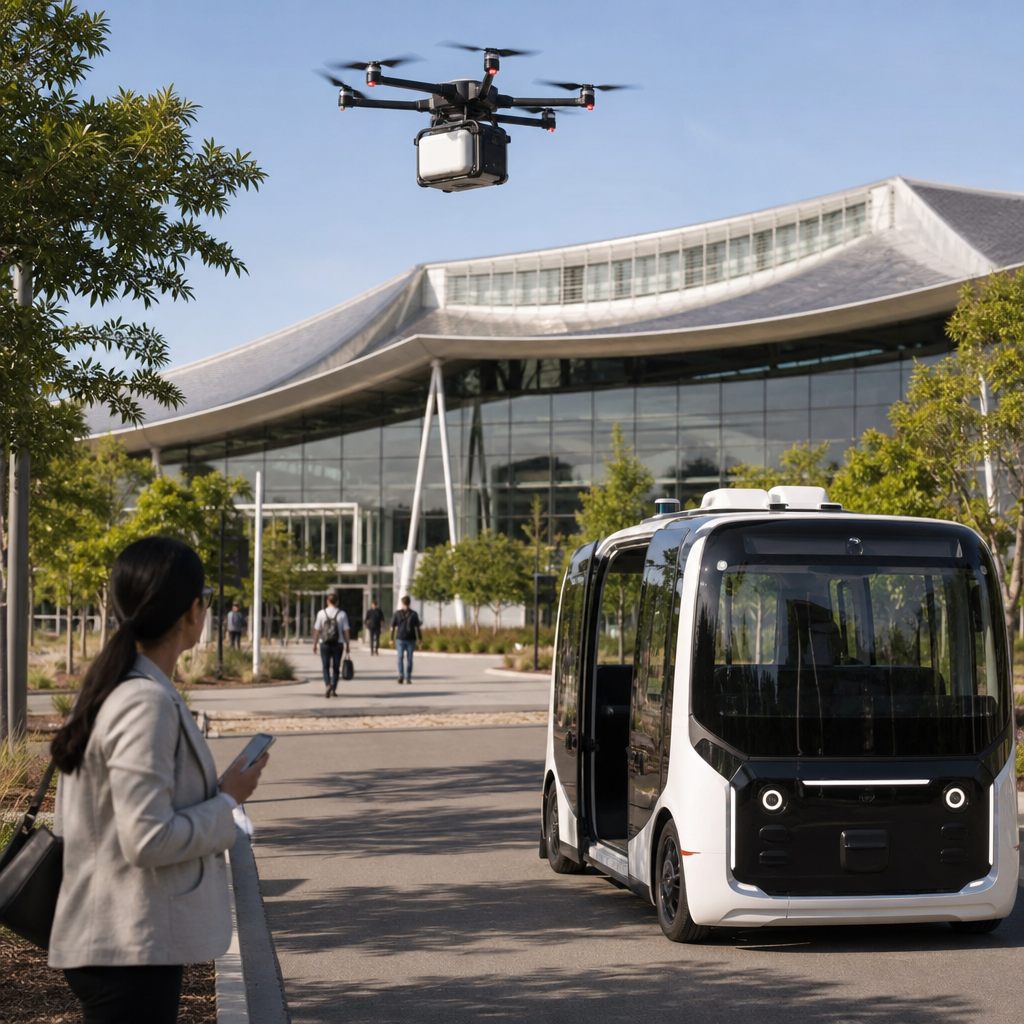
Another significant influence of Silicon Valley on the future of electric vehicles is the integration of artificial intelligence (AI) and autonomous driving technologies. Companies such as Waymo, a subsidiary of Alphabet Inc., are leading the charge in this arena, developing autonomous driving systems that can be integrated into electric vehicles. These technologies not only promise to revolutionize how we drive but also enhance the safety and efficiency of the transportation network.
Waymo’s autonomous vehicles rely on sophisticated machine learning algorithms and sensor technologies to navigate complex environments without human intervention. This includes the ability to process vast amounts of data in real-time to make split-second decisions, mimicking human judgment but with enhanced precision and reliability. Such innovations position Silicon Valley as a key player in the future landscape of transportation, where electric vehicles offer not just environmental benefits but are also part of a smarter, interconnected mobility ecosystem.
Software Innovation and Over-the-Air Updates
One of the distinct advantages Silicon Valley offers to the electric vehicle industry is its robust software landscape. The trend toward viewing vehicles as software-defined products owes much to the influence of tech giants like Apple and Google, both of which have developed seamless, user-friendly platforms that aim to integrate consumer electronics into the driving experience. Tesla’s ability to deliver over-the-air (OTA) software updates exemplifies this shift, allowing vehicles to receive new features, improvements, and security patches remotely. This capability elevates the electric vehicle into a constantly evolving product, unlike traditional cars whose features remain static post-manufacture.
- Tesla – Pioneering OTA updates to maintain vehicle performance.
- Google – Developing Android Automotive OS for seamless infotainment integration.
- Apple – Focusing on in-car experiences through Apple CarPlay and further innovations.
The software revolution driven by Silicon Valley not only enhances driver experience but also allows manufacturers to extend the lifecycle of their vehicles by introducing new functionalities over time. This keeps the cars relevant and up-to-date with the latest technological advancements.
Infrastructure Development and the Role of Startups
The development of a reliable charging infrastructure is essential for the widespread adoption of electric vehicles, and Silicon Valley is playing a vital role in this area as well. Startups like ChargePoint and EVgo are expanding their charging networks, creating a more accessible and convenient system for EV owners. The ease of access to a reliable charging infrastructure is often cited as a barrier to EV adoption, but Silicon Valley companies are making significant strides to address this challenge.
ChargePoint, headquartered in Campbell, California, has established itself as one of the largest charging networks globally, continuously innovating to enhance user experience and integration with smart grid technology. Similarly, EVgo recently announced an expansion into high-power DC fast charging, ensuring that EV owners can recharge their vehicles rapidly, an essential factor for those considering the switch from conventional vehicles.
Collaboration and Partnerships Driving Industry Growth
Collaboration between tech companies and traditional automotive manufacturers is another crucial factor influenced by Silicon Valley in the EV sphere. These partnerships leverage the strengths of both parties, combining Detroit’s automotive manufacturing expertise with Silicon Valley’s technological capabilities. Companies like Ford and Google have joined forces to work on projects involving AI-assisted driving and user-interface technologies designed for next-generation vehicles.
Another notable collaboration is between Honda and GM, who are working together on developing industry-leading battery technology and autonomous vehicle systems through a joint venture. These collaborative efforts underscore the importance of Silicon Valley as a hub not just for technological innovation but as a facilitator of cross-industry partnerships that propel the electric vehicle industry forward.
The Impact on Global Policymaking and Environmental Benefits
The influence of Silicon Valley on the global stage is significant, particularly in the realm of environmental policy and regulation. As electric vehicles gain popularity, governments worldwide are inspired by the advancements emanating from Silicon Valley, implementing policies that promote EV adoption. For example, California has introduced legislation mandating the sale of zero-emission vehicles by 2035, setting a precedent for other states and countries to follow.
The global push towards sustainability and clean energy is heavily influenced by the technological progress championed by companies in Silicon Valley. Their innovations not only reduce dependence on fossil fuels but also set new standards for energy efficiency and emissions reduction, aligning with international climate goals and fostering a cleaner environment.
Conclusion: Embracing the Electric Future
In conclusion, Silicon Valley’s influence on the electric vehicle industry is profound, driving innovations in battery technology, AI, software, infrastructure, and global policy. The integration of these technologies within the industry not only improves the functionality and appeal of electric vehicles but also encourages wider adoption by addressing key consumer concerns such as range anxiety, safety, and connectivity. These advancements underscore Silicon Valley’s pivotal role in shaping a sustainable and technologically sophisticated future for transportation.
As consumers and stakeholders in this industry, it is crucial to stay informed about these developments, as they will dictate the future of mobility and environmental sustainability. For those considering an investment in an electric vehicle, staying updated on technological progress and infrastructure improvements can aid in making informed decisions. Silicon Valley’s ongoing contributions will undoubtedly continue to enhance the landscape of global transportation, steering us towards a more sustainable future. We encourage readers to explore further the advancements that Silicon Valley brings to the EV industry and advocate for increased adoption and support for these game-changing technologies.
Frequently Asked Questions
1. How is Silicon Valley contributing to the advancement of electric vehicles?
Silicon Valley is playing a pivotal role in advancing electric vehicles (EVs) through a combination of innovative technology development, substantial investment, and fostering collaboration between tech firms and automotive manufacturers. At its core, Silicon Valley is a hub for technological innovation, with companies such as Tesla spearheading the charge. Tesla has set new benchmarks for electric vehicles in terms of battery life, autonomous driving capabilities, and performance. Besides Tesla, numerous startups are emerging, each focusing on niche aspects of EV technology, whether it’s battery advancement, charging infrastructure, or vehicle software systems.
The large venture capital presence in Silicon Valley also accelerates the EV revolution by funding startups and research initiatives that show promise in transforming the sector. Through substantial financial backing, emerging technologies are able to reach the market more rapidly. Silicon Valley’s tech giants like Google and Apple are also involved, bringing their expertise in artificial intelligence and software integration to the EV table. The ecosystem in Silicon Valley fosters a unique blend of collaboration and competition that accelerates innovation and brings electric vehicles closer to the technological frontiers needed to capture a significant share of the automotive market.
2. What role does environmental necessity play in the collaboration between Silicon Valley and the electric vehicle industry?
Environmental necessity is a driving force behind the strong collaboration between Silicon Valley’s technology sector and the electric vehicle industry. As concerns about climate change and air pollution reached critical levels, there has been a concerted global effort to reduce carbon emissions, where transportation is a significant contributor. Electric vehicles present a viable solution to reducing the carbon footprint of the automotive industry.
Silicon Valley companies are particularly positioned to offer innovative solutions to environmental problems due to their focus on cutting-edge technologies. Firms in Silicon Valley are not just developing technologies aimed at improving battery efficiency or enhancing the autonomous capabilities of EVs, but they are also heavily invested in creating sustainable production methods and leveraging renewable energy sources. This synergy between the need for sustainable transportation solutions and Silicon Valley’s technological prowess is fostering a robust partnership that is critical to the advancement and adoption of electric vehicles on a global scale.
3. How are startups in Silicon Valley influencing the design and production of electric vehicles?
Startups in Silicon Valley play an influential role in redefining the design and production of electric vehicles by introducing disruptive technologies and innovative business models. Unlike traditional automakers, these startups operate with a cultural ethos that prioritizes innovation, flexibility, and quick adaptation to market changes. Many of these startups are developing specialized technologies that improve the core functionalities of EVs.
For instance, some startups focus on advancing battery technology. They are working on making batteries more efficient, longer-lasting, and more environmentally friendly. Others are pioneering in enhancing vehicle software that supports autonomous driving and enhances user experience. The integration of Internet of Things (IoT) technology within vehicles is another area where Silicon Valley startups are breaking new ground, allowing cars to be more connected and data-driven.
This entrepreneurial approach allows for a rapid prototyping and iteration process, which is less common in traditional car manufacturing cycles. Moreover, the close-knit community in Silicon Valley means that startups often have access to both mentorship from experienced tech entrepreneurs and the necessary capital from a wealth of angel investors and venture capitalists. This combination fuels a creative environment where new ideas can be translated into tangible, marketable electric vehicle innovations.
4. How is Silicon Valley impacting the infrastructure development for electric vehicles?
The impact of Silicon Valley on the development of infrastructure for electric vehicles is profound and multifaceted. Silicon Valley companies are instrumental in developing advanced charging solutions and infrastructures necessary for widespread EV adoption. One of the key challenges in the mass adoption of electric vehicles has been the development of a reliable, user-friendly, and fast charging network. Silicon Valley tech firms and startups are actively working to address this issue.
Charging infrastructure initiatives involve creating fast-charging stations and improving battery swapping technology. Innovations such as smart grids and efficient energy management systems are other critical areas where Silicon Valley’s tech scene contributes significantly. For instance, companies are working on developing charging technologies that allow electric vehicles to be powered using renewable energy sources like solar, thus reducing the reliance on fossil fuels.
Moreover, Silicon Valley’s influence extends to integrating advanced software systems to optimize when and how electric vehicles are charged. These systems can intelligently manage the electricity load on the grid, ensuring that charging times are optimized to avoid peak energy use, which is critical for maintaining energy efficiency and reducing costs for consumers.
5. What are some of the challenges Silicon Valley faces in shaping the future of electric vehicles?
Despite its many strengths, Silicon Valley also faces several challenges as it shapes the future of electric vehicles. One of the primary challenges is the high barrier of entry into the automotive market, which is dominated by established car manufacturers with decades of experience and extensive resources. Breaking into this market requires not only cutting-edge technology and significant capital investment but also extensive regulatory compliance and supply chain management expertise.
Another challenge lies in consumer acceptance and the broad adoption of electric vehicles. While there is significant interest in EVs, widespread adoption is hampered by concerns over range anxiety, the availability of charging infrastructure, and the higher upfront cost of electric vehicles compared to conventional cars. Overcoming these perceptions requires strategic marketing, incentives, and continued technological advancement to lower costs and improve vehicle performance.
Moreover, there is the constantly evolving regulatory landscape concerning environmental standards and vehicle safety requirements that must be navigated carefully. Silicon Valley companies must ensure that their innovations align with national and international regulations, which can vary significantly between markets. Developing partnerships with government agencies and influencing policy through advocacy and education is an ongoing endeavor for Silicon Valley leaders in the EV space.