Silicon Valley has long been the epicenter of technological advancements, renowned for its groundbreaking innovations and forward-thinking startups. Known for revolutionizing various industries, this tech hub is now venturing into the realm of personal health and fitness. As our lifestyles become increasingly sedentary, with long hours spent in front of screens, there’s a growing need for dynamic solutions to enhance our well-being. Enter tech-enabled fitness, a burgeoning segment where technology intersects with health to create futuristic fitness experiences. Through the latest devices, apps, and platforms, Silicon Valley is reimagining how we approach exercise, nutrition, and overall health.
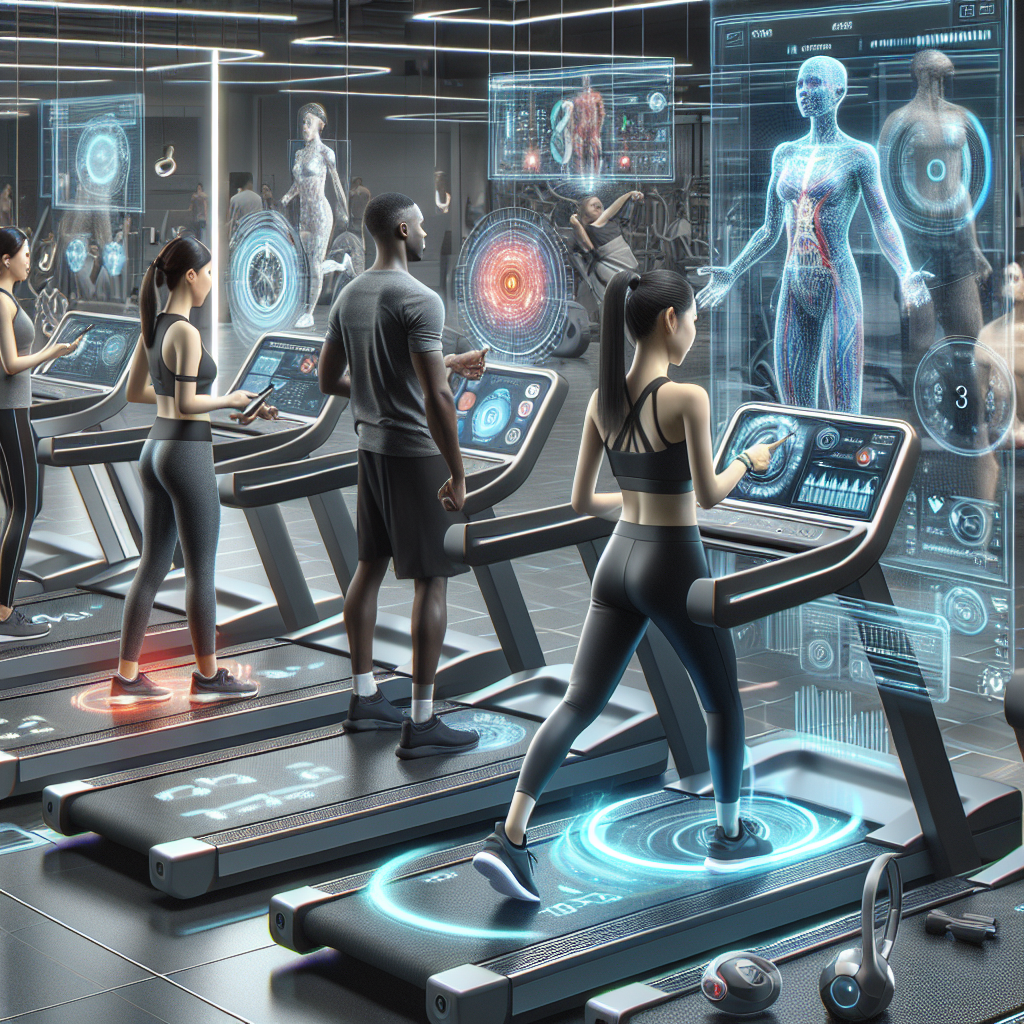
The convergence of technology and fitness is not just a trend but a significant movement with the potential to transform lives. Traditional gyms and workout routines are being supplemented by high-tech innovations that offer users more personalized and effective ways to achieve their health goals. From wearable sensors that track every physiological metric to virtual trainers using artificial intelligence, the future of fitness is here, and it’s more accessible than ever.
This article delves into the world of tech-enabled fitness, exploring the latest innovations from Silicon Valley that are reshaping how we stay fit. Whether you’re a tech enthusiast, a fitness buff, or someone looking to improve their health, there’s something revolutionary that can aid you on your journey. Let’s take a closer look at the leading innovations driving this transformation.
Wearable Fitness Technology
One of the most notable advancements in fitness technology is the proliferation of wearable devices. From Fitbit and Apple Watch to more specialized equipment like heart rate monitors and sleep trackers, wearables have become a cornerstone of modern fitness. These devices provide real-time data that helps individuals monitor and optimize their physical activities, ensuring that they hit their fitness targets with precision.
Wearable fitness technology is much more than just a step counter. Advanced wearables offer insights into heart rate variability, blood oxygen levels, and even stress measurements. They continuously collect data, which can be analyzed to provide actionable recommendations tailored to each user’s unique needs. This personalized approach empowers users to make healthier choices, adjust their workouts, and even catch early warning signs of potential health issues.
Beyond personal use, wearable fitness technology is also making waves in professional sports. Athletes and coaches rely on these devices to gain a competitive edge, using the data to fine-tune performance, monitor recovery, and prevent injuries. As technology continues to evolve, there’s no telling how sophisticated these wearables will become, but one thing is clear: they are revolutionizing how we approach fitness and health.
AI and Virtual Personal Trainers
Artificial intelligence (AI) and machine learning have infiltrated every corner of our lives, and the fitness industry is no exception. Virtual personal trainers powered by AI are becoming increasingly popular, providing users with personalized workout plans, real-time feedback, and motivational support. These virtual trainers are accessible through smartphones, tablets, and even smart TVs, making high-quality training sessions available at home, at the gym, or on the go.
Using sophisticated algorithms, AI trainers can analyze a user’s fitness level, preferences, and progress, continuously adjusting workout plans to maximize effectiveness. They propose exercises specifically designed to meet individual goals – whether it’s building muscle, losing weight, or improving cardiovascular health. Furthermore, these platforms can adapt in real-time, modifying exercises based on immediate feedback to prevent injuries and ensure optimal performance.
Companies like Peloton have capitalized on this trend, blending AI with live classes and community features to keep users engaged and motivated. The result is a comprehensive fitness experience that combines the best of personal training with the flexibility and accessibility of technology. As AI continues to advance, we can expect virtual trainers to become increasingly intuitive and tailored to individual needs, making fitness more personalized than ever before.

Virtual and Augmented Reality Fitness
Virtual reality (VR) and augmented reality (AR) are transforming the fitness landscape by creating immersive exercise experiences that make workouts more enjoyable and engaging. VR and AR platforms offer an array of interactive fitness programs that transport users to different worlds, allowing them to run through exotic locations, take part in virtual sports, or engage in gamified exercises.
Examples include VR applications like Supernatural and Beat Saber, which combine physical activity with the immersive experience of virtual environments. Users can exercise in scenic landscapes or futuristic arenas, adding an element of entertainment to their fitness routines. These VR workouts are not just about having fun; they’re designed to provide a full-body workout, helping to improve endurance, strength, and coordination.
AR, on the other hand, integrates digital elements into the real world, enhancing traditional workouts. Apps like AR Runner turn any space into an obstacle course, overlaying challenges and goals onto physical environments. This not only makes exercising more engaging but also encourages users to explore their surroundings and add variety to their routines. With continuous advancements in AR and VR technology, we’re likely to see even more innovative ways to merge fitness and immersive experiences.
Smart Home Fitness Equipment
With more people opting to work out at home, smart home fitness equipment has seen a significant rise in popularity. These devices combine cutting-edge technology with traditional exercise equipment to create highly efficient and effective home workouts. Products like Peloton bikes, Mirror, and Tonal offer interactive, on-demand classes, real-time feedback, and personal training that rival the experiences found in high-end gyms.
The Peloton bike, for instance, provides a connected fitness experience with live and on-demand cycling classes led by professional instructors. The bike’s built-in screen displays metrics, leaderboards, and interactive features that keep users motivated and accountable. Mirror, a sleek, wall-mounted device, transforms into a fitness studio with various classes such as yoga, boxing, and strength training, all led by certified trainers.
Tonal takes it a step further by incorporating AI to customize weightlifting programs. Its digital weight system adapts to the user’s strength and progression, offering a personalized and efficient strength training experience. Smart home fitness equipment brings the convenience and flexibility of gym-quality workouts into the comfort of one’s home, making it easier for individuals to stay consistent with their fitness routines.
Nutritional Tech Innovations
Fitness isn’t just about exercise; nutrition plays a crucial role in achieving health goals. Silicon Valley is also making significant strides in nutritional technology, offering innovative solutions to help individuals manage their diets and optimize their nutrition. From smart kitchen appliances to AI-driven meal planning apps, technology is making it easier to eat healthier and maintain a balanced diet.
Companies like NutriBullet and Vitamix have introduced smart blenders that connect to apps, providing users with personalized smoothie recipes based on their nutritional needs and preferences. These blenders can track ingredients, monitor nutrient intake, and suggest adjustments to ensure users meet their dietary goals. Similarly, smart kitchen scales provide precise measurements and nutritional information for various ingredients, helping users make informed decisions about their meals.
Meal planning apps like Noom and MyFitnessPal leverage AI to create customized meal plans and track food intake. These apps offer insights into calorie consumption, macronutrient distribution, and overall diet quality, empowering users to make healthier choices. With the help of intuitive interfaces and comprehensive databases, users can easily log their meals, monitor their progress, and receive personalized recommendations to stay on track.
Conclusion
Silicon Valley’s innovation ecosystem continues to push the boundaries of what’s possible in the realm of health and fitness. From cutting-edge wearables to immersive VR workouts, the fusion of technology and fitness is reshaping how we approach our well-being. These innovations are not just about convenience or novelty; they are about providing personalized, effective, and engaging ways to achieve and maintain optimal health.
The future of tech-enabled fitness looks promising, with advancements in AI, VR, AR, and smart home equipment paving the way for more accessible and enjoyable fitness experiences. As these technologies become increasingly sophisticated and integrated into our daily lives, they hold the potential to improve our physical and mental health, making it easier for everyone to lead healthier lifestyles.
Whether you’re a seasoned fitness enthusiast or someone just starting their health journey, there’s no denying that technology is playing a significant role in shaping the future of fitness. Embracing these innovations can help you stay motivated, monitor your progress, and ultimately achieve your fitness goals more effectively. Silicon Valley’s tech-enabled fitness revolution is here to stay, and it’s an exciting time for anyone looking to enhance their health and well-being.