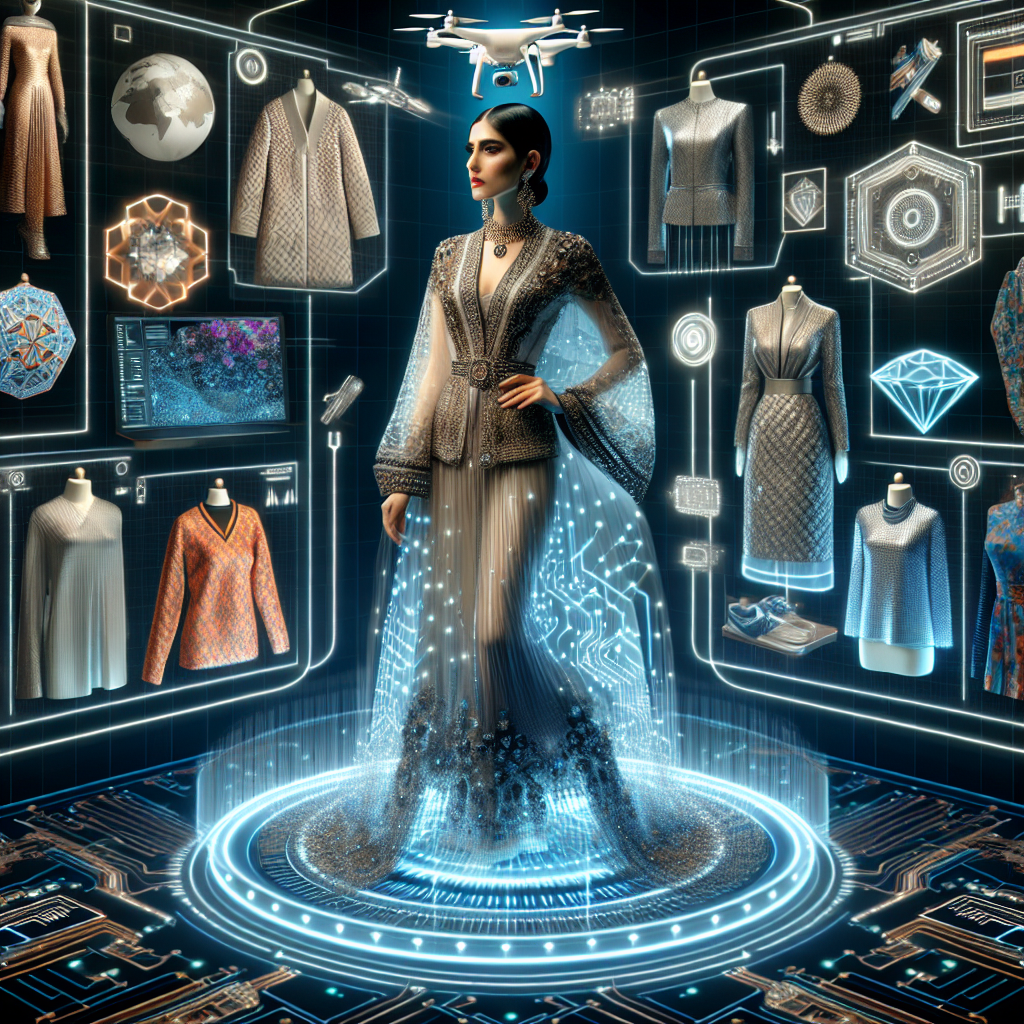
In an era where technology infiltrates nearly every aspect of our lives, the fashion industry is no exception. The synergy between Silicon Valley and the fashion world has given rise to a new wave of innovations, transforming everything from design and production to distribution and retail. The fashion industry, with its need for speed, creativity, and consumer connection, presents a fertile ground for tech startups eager to disrupt traditional models. The influence of Silicon Valley is evident in the increasing use of AI, machine learning, and data analytics in fashion.
This marriage of fashion and technology isn’t just about creating flashy gadgets or futuristic fabrics; it’s about redefining how we experience fashion. The advent of smart textiles, 3D printing, and virtual reality is setting new standards for both designers and consumers. We are now entering an era where garments can monitor our health, change colors on demand, and be custom-fitted with the touch of a button. Such breakthroughs are a testament to how Silicon Valley’s tech innovations are driving substantial changes in the way fashion is conceived, produced, and consumed.
Moreover, platforms leveraging big data algorithms are empowering brands to predict trends, understand consumer behavior, and optimize supply chains. From start-ups in garages to tech giants, the pursuit of integrating technology into fashion has sparked a revolution that sees no sign of slowing down. This article explores how tech innovations spearheaded by Silicon Valley startups are reshaping the fashion industry, unveiling a future where technology and style are inextricably linked.
The Rise of Smart Textiles
At the heart of tech-driven fashion lies the development of smart textiles. These are fabrics embedded with digital components and electronics that provide added value beyond traditional garments. Imagine a shirt that can monitor your heart rate and send real-time health data to your smartphone, or a jacket that adjusts its temperature based on the weather. These innovations are no longer sci-fi fantasies; they are real products developed by startups rooted in Silicon Valley.
A prime example is the collaboration between Levi’s and Google ATAP to create the Jacquard. This project integrates touch and gesture interactivity into textiles, allowing wearers to control their devices directly from their clothing. The Jacquard represents just the beginning of a wave of smart clothing that aims to enhance user experiences seamlessly.
Another significant player is Hexoskin, a company that has created health tracking wearables embedded in t-shirts. These smart textiles not only measure metrics like heart rate and breathing rate but also provide insights to help improve athletic performance and overall health. Such innovations exemplify how the convergence of technology and textiles can push the boundaries of functional fashion.
With advancements in nanotechnology and conductive fibers, the potential for smart textiles is seemingly limitless. As more research and development invest in this space, we can expect our clothes to become more than mere fashion statements. They will become integral gadgets that enhance our daily lives, adding a layer of intelligence to what we wear.
3D Printing: Revolutionizing Fashion Design
3D printing, a technology that first gained prominence in the manufacturing sector, is now making waves in the fashion industry. This technology allows designers to create complex patterns and structures that were previously impossible or too costly with traditional methods. The ability to print textiles directly into any shape and size has opened up a realm of possibilities for fashion designers.
Silicon Valley startups like Continuum and DressX are pioneering the use of 3D printing to create customizable and sustainable fashion pieces. By utilizing 3D printing, designers can produce garments on-demand, reducing waste and promoting sustainable practices. This approach challenges the traditional inventory-based retail model, offering a more eco-friendly and efficient alternative.
Another notable example is the work of designer Danit Peleg, who famously created the first-ever entirely 3D-printed fashion collection. Her work demonstrates how 3D printing can democratize fashion design, allowing anyone with access to a 3D printer and software to experiment and create their own clothes from home.
The impact of 3D printing on fashion goes beyond sustainability and creativity. It also heralds a new era of personalization, where consumers can become co-creators of their fashion pieces. As technology evolves, we can expect a future where bespoke orders are the norm, with garments tailored with precision to individual tastes and measurements.
AI and Machine Learning in Fashion
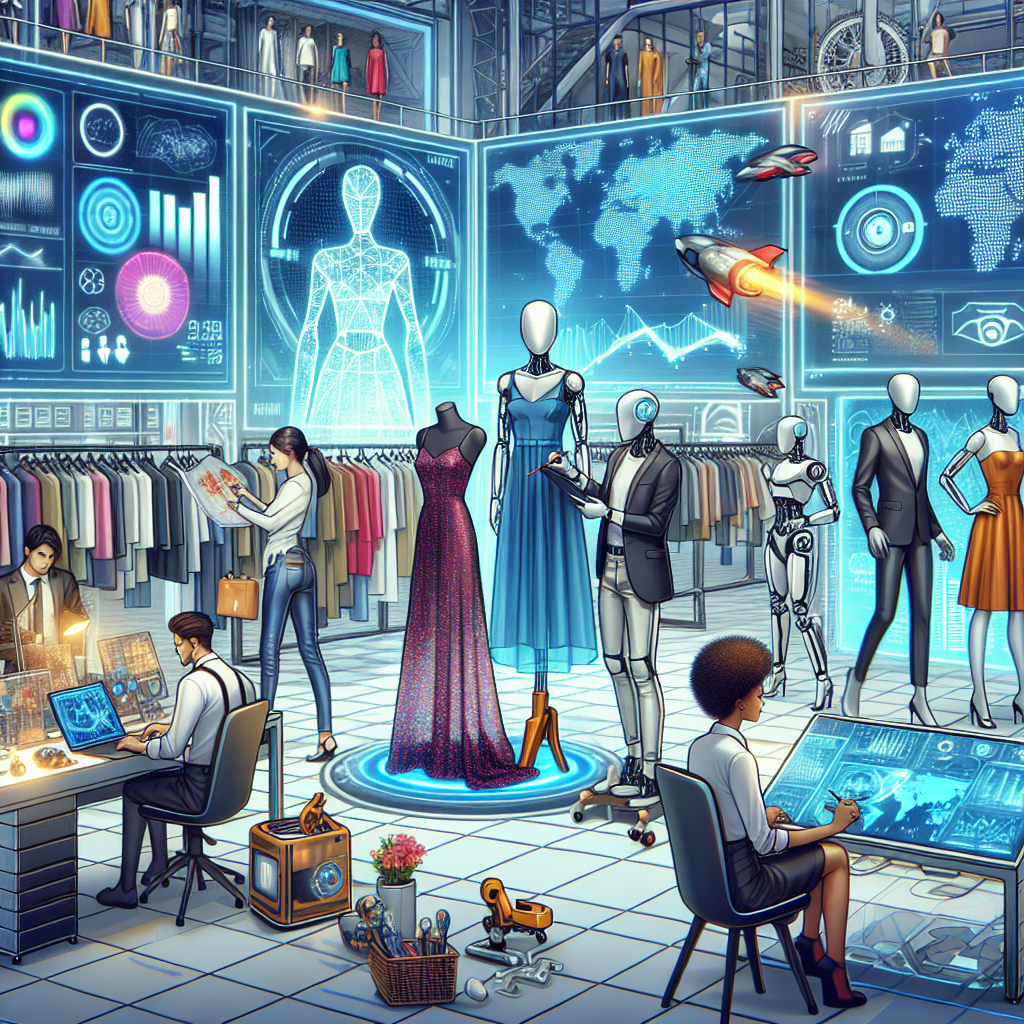
Artificial Intelligence (AI) and machine learning are reshaping the fashion landscape by offering unprecedented insights into consumer behavior, trend forecasting, and inventory management. Silicon Valley tech firms are leading this charge, developing algorithms that can predict fashion trends with stunning accuracy.
Startups like Stitch Fix utilize AI to provide personalized fashion recommendations to their customers. By analyzing vast amounts of data, including purchase history and customer preferences, Stitch Fix’s algorithms can curate personalized wardrobes, enhancing customer satisfaction and minimizing returns.
Additionally, companies like Moda Operandi are harnessing AI to forecast trends and optimize inventory. By analyzing data from social media, runway shows, and historical sales, AI can predict which styles will be trending, helping brands stock the right products and reduce overproduction. This predictive power is invaluable, especially in an industry where trends can quickly come and go.
Moreover, AI-powered chatbots and virtual assistants are revolutionizing customer service in the fashion industry. Brands like H&M and Sephora are using AI chatbots to assist customers, offering styling advice, answering queries, and even facilitating purchases. These AI-driven tools enhance the shopping experience by providing instant assistance and personalized interactions.
As AI and machine learning continue to advance, their applications in fashion will likely expand, offering even deeper insights and driving more personalized, efficient, and sustainable practices across the industry.
Virtual Reality and Augmented Reality: The Future of Retail
Virtual Reality (VR) and Augmented Reality (AR) are emerging as transformative technologies in the fashion retail landscape. They offer immersive and interactive experiences that can significantly enhance how consumers shop and interact with brands. Silicon Valley startups are at the forefront of developing VR and AR solutions for the fashion industry, driving a new era of retail innovation.
One notable startup, Obsess, uses VR to create virtual stores where customers can explore and shop as if they were inside a physical retail space. These virtual stores provide a unique shopping experience, complete with lifelike product displays and interactive features that mimic the experience of browsing in a brick-and-mortar store from the comfort of home.
On the AR front, apps like ARKit and IKEA Place allow customers to visualize how clothes or furniture would look in their own space before making a purchase. Try-before-you-buy AR apps are becoming increasingly popular, enabling users to virtually try on clothes, see how different styles might look on them, and make more informed purchasing decisions.
Moreover, brands like Gucci and Nike are leveraging AR to enhance their customer engagement strategies. For instance, Gucci’s innovative AR app enables users to try on virtual shoes using their smartphone cameras, blending the physical and digital shopping experience seamlessly. Similarly, Nike’s AR-powered SNKRS app offers virtual try-ons, exclusive content, and limited-edition releases, creating a sense of excitement and exclusivity among customers.
The potential of VR and AR in fashion retail is immense. By offering immersive and personalized experiences, these technologies can bridge the gap between online and offline shopping, expanding customer engagement and satisfaction in unprecedented ways.
Blockchain Technology in Fashion: Transparency and Authenticity
Blockchain, a technology synonymous with cryptocurrencies like Bitcoin, is now making inroads into the fashion industry. With its decentralized and immutable nature, blockchain offers potential solutions to some of the industry’s long-standing challenges, including transparency, counterfeiting, and sustainability.
One of the key applications of blockchain in fashion is ensuring the authenticity and traceability of products. Startups such as Provenance and Everledger are using blockchain to create digital records of a product’s journey from raw materials to the final consumer. This transparency helps combat counterfeiting and empowers consumers to make informed choices about the origins and sustainability of their purchases.
In addition to combating counterfeiting, blockchain can also play a crucial role in promoting sustainable practices. By tracking the lifecycle of garments, blockchain can provide valuable insights into the environmental impact of production processes, encouraging brands to adopt more sustainable practices.
Luxury fashion brands are also leveraging blockchain to enhance their brand integrity and customer trust. For instance, LVMH has partnered with ConsenSys and Microsoft to develop AURA, a blockchain platform that tracks the provenance and authenticity of luxury goods. This initiative allows customers to verify the authenticity and history of luxury items, fostering trust and accountability within the luxury market.
As the fashion industry continues to prioritize sustainability and ethical practices, the adoption of blockchain technology is expected to rise. By offering transparency, traceability, and authenticity, blockchain can help build a more responsible and trustworthy fashion ecosystem.
Conclusion: The Future of Tech-Driven Fashion
The confluence of Silicon Valley’s technological prowess and the creative spirit of the fashion industry is driving a transformative era of tech-driven fashion. From smart textiles and 3D printing to AI, VR, AR, and blockchain, technology is reshaping every facet of the fashion landscape, offering new possibilities and addressing long-standing challenges.
As we look to the future, the fashion industry is poised for even more innovation and disruption. The integration of advanced technologies promises not only to enhance the functionality and customization of fashion but also to promote sustainability, transparency, and ethical practices. With Silicon Valley startups leading the charge, the fashion industry stands on the brink of a new frontier, where technology and style converge to create a smarter, more sustainable, and more engaging fashion experience.
As consumers, we can expect our wardrobes to become more intelligent and our shopping experiences more immersive. From garments that monitor health to virtual stores that offer lifelike shopping interactions, the next generation of fashion will be defined by the seamless integration of technology. The journey of tech-driven fashion is just beginning, and it promises to revolutionize how we perceive, interact with, and consume fashion in the years to come.