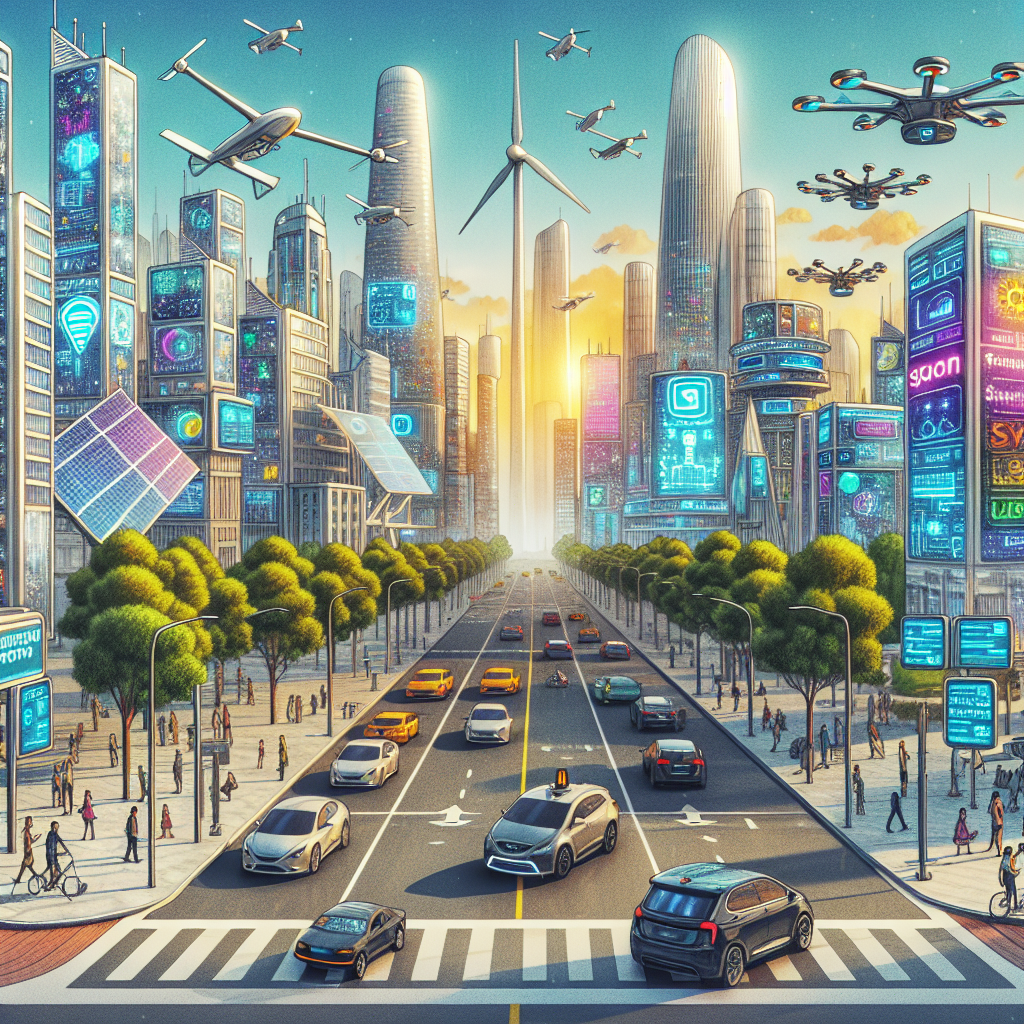
By harnessing the power of technology and innovation, Silicon Valley is transforming the concept of urban living, shaping cities into smarter, more sustainable, and future-ready environments.
Introduction
Silicon Valley, located in the southern part of the San Francisco Bay Area, has long been recognized as the global hub of technology innovation and startups. From the inception of personal computing to the age of the internet and the modern-day advent of artificial intelligence, this region has played a critical role in shaping our technological landscape. However, one of the current trends pushing Silicon Valley into the future is the idea of Smart Cities.
Smart Cities use technology to enhance the quality of urban life. They integrate the Internet of Things (IoT), artificial intelligence (AI), and big data analytics to revolutionize how cities operate. The aim is to create an environment where technology not only makes life more convenient but also resolves issues such as traffic congestion, energy consumption, and public safety. In this article, we delve into Silicon Valley’s vision for smart urban living, exploring its innovative practices, success stories, and the broader impact on society.
What are Smart Cities?
Smart cities are urban areas that employ various types of electronic data collection sensors to supply information which is used to manage assets and resources efficiently. These include data collected from citizens, devices, and assets that is then processed and analyzed to monitor and manage traffic and transportation systems, power plants, water supply networks, waste, crime detection, information systems, schools, libraries, hospitals, and other community services.
By utilizing IoT, smart cities connect various components through digital systems. These systems facilitate real-time and efficient operations management while enhancing the optimization of resources. Technologies like 5G connectivity, AI-driven traffic control systems, and smart grids for power distribution are among the numerous innovations transforming urban areas into smart cities.
In essence, a smart city integrates technology and data to improve the quality of life for its residents, make the urban environment more habitable, and contribute to national economic growth.
Driving Forces: Key Technologies in Smart Cities
One of the core elements driving the conceptualization and realization of smart cities is the relentless advancement of technology. Here are some pivotal technologies propelling this change:
- Internet of Things (IoT): The IoT is a network of interconnected devices that communicate and exchange data. In smart cities, IoT applications include smart lighting, smart waste management, and intelligent transportation systems. Sensors detect changes and activate necessary responses, optimally utilizing resources.
- 5G Connectivity: Faster and more reliable internet is less of a luxury and more of a necessity for smart cities. 5G technology ensures high-speed internet, leading to smoother operations in everything from telemedicine to real-time traffic updates.
- Artificial Intelligence (AI): AI systems enable cities to predict patterns and scenarios, thus providing pre-emptive solutions. For instance, smart traffic lights use AI to predict traffic flow and adjust signals accordingly, reducing wait times and emissions.
- Big Data and Analytics: The massive volume of data produced daily in an urban environment is useless without proper analysis. Big data analytics processes this information to offer insights and trends, aiding in better decision-making and strategic planning.
Silicon Valley’s Innovations in Smart City Solutions
Silicon Valley remains at the forefront of smart city solutions through its relentless focus on innovation and entrepreneurship. Here are some examples of innovative approaches developed in this tech hub:
Google’s Sidewalk Labs: An Alphabet subsidiary, Sidewalk Labs is focused on urban innovation. They are working on several projects aimed at transforming urban environments by integrating cutting-edge technology with urban design.
Palo Alto Smart Grid: The city of Palo Alto has implemented one of the first smart grids in the country. This system uses digital communication technology to detect and react to local changes in usage, effectively balancing the supply and demand of electricity.
Real-Time Crime Mapping: Silicon Valley-based startups are creating computational forensic tools. For example, a company named PredPol uses predictive analytics to map out areas where crimes are most likely to occur, thereby allowing law enforcement to be more proactive.
Autonomous Vehicles: Companies like Tesla, Waymo, and Uber have been testing and rolling out autonomous vehicles. These self-driving cars depend on a variety of sensors and AI to navigate, promising a future where traffic accidents and congestion are significantly reduced.
Case Study: Smart City Initiatives in San Francisco
San Francisco, an integral part of the Silicon Valley ecosystem, has implemented several smart city initiatives that serve as a blueprint for other cities worldwide:
SFpark: This project uses smart meters and sensors to monitor parking space availability in real-time. Residents and visitors can use a mobile app to find available parking spots, reducing the amount of time spent searching for a space and thus alleviating traffic congestion.
Connected Corridors: This initiative aims to create a centralized traffic management system to optimize the flow of vehicles. By integrating real-time data on traffic conditions, this system helps in reducing congestion and improving emergency response times.
Green Infrastructure: San Francisco is doubling down on sustainability through green urban infrastructure, which includes permeable surfaces, green roofs, and other systems designed to manage stormwater runoff and reduce pollution.
Climate Action Plan: The city’s Climate Action Plan is designed to reduce greenhouse gas emissions to 40% below 1990 levels by 2030, and ultimately achieve net-zero emissions by 2050. Technology is a critical enabler in achieving these eco-friendly goals.
Social and Economic Impacts of Smart Cities
While the technological advancements in smart cities promise numerous benefits, it’s also essential to understand their social and economic impacts:
- Job Creation: The development and maintenance of smart city infrastructure create numerous jobs in tech, construction, and various other sectors. However, there’s also a need for upskilling the workforce to fill these new roles.
- Quality of Life: Smart cities lead to a better quality of life for their residents. From reduced travel times due to efficient traffic systems, to enhanced public safety through improved surveillance technology, the everyday lives of citizens benefit significantly.
- Economic Growth: The efficiency and innovation in smart cities spur local and national economies, attracting investment and improving competitiveness on the global stage.
- Privacy Concerns: With increased data collection comes concerns about privacy and surveillance. It is crucial to implement stringent data protection policies to ensure residents’ information remains secure.
- Digital Divide: Not all residents may have equal access to the technology that smart cities rely on. Bridging this digital divide is essential to ensure that the benefits of smart cities are broad-based and inclusive.
Challenges and Solutions in Implementing Smart Cities
Despite the number of advantages, implementing smart cities comes with its own set of challenges:
Funding: Establishing a smart city requires significant investment. While public-private partnerships can provide some relief, the high costs often make such projects daunting. Governments must strategize to efficiently allocate resources or seek alternative funding mechanisms like grants and foreign investments.
Infrastructure: Many existing urban areas have outdated infrastructure that requires extensive renovation. Retrofitting old systems to support modern technologies can be both technically and financially challenging.
Interoperability: Different technologies and platforms need to communicate seamlessly, but differing standards can lead to compatibility issues. Promoting standardization can help to alleviate this problem.
Regulation: Regulatory frameworks often lag behind technological advancements. Updating regulations to keep pace with innovation is paramount for the smooth adoption of smart city technologies.
Public Acceptance: The success of smart cities hinges on public acceptance. Clear communication of benefits, coupled with consumer-friendly approaches, are essential for gaining widespread support.
Conclusion
Silicon Valley’s vision for smart cities signifies a bold leap into the future of urban living. The region continues to drive innovation, setting the standard for what modern cities can achieve through technology. Solutions like AI-driven traffic management, IoT-enabled waste management, and autonomous transportation are gradually turning once futuristic dreams into reality.
However, the journey towards fully realizing smart cities does not come without its challenges. Issues related to funding, infrastructure, and regulation must be thoughtfully addressed. Moreover, ensuring that the deployment of these technologies benefits all sections of society while safeguarding data privacy remains crucial.
Ultimately, the evolution of smart cities, backed by the pioneering spirit of Silicon Valley, has the potential to significantly improve the urban living experience. By promoting efficacy, sustainability, and quality of life, smart cities aim to meet the complex demands of modern-day urban dwellers. As these initiatives unfold and technology continues to advance, one thing remains certain: the future of urban living is brighter, smarter, and more interconnected than ever before.