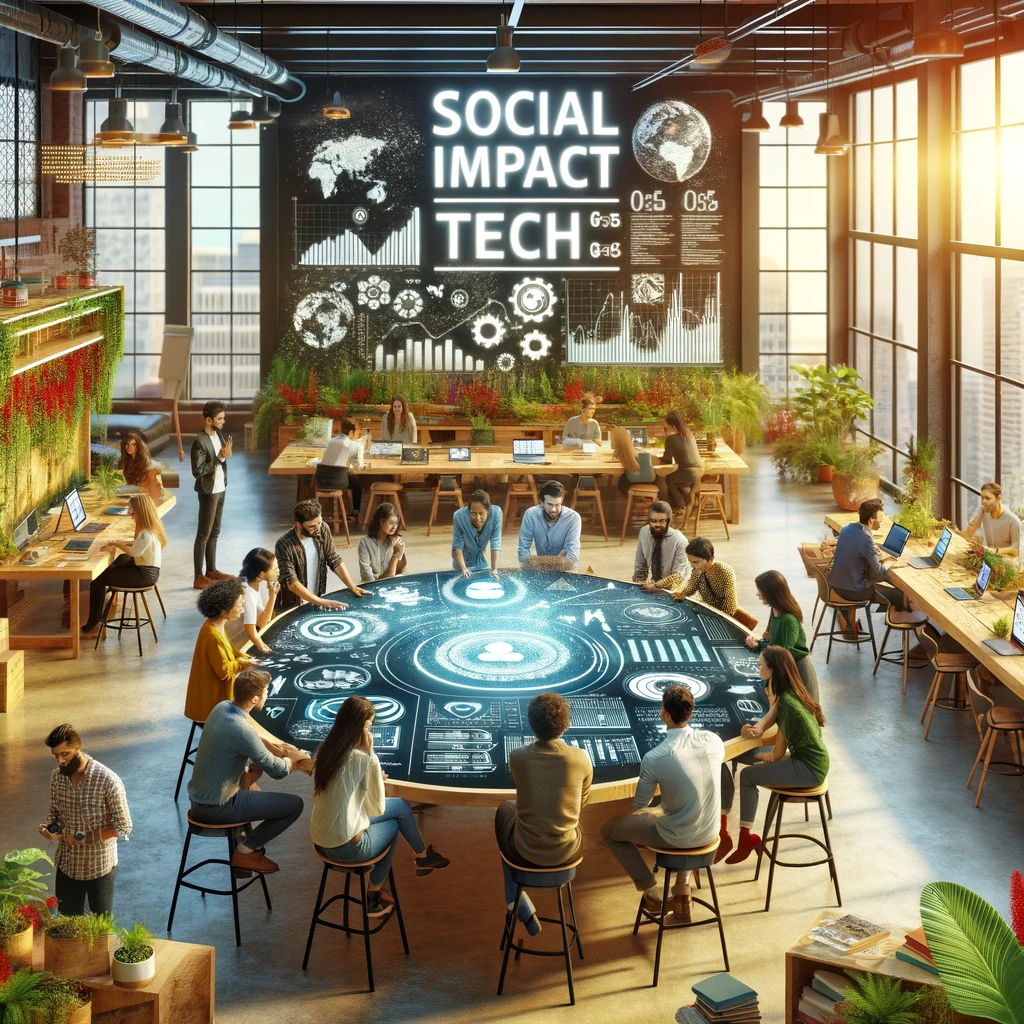
In recent years, Silicon Valley has become synonymous with cutting-edge technology and entrepreneurship. However, beyond its role as a global tech hub, the region is also at the forefront of harnessing technology for social good. A growing number of startups in the area are focusing on creating solutions that address significant societal challenges, such as environmental sustainability, education, healthcare, and economic inequality. This article delves into the landscape of these socially impactful startups, highlighting their innovations, the challenges they face, and the future they are shaping.
The Rise of Social Impact Startups
The concept of ‘tech for good’ is not entirely new, but it has gained substantial momentum in Silicon Valley over the past decade. As public awareness and investor interest in sustainable and ethical business practices have grown, more entrepreneurs are motivated to tackle social issues through technology. This shift is partly driven by changing consumer preferences, especially among younger demographics who favor companies with a strong commitment to social responsibility.
Spotlight on Innovative Solutions
Several Silicon Valley startups stand out for their innovative approaches to solving social problems. For instance, companies are developing AI-driven platforms to enhance educational outcomes, using big data to optimize renewable energy usage, or creating affordable medical technologies that can be easily accessed in underprivileged areas.
One notable example is a startup that has developed an AI-based application to help farmers in developing countries predict crop yields more accurately, thus increasing food production efficiency. Another startup has created a wearable device that monitors patients’ health conditions remotely, thereby improving access to healthcare services for those living in remote regions.
Challenges on the Road
Despite their noble intentions, social impact startups face a unique set of challenges. Funding can be a significant hurdle since these enterprises often target less profitable markets or focus on long-term gains rather than immediate financial returns. As a result, attracting investment requires convincing investors of the sustainable value beyond conventional profit metrics.
Moreover, these startups frequently operate in highly regulated sectors like healthcare and education, where navigating legal complexities can be daunting. They must also continuously prove the efficacy and safety of their innovations, which can be resource-intensive.
Collaborative Ecosystems and Support Networks
To overcome these obstacles, many social impact startups in Silicon Valley rely on a robust ecosystem of support. This includes incubators and accelerators dedicated to social entrepreneurship, venture capital funds focused on social impact investments, and networks of mentors and advisors well-versed in the intersections of technology and social change.
For example, organizations such as the Social Capital Partnership and ImpactTech have become crucial in connecting socially-minded startups with the resources they need to scale their operations and increase their impact. These networks not only provide financial support but also offer valuable advice on product development, market fit, and regulatory compliance.
The Future of Tech for Good
Looking ahead, the future of social impact startups in Silicon Valley appears promising. As technology continues to advance, the potential to address more complex and entrenched social issues grows. Moreover, the increasing commitment of tech giants to ethical practices and sustainability is likely to further fuel innovation in the sector.
Additionally, there is a growing trend towards collaborative efforts between tech startups, non-profit organizations, governments, and international agencies. These partnerships are expected to enhance the scalability and effectiveness of tech-driven social interventions, paving the way for a more sustainable and equitable global society.
Silicon Valley’s ‘tech for good’ movement showcases the potential of technology to drive significant social change. While the path is fraught with challenges, the resilience and innovative spirit of startups in the region are creating impactful solutions that extend far beyond profit-making. As this ecosystem continues to evolve, it holds the promise of transforming lives and industries by integrating social consciousness with technological innovation.
In an era where technology influences almost every aspect of our lives, Silicon Valley’s focus on developing technology for social good not only reshapes the business landscape but also redefines the role of innovation in building a better world.

Bridging Technology and Community Needs
In Silicon Valley, the connection between technological advancements and community needs has become increasingly significant. Startups are becoming more adept at identifying gaps where technology can play a transformative role, especially in under-served or overlooked areas. By focusing on these areas, startups are not only innovating but are also ensuring that their innovations reach those who might benefit the most.
Examples of Community-Focused Innovations
One inspiring example is a startup that has developed a mobile app designed to connect surplus food from restaurants and supermarkets with food banks and shelters. This solution not only helps reduce food waste but also addresses the critical issue of hunger in urban and rural communities alike. Another startup has introduced a platform that facilitates microloans to small business owners in low-income regions, using digital transactions to bypass traditional banking hurdles and empower local entrepreneurs.
Overcoming Barriers through Technology
These startups are particularly adept at overcoming barriers that have traditionally hindered the provision of services in less accessible areas. By leveraging technologies like mobile connectivity, cloud computing, and data analytics, they are able to bring services and products to markets that were previously considered unreachable. This not only expands their impact but also showcases the scalability of their solutions across different regions and demographics.
The Role of Education and Outreach
Education plays a pivotal role in the success of social impact startups. By educating potential users about the benefits of their products and services, startups not only build a customer base but also foster a deeper understanding and acceptance of their solutions. Outreach programs, workshops, and partnerships with local institutions are common strategies employed to engage communities and raise awareness about the available technological solutions.
Sustainability and Ethical Considerations
As these startups scale, sustainability and ethical considerations become increasingly important. The balance between rapid technological development and responsible innovation is crucial. Many Silicon Valley startups are setting standards for ethical practices in technology development, including transparency in data usage, protecting user privacy, and ensuring that their products do not exacerbate social inequalities.
Encouraging a Culture of Social Responsibility
Silicon Valley is also witnessing a cultural shift towards greater social responsibility within the tech community. This is evident from the number of tech employees advocating for corporate policies that prioritize social impact alongside financial performance. The pressure from within these organizations can lead to significant changes in how companies operate, further promoting social responsibility across the industry.
The Global Influence of Silicon Valley’s Social Impact Startups
The influence of Silicon Valley’s social impact startups extends well beyond the borders of the United States. Many of these companies are already collaborating with international partners to adapt their technologies for global use. This global perspective not only enhances their impact but also provides valuable insights into how different cultures and economies interact with new technologies.
Looking to the Future: Challenges and Opportunities
As the landscape of social impact startups continues to evolve, new challenges and opportunities emerge. One of the major challenges is the need for continuous innovation to keep up with changing technological and social landscapes. However, this also presents an opportunity to drive more focused and effective solutions tailored to specific social issues.
The potential for technology to make a meaningful difference in society has never been greater, and Silicon Valley’s startups are at the forefront of this movement. By continuing to innovate with purpose and responsibility, these enterprises will not only transform industries but will also contribute to a more equitable and sustainable world.
Conclusion
The journey of social impact startups in Silicon Valley is a testament to the power of technology used for good. With continued support, collaboration, and innovation, these startups are set to redefine the future of tech and its role in society. The emphasis on combining profit with purpose is not just a trend but a robust business strategy that other industries could look to emulate. Silicon Valley remains a beacon of hope and a leader in demonstrating that technology, when developed and used thoughtfully, can indeed be a force for good in the world.
References
- Social Capital Partnership
- ImpactTech Ventures
- AI for Good Global Summit Reports
- Renewable Energy Technology Conferences Summaries
- Global Health Technology Symposiums