Silicon Valley startups are reshaping sustainable food tech by applying software, biotechnology, robotics, and climate science to one of the world’s largest sources of emissions, waste, and resource use. In practical terms, sustainable food tech means technologies that help produce, process, distribute, or consume food with lower environmental impact while preserving nutrition, safety, affordability, and business viability. It includes precision fermentation for alternative proteins, AI systems that reduce farm inputs, marketplaces that cut food waste, and supply-chain tools that measure carbon intensity. I have worked with founders, operators, and product teams in this sector, and the pattern is clear: the strongest companies do not pitch technology alone. They solve a stubborn operational problem for growers, manufacturers, retailers, or consumers, then prove the economics.
This matters because food systems account for roughly a third of global greenhouse gas emissions when land use, farming, processing, transport, and waste are counted together. Agriculture also consumes about 70 percent of global freshwater withdrawals, while food loss and waste contribute methane and destroy margins across the value chain. Silicon Valley has become a focal point because it combines venture capital, engineering talent, research universities, cloud infrastructure, and a culture of rapid experimentation. The result is an unusually dense cluster of startups trying to make food production more precise, resilient, and less extractive. For readers exploring cutting-edge tech, this hub article maps the major categories, the business models, the limitations, and the signals that separate durable innovation from short-lived hype.
Why Silicon Valley Became a Launchpad for Sustainable Food Tech
Silicon Valley did not invent agricultural innovation, but it changed how quickly food technologies could be tested, financed, and scaled. A founder building a food-tech startup today can access AWS or Google Cloud for data infrastructure, contract research organizations for early lab work, design firms for pilot hardware, and specialized investors who understand marketplace dynamics, unit economics, and regulatory risk. Stanford, UC Berkeley, and UCSF supply talent in bioengineering, machine learning, chemistry, and operations. Just as important, the region normalized cross-disciplinary teams. A typical sustainable food tech company may have a computational biologist, a former CPG operator, a roboticist, and a climate scientist working on the same problem from day one.
The pressure on the industry is also economic, not only environmental. Drought raises irrigation costs. Fertilizer volatility hits growers and food brands. Scope 3 emissions reporting now affects procurement decisions for large companies. Retailers demand better forecasting to avoid spoilage. These conditions create a market for startups that can quantify savings and reduce risk. In my experience, buyers adopt new tools fastest when the pitch is framed around margin protection, labor reduction, compliance readiness, or yield stability. Sustainability opens the door, but measurable operational value closes the deal.
The Core Technology Categories Driving Growth
The sustainable food tech landscape in Silicon Valley falls into several distinct but overlapping categories. Alternative proteins remain the most visible. Plant-based companies use extrusion, flavor science, and ingredient innovation to replicate meat textures. Precision fermentation startups program microorganisms such as yeast to produce functional proteins, fats, enzymes, or flavor compounds with less land and water than conventional livestock systems. Cultivated meat companies grow animal cells in bioreactors, though they still face steep challenges around growth media costs, bioreactor scale, and regulatory complexity.
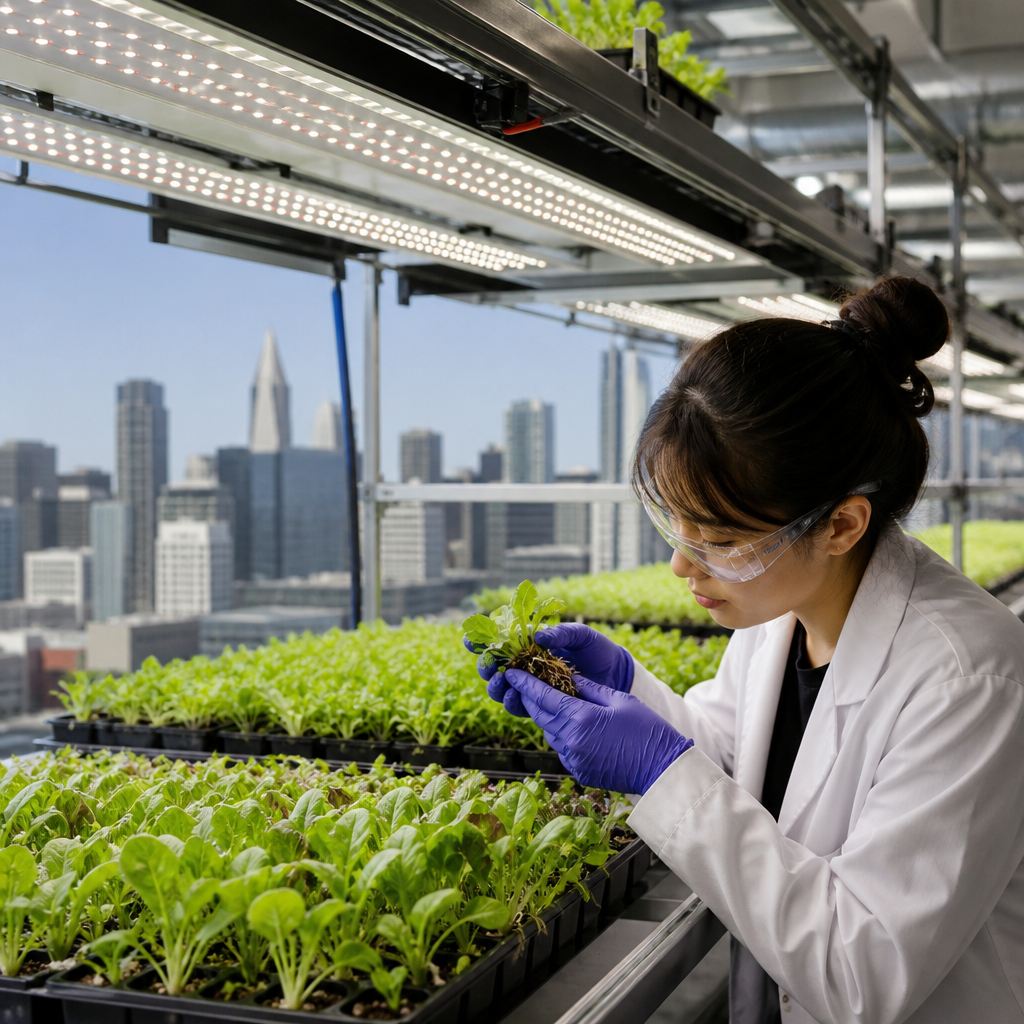
A second category is agricultural intelligence. These startups combine satellite imagery, IoT sensors, drones, and machine learning to optimize irrigation, detect crop stress, forecast disease pressure, or reduce nitrogen application. Tools from companies like Planet Labs have improved remote sensing inputs, while farm management software increasingly integrates weather, soil, and equipment data into one decision layer. Third, automation and robotics address chronic labor shortages. Vision-guided harvest robots, autonomous weeding systems, and packing-line inspection tools improve consistency and reduce waste. Fourth, supply-chain software focuses on traceability, emissions accounting, and waste reduction. These companies help food brands and retailers understand where losses occur and how supplier choices affect carbon intensity.
| Category | Typical Technology | Main Sustainability Benefit | Primary Adoption Barrier |
|---|---|---|---|
| Alternative proteins | Extrusion, fermentation, cell culture | Lower land, water, and emissions intensity | Cost parity and consumer acceptance |
| Ag intelligence | Sensors, satellite data, AI models | Reduced inputs and improved yields | Data integration and grower trust |
| Robotics | Computer vision, autonomous mobility | Lower labor pressure and less field waste | High capital cost and workflow fit |
| Supply-chain platforms | Traceability software, forecasting, carbon tools | Less spoilage and better sourcing decisions | Fragmented systems and poor data quality |
Alternative Proteins and Fermentation Beyond the Hype
No segment has attracted more attention than alternative proteins, and for good reason. Livestock production is resource intensive, especially beef. Startups such as Impossible Foods used heme-related flavor chemistry and process engineering to create products that reached mainstream retail and foodservice, proving that technical novelty can cross into mass distribution. Perfect Day showed that precision fermentation can produce dairy proteins without cows, opening applications in ice cream, cream cheese, and functional ingredients. These companies helped investors understand that food can be redesigned at the molecular level rather than merely substituted at the recipe level.
But the hard part begins after the headline. Sensory quality must hold up in blind taste tests. Ingredient costs must fall through scale, strain optimization, and downstream processing improvements. Regulatory review can slow launches, especially for novel ingredients or cell-based products. Manufacturing is often the biggest bottleneck. A startup can validate demand in a pilot run and still struggle when moving to commercial volumes because oxygen transfer, contamination control, and purification economics behave differently at scale. The most credible founders I meet talk less about disruption and more about process yield, capex intensity, and channel strategy. Those details determine whether sustainable food tech becomes a durable category or a niche premium product.
AI, Data, and Robotics Across the Food System
Artificial intelligence has become the connective tissue across modern food innovation. On farms, computer vision models identify weeds so robotic sprayers can target only unwanted plants, reducing herbicide use. In orchards, imaging systems estimate fruit counts before harvest, helping growers plan labor and sales contracts. In food manufacturing, AI-driven quality inspection flags defects faster than manual review and with better consistency. In retail and distribution, demand forecasting systems analyze promotions, weather, local events, and historical sales to predict inventory needs, cutting shrink on perishable items.
The reason these tools are gaining traction is that they convert messy biological processes into repeatable decisions. However, AI is only as good as the training data and operational context behind it. A disease-detection model trained in California lettuce fields may perform poorly in a different climate or crop variety. Robotic hardware can fail if it is not designed for mud, dust, washdown standards, or irregular produce geometry. I have seen promising demos collapse during procurement because the startup could not integrate with existing ERP, MES, or farm record systems. The winners are companies that pair strong models with deployment discipline: clear ROI, workable installation, and support teams that understand field conditions rather than just software metrics.
Waste, Traceability, and Climate Accountability
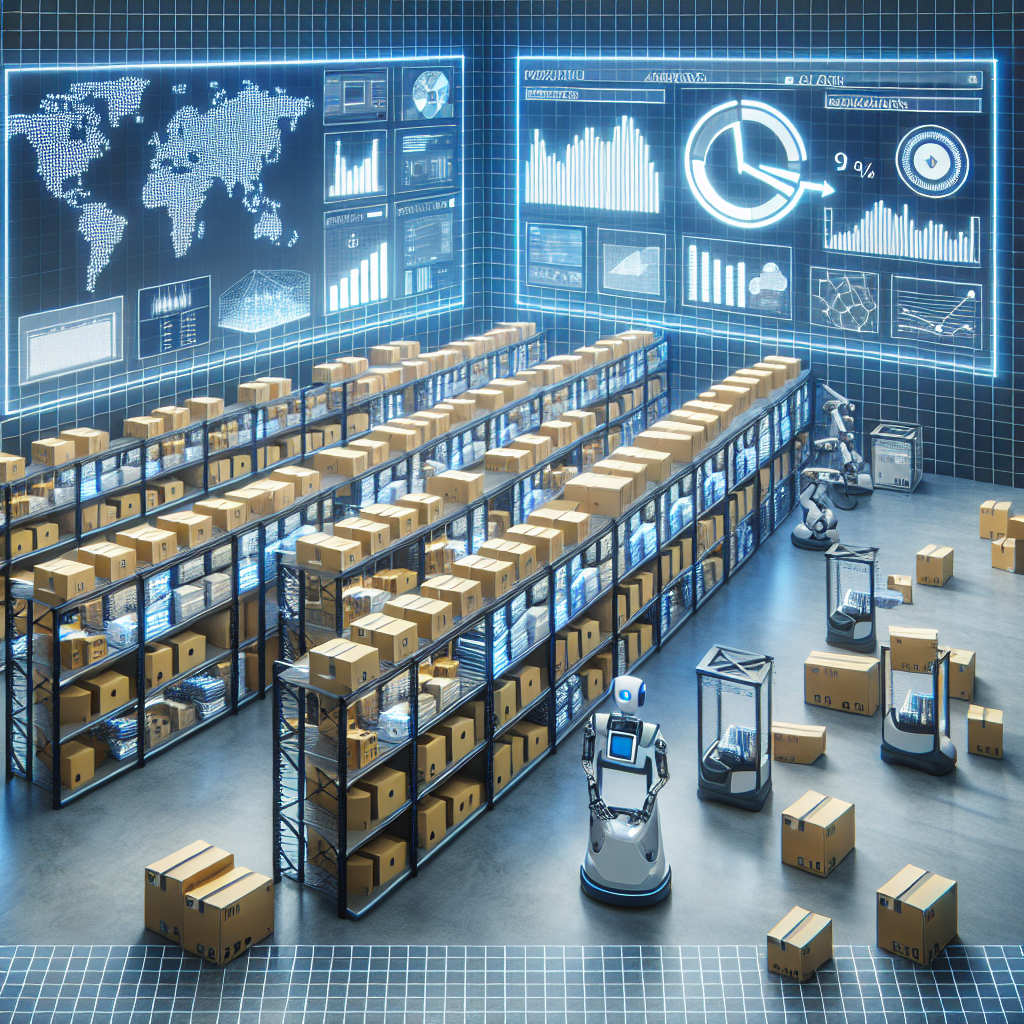
Some of the most scalable sustainable food tech companies are not inventing new foods at all. They are reducing losses in the existing system. Food waste platforms connect surplus inventory to secondary buyers, restaurants, or donation networks before products expire. Shelf-life prediction tools use temperature history, packaging data, and microbial models to improve replenishment decisions. Cold-chain monitoring sensors catch failures early, preventing spoilage in transit. These are often less glamorous than cultivated meat, but they can produce immediate environmental and financial returns because avoided waste saves the embedded water, energy, and labor already invested in the product.
Traceability has also moved from compliance checkbox to strategic capability. Regulations such as the FDA Food Safety Modernization Act traceability rule are pushing food businesses toward better recordkeeping, while major buyers increasingly ask suppliers for carbon and sourcing data. Startups are responding with platforms that link ingredient lots, supplier records, transport events, and emissions factors into a usable system of record. The challenge is credibility. Carbon accounting in agriculture still involves estimation, boundaries, and methodological choices. Strong platforms are transparent about assumptions, align with standards such as the GHG Protocol, and make audits easier rather than hiding uncertainty behind dashboards.
What Founders, Investors, and Buyers Should Watch Next
The next phase of Silicon Valley sustainable food tech will be defined less by grand promises and more by industrial execution. Capital has become more selective after years of easy funding, which is healthy for the sector. Investors now ask sharper questions about gross margin, payback periods, regulatory pathways, and manufacturing partnerships. Founders who can answer with evidence will still attract support. Expect growth in enabling infrastructure: biomanufacturing platforms, ingredient processing tools, food-grade robotics, and software that helps enterprises measure emissions and resilience across suppliers.
Buyers should watch for technologies that fit existing workflows and produce measurable improvements within one budgeting cycle. Founders should prioritize validation with real operators early, not just laboratory milestones. Readers following tech innovations and startups should view this space as a long-term transformation of the food system, not a single trend. The rise of Silicon Valley startups in sustainable food tech shows what happens when climate pressure, consumer demand, and deep technical capability converge on a massive industry. The opportunity is real, but durable progress belongs to companies that can prove performance at scale. If you are building, investing, or buying in this market, start by identifying one concrete inefficiency in your food value chain and evaluate the technologies now solving it.
Frequently Asked Questions
What is sustainable food tech, and why are Silicon Valley startups investing in it so aggressively?
Sustainable food tech refers to tools, platforms, and scientific innovations that reduce the environmental footprint of how food is grown, processed, transported, sold, and consumed. The goal is not simply to make food “greener,” but to improve the entire system in ways that lower emissions, reduce water and land use, cut waste, preserve biodiversity, and maintain nutrition, safety, affordability, and commercial scalability. In practice, this includes areas such as precision fermentation for alternative proteins, AI-driven farm and supply-chain optimization, robotics for harvesting and food processing, climate-smart ingredients, novel packaging, waste-to-value systems, and software that helps companies measure and improve sustainability performance.
Silicon Valley startups are heavily drawn to this sector because food sits at the intersection of massive market size and urgent climate pressure. The global food system is one of the largest contributors to greenhouse gas emissions and resource consumption, which means even modest efficiency gains can create outsized environmental and financial returns. For startup founders and investors, that combination is highly attractive: a giant incumbent industry, clear inefficiencies, strong consumer interest in healthier and more sustainable options, and growing pressure from regulators and large food companies to decarbonize operations.
Another reason Silicon Valley is well positioned here is its core strength in applying software, automation, and deep tech to old industries. Many food system challenges are data problems, logistics problems, biology problems, or manufacturing problems—all areas where startup models can move faster than traditional incumbents. Startups can test new protein production methods, build AI systems that predict crop stress, or design robotics that reduce labor intensity and waste in processing plants. In short, Silicon Valley is investing aggressively because sustainable food tech offers the rare combination of climate relevance, scientific defensibility, long-term consumer demand, and the potential to reshape a foundational global industry.
How are software, biotechnology, and robotics changing the sustainable food industry?
Software, biotechnology, and robotics are transforming sustainable food tech by making the food system more precise, efficient, and adaptable. Software is often the connective tissue. AI and advanced analytics can help farmers use less water, fertilizer, and pesticide by identifying exactly when and where inputs are needed. In manufacturing and distribution, software can forecast demand more accurately, optimize inventory, reduce spoilage, improve route planning, and help food brands track emissions across complex supply chains. These are not small improvements; in many cases, better visibility alone can reduce unnecessary waste and unlock major cost savings.
Biotechnology is playing an equally important role, especially in the development of new proteins, ingredients, and processing methods. Precision fermentation, for example, allows companies to use microorganisms to produce specific functional proteins or fats that traditionally come from animals. This can reduce pressure on land and water while creating ingredients with strong nutritional and performance characteristics. Other biotech applications include microbial inputs that improve soil health, shelf-life enhancements that reduce food waste, and crop innovations designed to be more resilient under climate stress. Startups in this space often combine biological discovery with software and automation to speed up research and commercialization.
Robotics adds another layer of impact by helping food businesses handle labor-intensive, repetitive, or physically demanding tasks with greater consistency. In agriculture, robotic systems can support precision weeding, harvesting, crop monitoring, and autonomous equipment management. In food processing and logistics, robotics can improve sorting accuracy, packaging efficiency, sanitation, and throughput. This matters for sustainability because better execution often means lower waste, more efficient energy use, and more stable production at scale.
Taken together, these technologies are moving the industry away from blunt, resource-heavy processes and toward smarter, more adaptive systems. The most successful startups tend to combine multiple disciplines rather than relying on one breakthrough alone. For example, a company may use biotechnology to create a sustainable ingredient, machine learning to optimize production, and robotics to scale manufacturing. That convergence is one of the defining characteristics of the current wave of food tech innovation.
Why is alternative protein such a major focus in Silicon Valley’s sustainable food tech ecosystem?
Alternative protein has become a major focus because protein production is one of the most resource-intensive and climate-sensitive parts of the global food system. Conventional animal agriculture requires significant land, water, feed, and energy, and it is associated with substantial greenhouse gas emissions. For Silicon Valley startups, this creates a clear opportunity: if they can develop protein products that match conventional options on taste, texture, nutrition, price, and convenience while reducing environmental impact, the market potential is enormous.
Within alternative protein, precision fermentation has gained particular attention because it offers a way to produce highly functional ingredients with a degree of control that traditional agriculture often cannot match. Startups can engineer microorganisms to produce proteins used in dairy, eggs, or other food categories, potentially enabling products that are familiar to consumers but less dependent on livestock systems. This approach is especially compelling to investors because it can create strong intellectual property, differentiated manufacturing capabilities, and partnerships with established food brands looking to innovate quickly.
Silicon Valley also favors alternative protein because it fits the startup playbook well. It is science-driven, scalable through process optimization, and often supported by measurable performance claims related to emissions, land use, and water consumption. It also benefits from adjacent capabilities in the region, including bioengineering talent, data infrastructure, and venture capital that is comfortable funding long development timelines for transformative technologies.
That said, the category is not succeeding on sustainability claims alone. Consumers still prioritize flavor, texture, price, trust, and ease of adoption. The startups with the strongest long-term prospects are those that understand alternative protein as a food business, not just a technology story. They must navigate regulation, manufacturing scale-up, consumer education, and market positioning while proving that sustainability can coexist with mainstream appeal. That challenge is precisely why the sector remains so dynamic and closely watched.
What are the biggest challenges facing sustainable food tech startups as they try to scale?
Sustainable food tech startups face a unique mix of technical, operational, regulatory, and market challenges. One of the biggest is the gap between prototype success and commercial-scale execution. A product or process may work beautifully in a lab or pilot facility, but scaling it to industrial volumes at consistent quality and competitive cost is a much harder problem. This is especially true in sectors such as precision fermentation, novel ingredients, and food manufacturing, where infrastructure is expensive and process reliability matters enormously.
Cost is another central challenge. Sustainability alone rarely guarantees adoption. Food companies and consumers are highly price sensitive, and many buyers will not switch unless the sustainable option is comparable in cost or delivers a clearly superior benefit. Startups therefore need to optimize unit economics early, secure reliable supply chains, and avoid becoming trapped in premium niche positioning unless that is part of a deliberate long-term strategy. Even strong technologies can struggle if they cannot find a viable route to affordability.
Regulation and trust also play major roles. Food is a highly sensitive category because it directly affects health and safety. Startups introducing new ingredients, biological processes, or manufacturing methods must meet stringent standards and often spend significant time educating regulators, enterprise customers, and consumers. Public perception can be equally important. If a product is seen as overly engineered, unclear in its benefits, or disconnected from consumer priorities, adoption may lag regardless of its environmental merits.
There are also go-to-market complexities that differ from typical software startups. Selling into agriculture, food manufacturing, or retail can involve long procurement cycles, conservative decision-makers, and integration with legacy systems. Building credibility often requires field trials, co-manufacturing partnerships, certifications, and evidence of performance under real-world conditions. In many cases, startups need both scientific excellence and deep industry relationships to move from pilot programs to durable revenue.
Ultimately, the hardest challenge is balancing ambition with practicality. The best sustainable food tech startups do not just promise disruption; they understand how to fit into a complicated food ecosystem and improve it step by step. Scale comes from disciplined execution, not from climate branding alone.
What should consumers, investors, and food industry leaders watch next in sustainable food tech?
The next phase of sustainable food tech will likely be defined less by broad excitement and more by proof of durability. For consumers, that means watching for products and services that deliver everyday value—not just environmental messaging. The winners will be the companies that make sustainable choices feel normal, convenient, and desirable through better taste, reliability, transparency, and pricing. Consumers should also expect to see more behind-the-scenes innovation, such as smarter supply chains, waste reduction tools, and cleaner ingredient production methods that improve sustainability without requiring major behavior change.
Investors should pay close attention to business models that combine technical differentiation with realistic paths to scale. The market is maturing, and capital is increasingly flowing toward startups that can show manufacturing readiness, strong unit economics, clear regulatory strategies, and strategic partnerships with major food companies. In this environment, the most promising companies are often those solving infrastructure-level problems—ingredient platforms, process technologies, agricultural intelligence systems, and production tools that enable the broader ecosystem—rather than relying solely on consumer hype.
Food industry leaders should watch how data, climate science, and automation are becoming embedded across the value chain. Sustainability is shifting from a standalone initiative to an operational requirement. Companies that can measure emissions, resource use, spoilage, and sourcing risk in granular ways will be better positioned to respond to regulation, investor scrutiny, and supply volatility