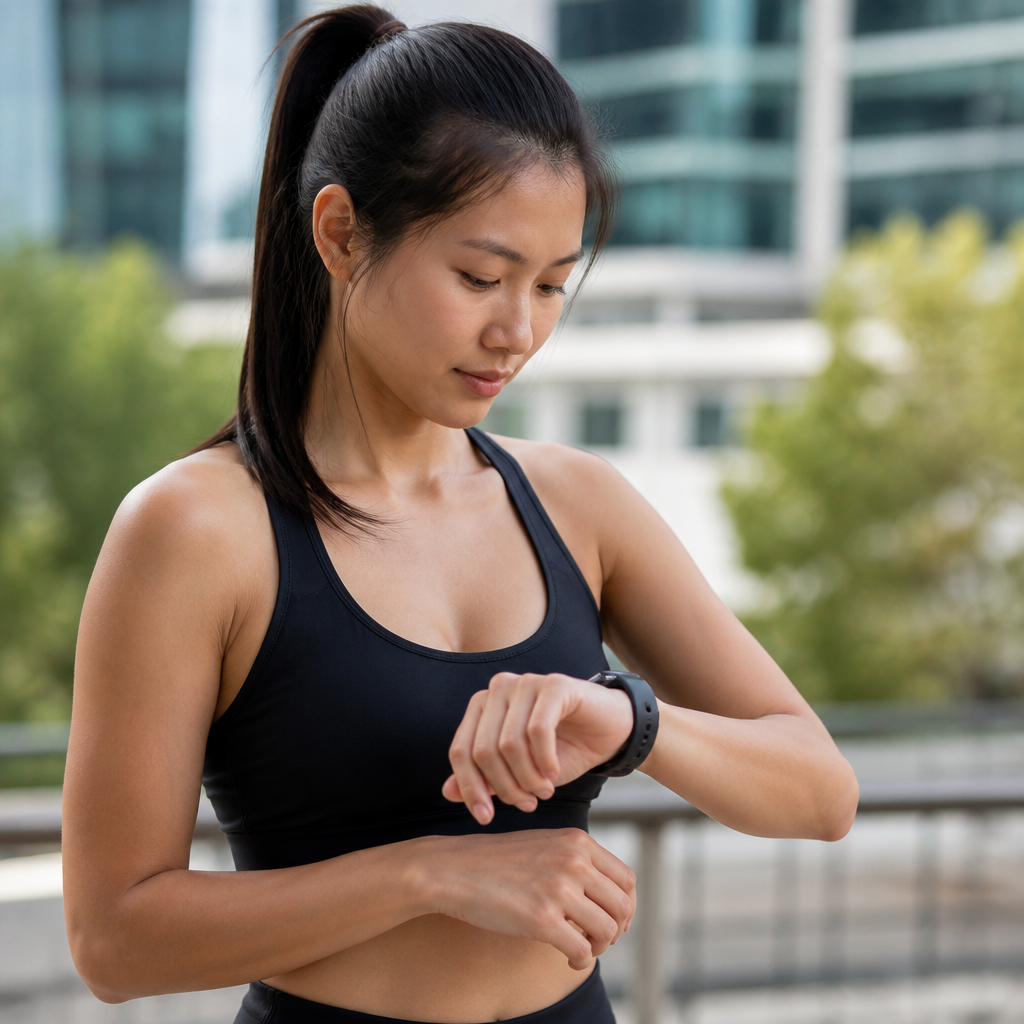
Wearable health monitors have moved from niche fitness gadgets to a defining force in Silicon Valley’s latest trend, reshaping how startups build products, how clinicians collect data, and how consumers understand their own bodies. The term wearable health monitor covers devices worn on the body that track physiological signals such as heart rate, blood oxygen saturation, skin temperature, sleep stages, movement, stress markers, and in some cases electrocardiogram readings or blood glucose trends. In practical terms, this category now spans smartwatches, rings, adhesive patches, chest straps, continuous glucose monitors, and emerging smart clothing. I have worked with startup teams evaluating these devices for product strategy, and the shift is unmistakable: wearables are no longer sold only as wellness accessories; they are becoming data platforms with medical relevance. That matters because healthcare systems are under pressure to detect problems earlier, manage chronic conditions outside clinics, and give people actionable feedback between doctor visits. For startups, the opportunity sits at the intersection of sensors, software, artificial intelligence, and reimbursement. For consumers, the promise is simple: better visibility into health without constant hospital appointments. This hub article explains the main advancements driving adoption, the startup success patterns behind the category, the regulatory and business realities shaping winners, and where wearable health monitors are headed next within the broader Tech Innovations & Startups landscape.
Why wearable health monitors are accelerating now
Several forces explain why wearable health monitors are gaining momentum at the same time. First, sensor quality has improved. Optical heart rate sensors using photoplethysmography now produce more reliable data during rest, while better accelerometers and gyroscopes improve activity and fall detection. Second, battery efficiency and low-power chips have advanced enough to support continuous tracking in small devices. Third, cloud computing and on-device machine learning have made it practical to turn raw signals into useful alerts, such as atrial fibrillation detection, sleep irregularity flags, or recovery scores. Fourth, user behavior changed after the pandemic, when remote care and at-home monitoring became normal rather than experimental.
Silicon Valley has embraced this market because it fits the region’s strongest capabilities: miniaturized hardware, mobile operating systems, subscription software, and venture-backed growth. Apple helped normalize health tracking through Apple Watch features including ECG, irregular rhythm notifications, and fall detection. Google, through Fitbit and Android health integrations, expanded the ecosystem and made longitudinal wellness data easier to access. Oura proved a ring could become a premium health product by focusing on sleep, readiness, and recovery rather than trying to replicate a phone on the wrist. Levels and Nutrisense built consumer businesses around continuous glucose monitors, translating complex metabolic data into behavior change programs. These examples show a pattern: successful companies do not simply collect data; they package it into a clear user outcome.
Core technology advancements behind startup success
The startups gaining traction in wearable health monitors tend to solve three technical problems well: signal acquisition, data interpretation, and user adherence. Signal acquisition starts with the sensor stack. PPG sensors estimate pulse by measuring light absorption changes in blood flow. Electrodes capture electrical activity for ECG. Temperature sensors detect peripheral trends that can indicate illness, menstrual cycle changes, or recovery status. Bioimpedance can estimate respiration or body composition under controlled conditions. Startups that understand the limits of each method avoid overclaiming and build trust faster.
Data interpretation is where many newer ventures create defensible value. Raw heart rate means little without context. A strong platform compares heart rate variability, resting heart rate, sleep duration, movement load, and temperature deviation over time. This baseline approach matters because normal values vary widely across users. In my experience reviewing product claims, the companies that perform best in retention are those that explain uncertainty clearly and focus on trends, not isolated readings. That is why many successful wearables emphasize longitudinal monitoring, anomaly detection, and personalized recommendations.
User adherence is the overlooked engineering challenge. A medically impressive device fails commercially if people stop wearing it after two weeks. Comfort, charging frequency, waterproofing, app simplicity, and notification design have outsized effects on long-term use. Oura succeeded partly because a ring is easy to wear overnight, while chest straps often deliver richer exercise data but lower daily adherence. Startups that pair hardware with coaching, habit design, or care navigation increase the chance that users continue engaging long enough to generate meaningful health outcomes.
Startup models winning in wearable health monitors
Not every wearable health monitor company follows the same business model, and that distinction is critical for investors, founders, and buyers. Some startups are device-first brands that earn revenue from hardware sales and then add subscriptions for insights. Others are software-first companies that rely on existing devices and build analytics, care plans, or employer wellness offerings on top. A third category targets clinical use cases, selling remote patient monitoring tools to providers, payers, or health systems. The strongest companies usually align product design, regulatory strategy, and go-to-market motion from the start rather than trying to retrofit a consumer gadget into clinical infrastructure later.
| Model | Primary Customer | Strength | Main Risk |
|---|---|---|---|
| Device plus subscription | Consumer | Strong brand loyalty and recurring revenue | High hardware costs and churn after novelty fades |
| Analytics platform | Consumer or employer | Fast scaling using existing wearables | Limited control over data quality and hardware roadmap |
| Clinical monitoring | Provider or payer | Higher contract value and medical relevance | Long sales cycles and regulatory complexity |
| Condition-specific program | Patient with diabetes, cardiac, or sleep issues | Clear outcome story and stronger retention | Narrower market and reimbursement dependence |
A condition-specific strategy has produced many of the most credible startup success stories. Continuous glucose monitoring platforms gained traction because they addressed a clear problem with measurable outcomes: understanding glucose response and improving metabolic control. Cardiac wearables gained clinical attention because arrhythmia detection can trigger follow-up testing with direct medical value. Sleep-focused wearables gained consumer traction because poor sleep is common, easy to understand, and tied to productivity, mood, and training recovery. The lesson for startup founders is straightforward: broad wellness messaging attracts attention, but focused outcomes build businesses.
Regulation, validation, and trust in a crowded market
Trust is the dividing line between a viral gadget and a durable health company. In wearable health monitors, trust comes from validation, privacy protection, and disciplined claims. If a device is intended to diagnose, treat, mitigate, or prevent disease, it may fall under Food and Drug Administration oversight in the United States. That does not mean every wellness wearable needs full medical clearance, but it does mean founders must be precise about what their product actually does. Saying a device helps users understand trends is different from claiming it detects disease with clinical certainty.
Validation should include bench testing, usability studies, and where relevant, peer-reviewed clinical studies comparing performance against accepted reference methods. For example, ECG algorithms are typically evaluated against clinician-interpreted electrocardiograms, while pulse oximetry is compared with arterial oxygen reference measurements under defined conditions. Good companies publish methods, sample sizes, and limitations rather than hiding behind marketing language. Apple and other major players have helped educate the market by publicizing validation work, which in turn raises expectations for startups.
Privacy also matters because wearable health monitors collect intimate data. Users need to know what is stored, who can access it, whether data is shared with employers or insurers, and how deletion works. Compliance frameworks such as HIPAA may apply in certain provider relationships, but legal compliance alone is not enough. Clear consent design and plain-language policies improve conversion and retention because people are increasingly alert to data misuse.
How startups turn wearable data into real outcomes
The best wearable health monitor startups understand that data alone rarely changes behavior. Outcomes improve when insights connect to a decision, a coach, or a care pathway. In metabolic health, continuous glucose data becomes useful when paired with meal logging, education, and specific feedback such as how a late-night snack affected next-morning glucose variability. In cardiovascular monitoring, an irregular rhythm alert becomes valuable when the app routes the user toward telemedicine, confirmatory testing, or physician review. In sleep and recovery, trend data matters when it informs training load, caffeine timing, or bedtime consistency.
This is where Silicon Valley’s software mindset creates an advantage. Startups borrow techniques from consumer apps, including personalization engines, cohort analysis, and A/B testing, then apply them to health engagement. However, the mature companies avoid manipulative design. They know that too many alerts increase anxiety and abandonment. The right product design reduces noise, highlights exceptions, and explains what action is worth taking now. From my work assessing digital health products, the strongest retention curves usually come from experiences that feel calm, specific, and credible rather than hyperactive.
What comes next for advancements and startup success
The next wave of wearable health monitors will likely be defined by multimodal sensing, passive monitoring, and tighter integration with care delivery. Multimodal sensing means combining motion, heart rhythm, temperature, respiration, and biochemical signals to produce better context. A single metric can mislead; combined signals are more useful. Passive monitoring matters because the less effort required from users, the more complete the data. Startups are exploring patches, earbuds, smart garments, and ambient-plus-wearable combinations that reduce friction while preserving accuracy.
Artificial intelligence will play a larger role, but the winners will use it carefully. Effective models will summarize patterns, flag meaningful deviations, and support clinicians without pretending to replace diagnosis. Integration with electronic health records, reimbursement pathways for remote patient monitoring, and partnerships with employers or health systems will matter just as much as algorithm quality. In other words, startup success will depend on operational execution as much as technical novelty.
Wearable health monitors are Silicon Valley’s latest trend because they solve a real problem with a mix of hardware innovation, software intelligence, and practical healthcare utility. The category now includes smartwatches, rings, patches, and glucose monitors that help users track sleep, heart rhythm, recovery, activity, and chronic conditions with increasing accuracy. The startups most likely to win are not the ones with the flashiest dashboards; they are the ones that validate their sensors, make claims carefully, protect privacy, and turn data into clear actions. For founders, this subtopic sits at the center of Tech Innovations & Startups because it connects advanced components, defensible software, and massive demand for remote care. For readers building or investing in this space, the takeaway is simple: focus on outcomes, trust, and adherence. Use this hub as your starting point, then explore deeper articles on sensors, regulation, startup go-to-market strategy, and digital health partnerships.
Frequently Asked Questions
What is a wearable health monitor, and why has it become such a major Silicon Valley trend?
A wearable health monitor is a body-worn device designed to continuously or regularly measure physiological and behavioral signals. Depending on the product, that can include heart rate, blood oxygen saturation, skin temperature, sleep patterns, movement, stress-related indicators, electrocardiogram data, and, in some emerging cases, glucose trends. What makes these devices different from older fitness trackers is not just the hardware itself, but the combination of sensors, software, machine learning, cloud connectivity, and app ecosystems that turn raw readings into actionable insights.
In Silicon Valley, wearable health monitors have become a major trend because they sit at the intersection of several high-growth industries: consumer electronics, digital health, artificial intelligence, preventive care, and personalized wellness. Startups and large technology companies alike see them as a powerful way to collect real-world, continuous data instead of relying only on occasional snapshots taken during clinic visits. That shift is important because many meaningful health changes happen between appointments, during sleep, exercise, stress, illness, or everyday routines.
The appeal also comes from changing consumer expectations. People increasingly want to understand how their habits affect their bodies in real time. They are no longer satisfied with broad wellness advice alone; they want personalized feedback on sleep quality, recovery, exertion, stress load, and long-term trends. Silicon Valley has responded by building platforms that make these insights feel immediate, intuitive, and highly individualized. In short, wearable health monitors are trending because they promise to make health data more continuous, more personal, and more useful across consumer, clinical, and business settings.
What kinds of health data can wearable monitors track, and how accurate are they?
Modern wearable health monitors can track a surprisingly wide range of metrics. The most common include heart rate, step count, activity levels, calories burned estimates, sleep duration, sleep stages, blood oxygen saturation, respiratory rate, and skin temperature variation. More advanced devices may offer electrocardiogram recordings, irregular rhythm alerts, stress or recovery scores derived from heart rate variability, and glucose trend data when paired with specialized systems. Some products also monitor posture, fall events, or training load, depending on their target audience.
Accuracy, however, depends heavily on the metric being measured, the quality of the sensor, device placement, skin contact, user movement, and the software algorithms interpreting the data. For example, step counts and resting heart rate measurements are often reasonably reliable in many mainstream devices, while metrics such as calories burned, sleep stage breakdowns, and stress scores are generally better understood as estimates rather than exact clinical measurements. Readings can become less reliable during intense exercise, poor device fit, irregular motion, or low blood flow at the wrist.
It is also important to distinguish between wellness-grade and medical-grade wearables. A wellness wearable may be useful for spotting patterns and nudging behavior change, but it is not automatically a substitute for diagnostic equipment used by clinicians. Some devices have regulatory clearance for specific features, such as certain heart rhythm notifications or ECG functions, while others are intended only for general wellness use. The best way to think about accuracy is this: wearable monitors are highly valuable for trend tracking and early awareness, but users should interpret them in context and consult a healthcare professional when readings suggest a persistent or serious issue.
How are startups, clinicians, and consumers using wearable health monitors differently?
Startups, clinicians, and consumers often use wearable health monitors for different but overlapping goals. For startups, these devices represent a platform for building new services around continuous data. A company may use wearable inputs to develop personalized coaching, remote care workflows, chronic disease management tools, employee wellness platforms, insurance models, or AI-driven alerts. In Silicon Valley, this has created a wave of businesses focused not just on selling hardware, but on extracting value from the data layer through software subscriptions, analytics, and integrations.
Clinicians and healthcare systems tend to view wearables through the lens of remote monitoring and longitudinal insight. Instead of seeing only occasional in-office readings, they can potentially review trends over days, weeks, or months. That can be especially useful for monitoring heart rhythm concerns, recovery after procedures, sleep-related issues, activity changes, or warning signs that a patient’s condition may be worsening. In some cases, wearable data helps guide earlier intervention, richer patient conversations, or more personalized treatment planning. Still, clinicians also need reliable workflows, validated metrics, and manageable data volumes so that wearable information enhances care instead of creating noise.
Consumers, meanwhile, are often motivated by self-knowledge and day-to-day decision-making. They use wearable health monitors to better understand sleep, exercise intensity, stress, recovery, and overall lifestyle patterns. For many people, the value is not in any single reading but in noticing relationships over time, such as how alcohol affects sleep, how travel influences heart rate variability, or how illness changes resting heart rate and skin temperature. That consumer behavior is one reason the category has expanded so quickly: wearables transform health from an occasional concern into an ongoing feedback loop people can engage with every day.
Are wearable health monitors replacing doctors or traditional medical testing?
No, wearable health monitors are not replacing doctors, and they are not a complete substitute for traditional medical testing. Their biggest strength is continuous observation, not definitive diagnosis. A wearable can flag changes, reveal patterns, or encourage someone to seek medical attention sooner, but it usually cannot provide the full clinical picture on its own. Laboratory tests, imaging, physical examinations, and formal diagnostic devices still play a central role in medicine because they are designed for precision, interpretation, and context.
What wearables are doing is changing the flow of information between patients and healthcare providers. Instead of relying only on symptom recall or occasional measurements taken in a clinical setting, patients may arrive with trend data showing how a problem developed over time. That can be extremely helpful for issues that are intermittent, lifestyle-related, or difficult to capture during a short appointment. For example, heart rhythm irregularities, sleep disruptions, activity decline, or recovery changes may become easier to discuss when supported by longitudinal data.
The most realistic view is that wearable health monitors are becoming a complementary layer in healthcare. They can support preventive care, patient engagement, and earlier detection of meaningful changes, but they still require interpretation and follow-up within established medical systems. Silicon Valley’s enthusiasm for wearables is rooted partly in this complementary role: the devices do not eliminate clinicians, but they can make care more data-rich, more proactive, and potentially more personalized when used responsibly.
What should consumers consider before buying a wearable health monitor?
Before buying a wearable health monitor, consumers should start by identifying their primary goal. Some people want a simple activity tracker, while others are looking for deeper sleep analytics, stress monitoring, ECG capability, recovery scores, or integration with a chronic condition management plan. Choosing the right device depends less on marketing claims and more on whether the wearable matches the user’s real needs, lifestyle, and comfort preferences. Battery life, form factor, app usability, subscription costs, and compatibility with smartphones or health platforms can matter just as much as the sensor list.
It is also important to review data quality and intended use. Consumers should ask whether the device is built for general wellness, sports performance, or medically oriented monitoring. They should also look at whether specific features have clinical validation or regulatory clearance, especially if they are relying on functions like ECG readings or oxygen measurements. A device that works well for tracking long-term trends may still be a poor choice for someone expecting hospital-grade precision from every metric.
Privacy and data governance deserve serious attention as well. Wearable health monitors can collect highly sensitive information about physical activity, sleep, physiology, location, and routines. Buyers should understand how that data is stored, whether it is shared with third parties, how secure the platform is, and whether they can export or delete their information. Finally, consumers should remember that the best wearable is one they will actually use consistently. Comfort, ease of charging, understandable insights, and practical relevance often determine long-term value more than flashy features. In a crowded Silicon Valley market, the smartest purchase is usually the device that delivers trustworthy insights in a way that fits naturally into everyday life.