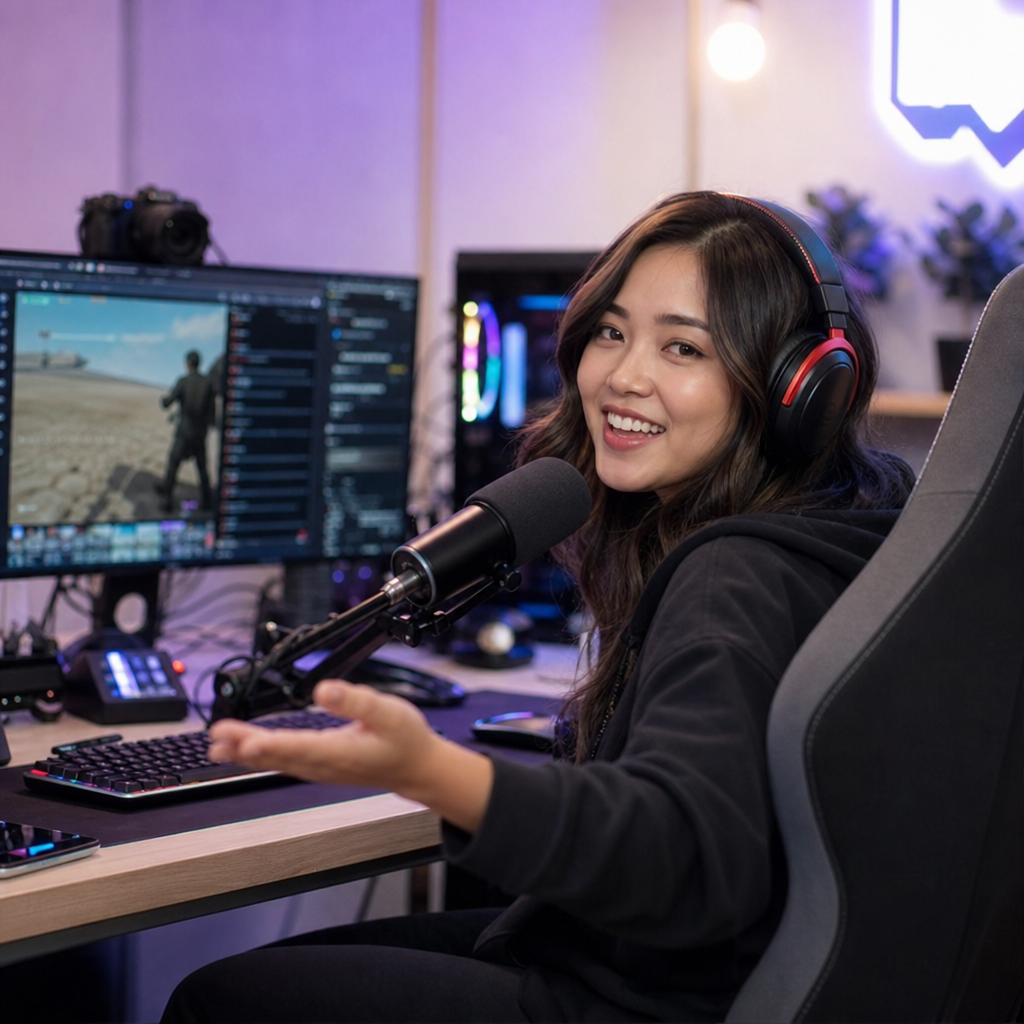
Twitch has transformed from a niche livestreaming site into one of the defining entertainment platforms of the digital era, reshaping how audiences watch, interact, and spend time online. In simple terms, Twitch is a live video platform best known for gaming streams, but that description is now incomplete: it also hosts music performances, sports commentary, talk shows, creative broadcasts, educational content, and round-the-clock community programming. As a company spotlight within Tech Innovators and Market Leaders, Twitch matters because it did not merely follow broader media trends; it helped create them by making participation, chat, and creator-led communities central to entertainment itself.
What sets Twitch apart is the combination of real-time broadcasting, persistent community identity, and platform-native monetization. Traditional television is one-to-many, and many social video apps are built for short clips consumed passively. Twitch introduced a different expectation that I have seen become standard across digital media: audiences want to react live, influence what happens next, and build belonging around creators, games, and shared rituals. Features such as live chat, subscriptions, Bits, emotes, raids, moderation tools, and channel points turned viewing into an active social experience. That model has influenced competitors including YouTube Live, Kick, Discord integrations, TikTok live features, and even sports and news publishers trying to replicate audience participation.
For companies studying market leadership, Twitch offers a strong case in platform innovation, category expansion, and the economics of creator ecosystems. Amazon acquired Twitch in 2014 for about $970 million, recognizing that livestreaming was not a side format but an emerging infrastructure for digital engagement. Today, Twitch sits at the intersection of entertainment, advertising, cloud delivery, gaming culture, and creator entrepreneurship. Understanding Twitch means understanding where media consumption is headed: toward interactive communities, direct creator support, and programming that feels less produced by networks and more co-created with audiences.
How Twitch Built a New Entertainment Category
Twitch began as a gaming-focused offshoot of Justin.tv, then quickly became the dominant home for game livestreaming because it solved a specific user need better than legacy media companies did. Players wanted to watch skilled gameplay, tournaments, speedruns, and personality-driven commentary as events unfolded live. Viewers wanted immediacy: the chance to ask questions in chat, celebrate a win the second it happened, or witness unexpected moments that could never be scripted. In my experience working with digital content strategy, that combination of unpredictability and audience access is what creates retention. People return not only for the title being played, but for the social energy of the channel itself.
The platform’s growth accelerated alongside esports, creator culture, and improvements in broadband and mobile viewing. League of Legends, Counter-Strike, Fortnite, Valorant, Call of Duty, and Grand Theft Auto roleplay each brought their own communities and viewing habits. Twitch became essential for tournament organizers, stream teams, and publishers launching new titles. A major game reveal or esports final on Twitch could generate massive concurrent viewership, with chat acting as a public layer of emotion and commentary. That social proof matters. When thousands of viewers gather in one stream, the event feels culturally important in a way prerecorded uploads rarely achieve.
Twitch also expanded beyond gaming without abandoning its identity. Categories such as Just Chatting, Music, Art, Food & Drink, and Science & Technology helped prove that livestreaming could support broad entertainment use cases. The move was strategically important because it diversified audience behavior and reduced the assumption that Twitch was only for game fans. Today, major streamers can run interview shows, reaction formats, educational sessions, watch-party-adjacent experiences where permitted, and live community events that look more like digital variety programming than pure gameplay. That category expansion is a hallmark of market leaders: they define a niche, dominate it, then widen the addressable market without losing their core audience.
The Core Business Model Behind Twitch’s Market Position
Twitch’s market strength comes from a layered revenue model that aligns creator incentives with platform usage. At the channel level, creators earn through subscriptions, ad revenue, sponsorships, affiliate links, donations through third-party tools, and virtual goods such as Bits. At the platform level, Twitch monetizes through advertising, subscription revenue shares, commerce integrations, and the broader strategic value it delivers to Amazon through Prime benefits, cloud infrastructure usage, and ecosystem engagement. This is important because the company is not simply selling video impressions. It is monetizing community attention, recurring creator-audience relationships, and long session lengths that many platforms struggle to replicate.
One reason Twitch remains influential is that its monetization mechanics are deeply tied to audience participation. A viewer who subscribes does not just pay for access; they signal loyalty, unlock emotes, and strengthen a creator’s social status in the community. Bits are even more direct, letting users cheer in chat and visibly support a stream in the moment. That public layer of support turns spending into part of the entertainment experience. I have seen few models create this blend of commerce and social identity as effectively. It is one reason why smaller creators can build sustainable businesses even without celebrity-scale audiences.
| Revenue Stream | How It Works | Why It Matters |
|---|---|---|
| Subscriptions | Monthly paid channel support with perks like emotes and badges | Creates recurring revenue and community loyalty |
| Advertising | Pre-roll and mid-roll ads shown during streams | Monetizes large audiences at scale |
| Bits | Virtual goods used to cheer in chat | Encourages real-time spending during live moments |
| Brand Sponsorships | Direct creator deals for product placement or campaigns | Extends platform influence into broader marketing budgets |
There are tradeoffs. Twitch has faced criticism over creator revenue splits, discoverability, moderation consistency, and dependence on ad formats that can disrupt the viewing experience. Competing platforms have tried to lure talent with better economics or looser content policies. Still, Twitch retains structural advantages: entrenched viewer habits, a strong creator ecosystem, mature moderation tooling, and deep recognition as the default destination for live internet culture.
Why Twitch Changed Viewer Behavior and Creator Power
Twitch redefined entertainment because it changed the role of the audience from spectator to participant. On Twitch, chat is not decoration; it shapes pacing, humor, feedback loops, and even programming decisions. Streamers poll viewers, respond to jokes in real time, accept challenges, review community submissions, and adapt content based on immediate reaction. This creates a feedback system that is far tighter than broadcast television or even most social video. The result is stronger parasocial connection, but also stronger community-to-community identity. Viewers are not just fans of a creator; they are members of a live culture with shared language, emotes, norms, and inside references.
That shift increased creator power across the media market. Before livestreaming matured, many entertainers depended on publishers, broadcasters, or large production systems to build distribution. Twitch helped creators own their audience relationships directly. A streamer could launch a channel with basic equipment, develop a schedule, establish moderation standards, and monetize before reaching mainstream fame. Tools such as OBS Studio, Streamlabs, Discord, Nightbot, and StreamElements lowered operational barriers, while Twitch provided the discovery environment and payment rails. This is one of Twitch’s clearest innovations: it industrialized solo and small-team live media production.
The influence extends into marketing and product strategy. Game publishers now build launch plans around Twitch visibility because livestreaming can generate immediate trial, word-of-mouth, and category momentum. Brands use streamers for creator-led campaigns because trust and authenticity are stronger in a live setting than in many polished ads. Political commentators, musicians, chess teachers, and sports personalities use Twitch because the platform rewards consistency and direct engagement over expensive production. That market effect is profound. Twitch did not simply create stars; it changed what media businesses expect from creators, audiences, and community management.
Twitch as a Hub in Tech Innovators and Market Leaders
Within a Company Spotlights framework, Twitch belongs in any serious analysis of tech innovators because it demonstrates how product design can reshape an industry. Its breakthrough was not only technical streaming delivery, though low-latency video and scalable cloud infrastructure were essential. The deeper innovation was system design: combining creator tools, moderation architecture, monetization layers, and cultural mechanics into one coherent platform. That is how category leaders emerge. They do more than attract users; they define the behaviors, language, and business rules of a market.
Twitch also illustrates the modern reality that market leadership is rarely static. The company leads in cultural relevance and live creator infrastructure, yet it operates under pressure from YouTube, TikTok, Discord, Kick, and platform shifts in advertising and regulation. Content safety, music rights, harassment prevention, burnout, and creator economics remain active challenges. Even so, Twitch’s strategic importance is clear. It set the standard for interactive livestreaming, proved that communities can be monetized without traditional gatekeepers, and gave brands, publishers, and creators a repeatable model for live digital entertainment.
For readers exploring the wider Tech Innovators and Market Leaders landscape, Twitch is a useful hub because it connects to several adjacent themes: the creator economy, cloud media infrastructure, platform governance, subscription models, virtual goods, esports, and the future of community-led commerce. It is also a reminder that market leaders often win by changing user expectations permanently. After Twitch, audiences no longer saw live content as something to watch quietly. They expected to participate.
Twitch’s legacy is bigger than game streaming. It redefined entertainment around interaction, community, and creator independence, then pushed the rest of the market to respond. The platform showed that live digital experiences can compete with television, influence product launches, support full-time creative careers, and build deep viewer loyalty through shared rituals rather than one-way programming. For businesses, marketers, and media strategists, that lesson is practical: the future belongs to platforms and brands that make audiences feel present, heard, and involved.
The core takeaway is simple. Twitch became a market leader because it turned livestreaming into a social system, not just a video format. Its tools, monetization model, and community design created a durable advantage that still shapes entertainment, advertising, and creator business models today. As you explore this Company Spotlights hub, use Twitch as a reference point for evaluating other tech innovators: look at how they change behavior, build ecosystems, and create new economic incentives, not just how fast they grow.
If you are mapping the companies redefining modern media, keep Twitch near the top of the list, then continue through the rest of this Tech Innovators and Market Leaders hub to compare the platforms setting tomorrow’s standards.
Frequently Asked Questions
What is Twitch, and why has it become such an important entertainment platform?
Twitch is a live-streaming platform that originally built its identity around video game broadcasts, but it has evolved into something much broader and more influential. Today, it serves as a real-time entertainment hub where millions of people watch creators host gameplay sessions, music performances, talk shows, sports discussions, art streams, educational tutorials, and everyday lifestyle content. What makes Twitch especially important in the modern media landscape is that it blends content, community, and conversation into one experience. Instead of simply watching a polished, pre-recorded video, viewers participate in the moment through live chat, reactions, subscriptions, polls, and direct support for streamers.
This shift has helped Twitch redefine what entertainment looks like in the streaming age. It is not just a place to consume content; it is a place to gather, interact, and build routines around shared interests. Audiences return not only for a specific game or topic, but also for the personality of the creator and the culture of the community that forms around each channel. In that sense, Twitch has become part broadcaster, part social network, and part digital hangout. Its influence reflects larger changes in how people spend time online: they increasingly want interactive, always-on experiences that feel immediate, personal, and communal rather than passive and one-directional.
How is Twitch different from traditional TV and other video platforms?
The most important difference is live interactivity. Traditional television is built around scheduled programming and one-way communication, while many on-demand video platforms center on edited content that viewers watch whenever they choose. Twitch, by contrast, thrives on live presence. Streamers broadcast in real time, and audiences respond instantly through chat, emotes, donations, channel points, and community participation tools. That feedback loop creates a sense of shared experience that is far more dynamic than simply watching a show alone.
Another major distinction is the relationship between creator and audience. On Twitch, viewers often develop a much stronger connection to streamers because they can ask questions, influence the flow of the stream, and become recognized members of an ongoing community. The platform rewards consistency and authenticity as much as production value. A creator can build a loyal following not because they operate like a studio, but because they show up regularly, engage directly, and create an environment that people want to return to. Compared with traditional entertainment models, Twitch feels less hierarchical and more participatory, which is a big reason it resonates so strongly with digital-native audiences.
Is Twitch still mainly for gamers, or has it expanded beyond gaming?
Gaming remains central to Twitch’s identity, but the platform has expanded well beyond that original niche. It now hosts a wide mix of live content categories that appeal to many different types of viewers. Music artists perform concerts and casual sessions, creators produce podcasts and talk shows, chefs and hobbyists share how-to content, educators host learning streams, and personalities build communities around conversation rather than any single activity. There are also streams focused on sports commentary, fitness, technology, current events, creative arts, and “Just Chatting,” one of the platform’s most popular categories.
This expansion matters because it shows that Twitch is no longer defined solely by gaming culture, even if gaming remains one of its strongest foundations. The platform’s real strength is live community-driven entertainment. As more creators use Twitch to reach audiences in flexible and authentic ways, it continues to blur the lines between media channel, social platform, and creator economy marketplace. That broader identity helps explain why Twitch has become a defining digital entertainment brand rather than simply a gaming website.
How do streamers make money on Twitch?
Twitch offers several monetization paths, which is one reason it has become so attractive to creators. Streamers can earn revenue through subscriptions, where viewers pay a monthly fee to support a channel and receive perks such as custom emotes, subscriber badges, and exclusive access. They can also receive direct financial support through donations or virtual tipping features like Bits. In addition, creators often earn from advertising revenue, sponsorship deals, affiliate partnerships, merchandise sales, and off-platform memberships or premium communities.
What makes Twitch’s model especially interesting is that monetization is closely tied to engagement and community loyalty. A creator does not necessarily need a massive mainstream audience to build a viable business; in many cases, a highly engaged niche community can provide meaningful recurring support. That creates opportunities for creators who are entertaining, knowledgeable, or deeply connected to a specific interest area. At the same time, success on Twitch usually requires consistency, relationship-building, and a strong understanding of audience culture. In other words, monetization on Twitch is not just about traffic; it is about trust, retention, and the ability to create a compelling live experience that people want to support over time.
Why does Twitch matter in the broader future of digital entertainment?
Twitch matters because it has helped shape a new model for how entertainment is created, distributed, and experienced online. It has shown that live, creator-led, community-powered content can compete with more traditional forms of media for attention, loyalty, and cultural relevance. In the process, it has influenced how platforms, brands, and creators think about audience engagement. The success of livestreaming has encouraged a wider industry shift toward interactivity, real-time participation, and more personal creator-audience relationships.
More broadly, Twitch represents the rise of entertainment as an ongoing social experience rather than a standalone product. Viewers are not just tuning in for content; they are joining communities, forming habits, and spending time in digital spaces that feel active and responsive. That has implications far beyond one platform. It affects advertising, fan culture, media strategy, and the economics of online creators. As entertainment continues moving toward formats that are more participatory and community-centered, Twitch stands as one of the clearest examples of how the streaming age is redefining what audiences value and how they choose to engage.