

Silicon Valley, globally known as the nucleus of technology and innovation, continues to make headlines for its exponential advancements. One of the most fascinating and transformative developments in recent years is the integration of Artificial Intelligence (AI) in content creation. This marriage between AI and creative output is not just a fleeting trend but a profound evolution shaping the dynamics of how content is produced, consumed, and appreciated.
In an era where content is king, leveraging AI to generate, manage, and distribute high-quality content presents an edge that is too significant to ignore. From automated article writing and image generation to advanced analytics that predict and understand consumer behavior, AI is creating waves that are reconfiguring the content landscape. Startups and tech giants in Silicon Valley are at the forefront of this revolution, giving them a substantial competitive advantage.
In this article, we will delve into how AI is being utilized in content creation, exploring its impact, the tools that are driving this change, and the remarkable innovations from Silicon Valley.
The Role of AI in Content Creation
Artificial Intelligence has transcended its initial function of solving computational problems to becoming a creative partner. AI innovations in content creation take various forms, from simple automated processes to sophisticated deep learning models that mimic human creativity.
One of the primary roles of AI in content creation is automation. Tools like OpenAI’s GPT-3 can write articles, generate social media posts, and even provide customer support. These AI-driven solutions enable content creators to focus on more strategic and creative tasks, enhancing efficiency and productivity.
AI also aids in content personalization. Algorithms analyze user data to create tailored content, ensuring higher engagement rates. This approach not only increases relevance but also transforms how audiences interact with content. Personalization engines can suggest videos, articles, or products based on previous interactions, making the user experience more enjoyable and seamless.
Moreover, AI tools provide in-depth analytics. These tools help creators understand what type of content performs best, predict future trends, and develop strategies that align with audience preferences. As a result, content is not just randomly created but is data-driven and optimized for success.
Breakthrough AI Tools in Content Creation
Silicon Valley companies have developed a plethora of AI tools that have revolutionized content creation. Some notable ones include:
1. OpenAI’s GPT-3: As one of the most advanced language models, GPT-3 can generate human-like text based on prompts. It can write essays, create stories, and generate dialogue scripts, making it a valuable asset for content creators.
2. Grammarly: This AI-driven tool has become ubiquitous for anyone involved in writing. It not only checks grammar and spelling but also provides stylistic suggestions, enhancing the overall quality of the content.
3. Canva: While primarily a graphic design tool, Canva leverages AI to offer design suggestions, automate image editing, and even generate visuals based on user input. This makes graphic content creation much more accessible and efficient.
4. Lumen5: This tool transforms blog posts into engaging videos. By AI-detecting key points in an article, it generates a video script and compiles media that aligns with the content, making video production less labor-intensive.
These tools exemplify how AI can support and enhance the creative process, allowing creators to produce higher quality content with less effort.
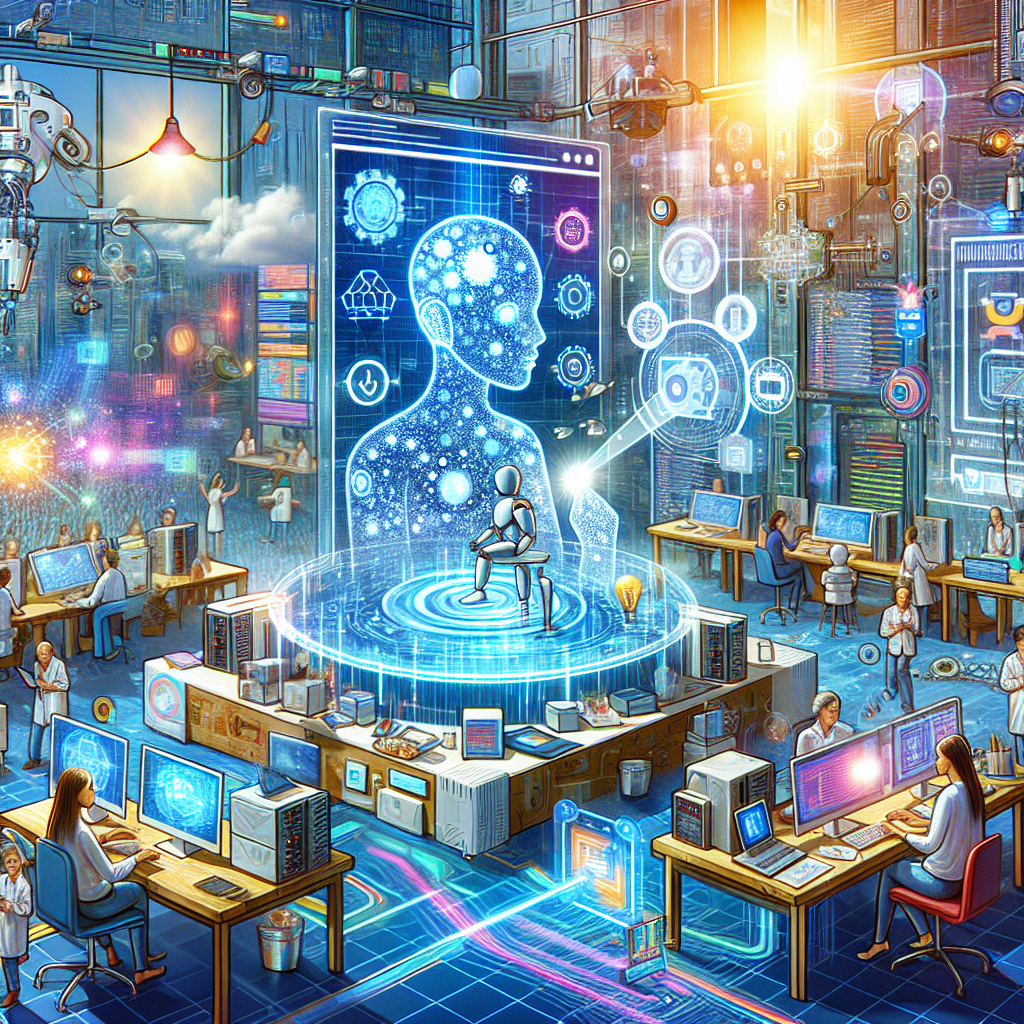
Innovative Startups Leveraging AI in Content Creation
The innovative spirit of Silicon Valley is manifested in the startups that are pioneering AI in content creation. These companies are not only providing groundbreaking tools but are also paving the way for new content paradigms.
1. Writesonic: This startup offers an AI-based writing assistant that can generate marketing copy, blog posts, and product descriptions. By using natural language processing, Writesonic can craft compelling content that resonates with target audiences.
2. Jasper: Previously known as Jarvis, Jasper employs AI to assist with content creation for various formats, including social media, blogs, and advertisements. With real-time editing and feedback, Jasper helps users tailor their content for maximum impact.
3. Hugging Face: Primarily known for its conversational AI, Hugging Face provides models that can be fine-tuned for different content creation needs. Their AI solutions are particularly valuable for generating dialogue, customer service chats, and interactive content.
4. Copy.ai: This platform uses machine learning to help users generate marketing content, product descriptions, and blog posts. By streamlining content production, Copy.ai allows brands to maintain a consistent content flow.
These startups reflect the potential and versatility of AI in content creation, significantly reducing the time and effort required to produce high-quality content.
Challenges and Ethical Considerations
While AI in content creation brings numerous benefits, it also poses several challenges and ethical considerations that need addressing.
1. Quality Control: Despite its advancements, AI-generated content sometimes lacks the nuanced understanding and creativity that humans possess. Ensuring the quality and originality of AI-produced content remains a significant challenge.
2. Ethical Concerns: The automation of content creation raises questions about authenticity and transparency. Audiences may be unaware that content is generated by AI, which could lead to issues of trust and credibility.
3. Privacy Issues: AI tools often require vast amounts of data to function effectively, raising concerns about data privacy and protection. It’s essential to implement stringent measures to safeguard user data.
4. Job Displacement: The ability of AI to perform tasks traditionally done by humans leads to concerns about job displacement. There is a need to balance AI integration with strategies to reskill and upskill the workforce.
Addressing these challenges requires a combination of robust regulatory frameworks, ethical guidelines, and continuous innovation to ensure that AI in content creation is beneficial for all stakeholders.
The Future of AI in Content Creation
The future of AI in content creation is incredibly promising. As AI technology continues to evolve, we can expect even more sophisticated tools and applications that will redefine how we create and consume content.
One area ripe for growth is the integration of AI with augmented reality (AR) and virtual reality (VR). This could lead to immersive content experiences where AI-generated narratives are combined with interactive, 3D environments. For example, AI could generate unique storylines or dialogue in real-time based on user interactions, offering personalized and dynamic content experiences.
Additionally, AI is likely to play a more significant role in content strategy and planning. Advanced predictive analytics could help creators identify emerging trends and preferences, allowing them to stay ahead of the curve. This proactive approach to content creation will help brands maintain relevance and engagement in an ever-changing digital landscape.
Furthermore, ongoing improvements in natural language processing and understanding will enhance the ability of AI to produce content that is virtually indistinguishable from human creation. This is particularly exciting for areas like creative writing, where AI could collaborate with human authors to produce unique and compelling works of fiction.
Ultimately, the future of AI in content creation will be characterized by deeper collaboration between humans and machines, leveraging the strengths of both to produce content that is more engaging, personalized, and impactful.
Conclusion
Silicon Valley’s edge in AI-driven content creation is shaping the future of how we generate, distribute, and consume content. From automation and personalization to advanced analytics and innovative startups, AI is revolutionizing the content landscape in ways that were unimaginable just a few years ago.
While there are challenges and ethical considerations to address, the benefits of AI in content creation are undeniable. By enhancing efficiency, improving quality, and enabling new forms of creative expression, AI offers a powerful toolset for content creators and brands alike.
As we look to the future, it’s clear that AI will continue to play an increasingly vital role in content creation. By embracing these technological advancements, Silicon Valley and the world at large can unlock new possibilities and set new standards in the digital age.
Whether you are a content creator, marketer, or tech enthusiast, understanding and leveraging AI in content creation will be essential for staying competitive and relevant in today’s fast-paced digital environment.


