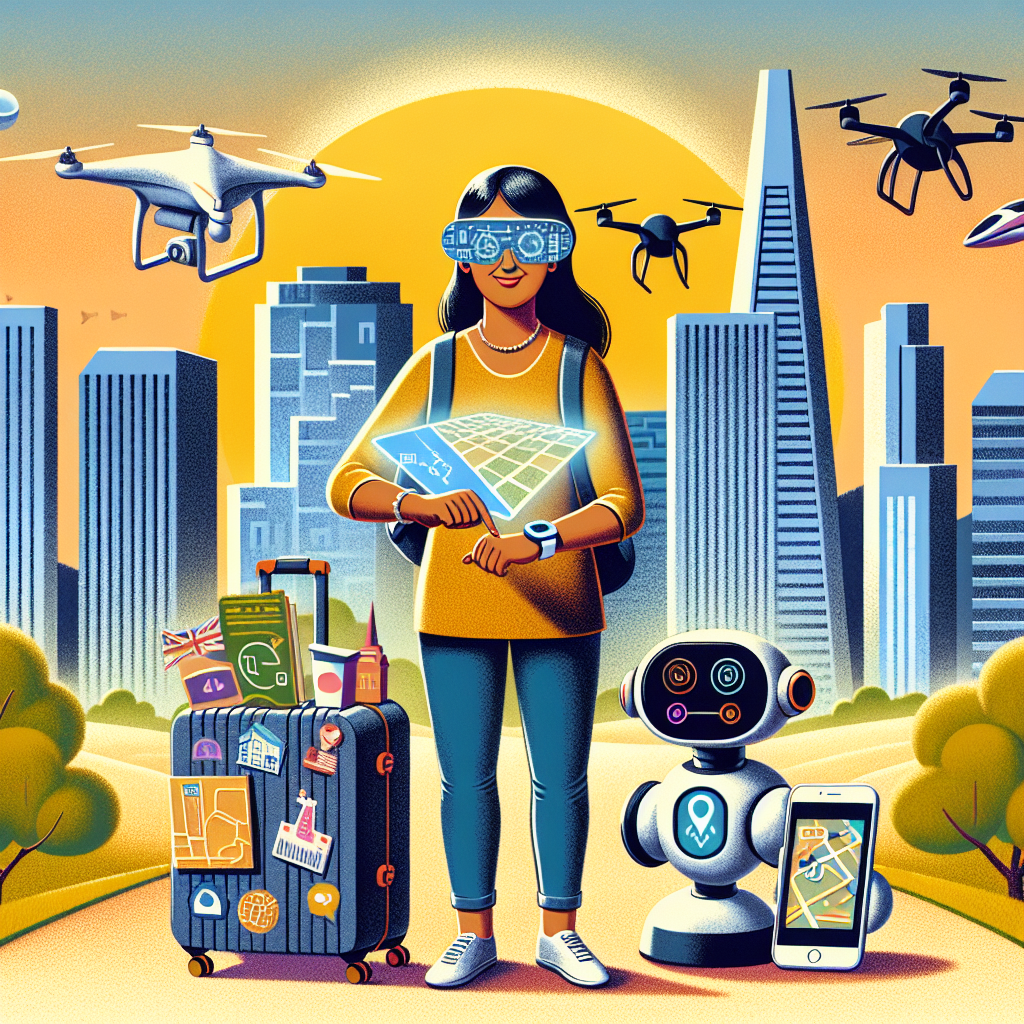
Silicon Valley is a renowned innovation hub, globally recognized for its cutting-edge technology advancements and dynamic startup ecosystem. As urban areas around the world grapple with persistent mobility challenges, Silicon Valley’s approach to solving these issues stands out for its ingenuity and scalability. From app-based ride-sharing platforms to advanced electric vehicles, the region is spearheading solutions that are transforming the way people move within cities.
Urban mobility has been a critical issue for decades. Congestion, pollution, and inefficient public transport systems combine to hamper the quality of life for city dwellers. Traditional solutions have often fallen short, marred by bureaucratic delays and lack of innovative thinking. Silicon Valley, however, leverages its tech-savvy culture and entrepreneurial spirit to tackle these problems head-on.
By fostering an environment where creativity meets resources, Silicon Valley has given birth to groundbreaking startups focused on urban mobility. These companies utilize the latest advancements in AI, data analytics, IoT, and sustainable technology to develop solutions that not only address today’s challenges but also anticipate the needs of the future.
This article delves into how Silicon Valley is leading the charge in revolutionizing urban mobility. We will explore the innovations, the visionary startups behind them, and the collaborative efforts that make these advancements possible. We’ll also examine the broader impact of these developments on urban living and sustainable progress.
Ride-Sharing Revolution
One of the most significant contributions Silicon Valley has made to urban mobility is the concept of app-based ride-sharing. Companies like Uber and Lyft have redefined personal transportation, making it more flexible, accessible, and efficient. These platforms connect riders to drivers through advanced algorithms that optimize routes and reduce wait times.
Ride-sharing has not only made commuting more convenient but has also addressed several urban mobility woes, such as reducing individual car ownership and subsequently, congestion. It has effectively utilized the concept of the sharing economy, making better use of existing resources. The implementation of carpooling features, like UberPool, further showcases the potential for reducing the number of vehicles on the road, leading to decreased greenhouse gas emissions.
Furthermore, these companies continuously adapt and expand their services to meet evolving needs. Uber, for example, has ventured into bike-sharing and electric scooter rentals, providing a range of options for last-mile connectivity. This diversification of services makes urban commutation smoother and more integrated, helping residents travel seamlessly within city spaces.
Beyond the obvious benefits, ride-sharing companies have also pioneered data-driven approaches to urban planning. By analyzing travel patterns and usage data, cities can gain insights that inform infrastructure development and traffic management, creating smarter, more responsive urban environments.
Autonomous Vehicles and Smart Cities
Autonomous vehicles (AVs) represent another game-changing innovation emerging from Silicon Valley. Companies like Waymo, Tesla, and Cruise Automation are at the forefront of developing self-driving technology with the potential to revolutionize urban mobility fundamentally. AVs promise enhanced safety, reduced traffic congestion, and increased mobility for those unable to drive.
The integration of AVs into urban environments is a critical component of the broader smart cities initiative. Smart cities leverage various technologies, including IoT and AI, to enhance the efficiency and livability of urban areas. Autonomous vehicles, with their ability to communicate with each other and with city infrastructure, can significantly contribute to this vision.
These vehicles use a combination of sensors, cameras, and algorithms to navigate the urban landscape safely. They are capable of real-time decision-making, allowing them to adapt to changing conditions on the fly. This level of responsiveness not only enhances safety but also ensures smoother traffic flow.
The transition to autonomous vehicles is not without challenges—regulatory hurdles, safety concerns, and the need for extensive testing are just a few. However, the potential benefits, including reduced accident rates and more efficient use of space, make this an exciting area of development. Silicon Valley’s relentless pursuit of innovation continues to push the boundaries of what is possible in this domain.
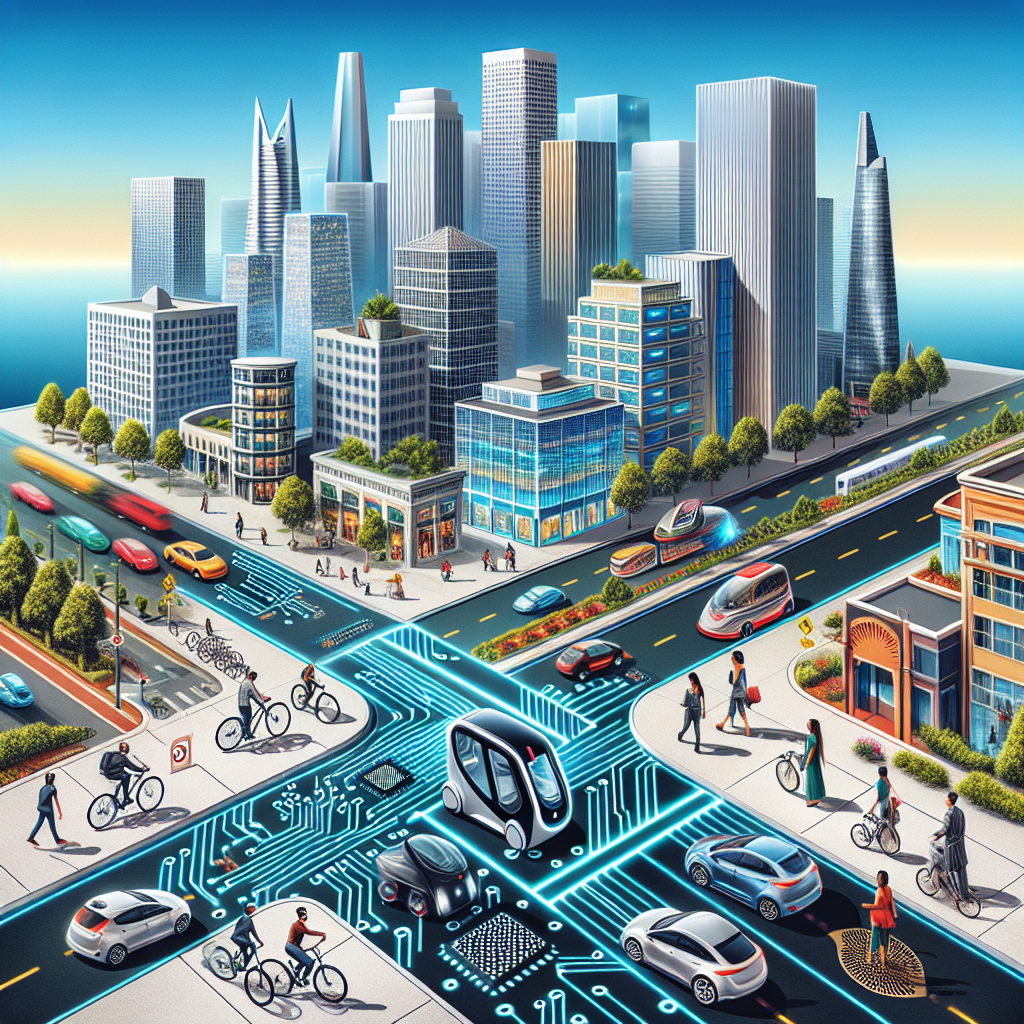
Next-Gen Public Transport
Public transportation systems have historically struggled with issues of efficiency, reliability, and coverage. Silicon Valley’s tech landscape, however, is ushering in a new era of next-generation public transport solutions aimed at overcoming these challenges. Cutting-edge technologies, such as real-time tracking, AI-driven route optimization, and contactless payments, are setting new standards for public transit experiences.
Startups like TransLoc and Moovit employ big data and machine learning to offer real-time transit information and dynamic routing options, greatly improving the user experience. These platforms allow riders to make informed decisions about their commutes, including finding alternative routes during disruptions and optimizing travel times.
Moreover, Silicon Valley companies are also exploring the potential of autonomous public shuttles and buses. Pilot programs have already demonstrated the feasibility of self-driving buses that can autonomously navigate urban routes. These initiatives aim to enhance accessibility and lower operational costs, providing a more sustainable public transport alternative.
Integration is key to the success of next-gen public transport solutions. Companies are working to create seamless multimodal transport systems, where users can switch between buses, subways, ride-sharing, and biking solutions through unified apps. This holistic approach ensures that urban mobility becomes more interconnected and efficient.
Micromobility Solutions
As cities become increasingly congested, there’s a growing need for micromobility solutions—tiny, nimble vehicles perfect for short-distance travel. Silicon Valley has been a pioneer in this domain with the introduction of electric bikes, scooters, and other compact personal transportation devices.
Companies like Bird, Lime, and Spin have set up extensive networks of e-scooter rentals in major urban areas, providing an eco-friendly alternative for short trips. These services are app-based, allowing users to locate, unlock, and pay for rides seamlessly through their smartphones.
The rise of e-scooters and bikes addresses the critical “last mile” problem in urban transport, where existing systems fall short of providing convenient access to final destinations. Residents can quickly zip through congested streets, reducing dependence on cars and easing traffic flow.
Moreover, micro mobility solutions have a minimal carbon footprint, contributing to more sustainable urban living. However, they also pose unique challenges such as regulatory compliance, safety issues, and the need for proper infrastructure. Despite these hurdles, the growing adoption of micro mobility reflects a positive shift towards more sustainable and efficient urban mobility paradigms.
Collaboration and Community Engagement
The success of Silicon Valley’s urban mobility innovations isn’t just about cutting-edge technology; it’s also about collaboration and community engagement. Multiple stakeholders, including tech companies, city planners, policymakers, and residents, must work together to create sustainable solutions.
Initiatives like San Francisco’s “Smart Mobility” and Palo Alto’s “Connected Streets” serve as excellent examples of how collaborative efforts can drive meaningful change. These programs leverage partnerships with private companies to pilot new technologies and approaches, creating real-world solutions to urban mobility challenges.
Community engagement plays a vital role in these endeavors. By involving residents in the planning and decision-making processes, cities can ensure that new solutions meet the needs of the people they are designed to serve. Public consultations, surveys, and pilot tests are common practices to gather feedback and make data-driven adjustments.
Moreover, regulatory frameworks must evolve to keep pace with technological advancements. Progressive policies that support innovation while ensuring safety and equity are essential. Silicon Valley’s approach often includes working closely with government agencies to develop these regulations, ensuring that new solutions can be deployed effectively and responsibly.
Conclusion
Silicon Valley continues to be a beacon of innovation, particularly in addressing urban mobility challenges. Through a blend of technology, entrepreneurship, and collaboration, the region is setting new benchmarks for how cities can solve complex transportation issues. From ride-sharing and autonomous vehicles to next-gen public transport and micromobility, these innovations are sculpting the future of urban mobility.
As these technologies evolve, their influence will extend beyond Silicon Valley, offering scalable solutions that can be adapted globally. The lessons learned from these initiatives hold valuable insights for other cities grappling with similar challenges. By fostering an ecosystem where technology and community coalesce, Silicon Valley provides a model for sustainable, efficient, and inclusive urban mobility.
In summary, the strides made in Silicon Valley highlight the potential of tech-driven solutions in revolutionizing urban living. As we look towards the future, it’s clear that ongoing innovation and cooperation will be key to overcoming the urban mobility obstacles that lie ahead.