Welcome to a deep dive into how Silicon Valley is spearheading advancements in sustainable food technologies. As the global population burgeons and environmental concerns heighten, the need for sustainable food solutions is more crucial than ever. This article will explore how the tech epicenter of the world, Silicon Valley, is pioneering efforts to create a more sustainable food system.
Introduction
Silicon Valley has long been at the forefront of technological innovation, and now it’s channeling that prowess into the realm of sustainable food. From cellular agriculture to AI-driven farming, new start-ups and established tech giants are tackling food sustainability head-on. According to the Food and Agriculture Organization (FAO), the global population is expected to reach 9.7 billion by 2050, posing unprecedented challenges in food production and consumption. However, the rapid technological advancements emerging from Silicon Valley offer promising solutions to these pressing issues. In this article, we’ll explore the various technologies and start-ups that are contributing to a more sustainable future for food.
Cellular Agriculture: The Future of Protein
One of the most groundbreaking innovations in sustainable food is cellular agriculture, which involves cultivating meat and other animal products directly from cells, without the need for traditional livestock farming. Start-ups like Memphis Meats, Just Inc., and Mosa Meat are leading the charge in this domain. By growing meat in labs, these companies aim to significantly reduce the environmental footprint associated with conventional meat production. For instance, lab-grown meat requires up to 90% less land and water and emits fewer greenhouse gases.
Additionally, cellular agriculture mitigates the ethical concerns tied to animal farming. The ability to produce meat without killing animals appeals to a growing segment of environmentally and ethically conscious consumers. The technology is still in its nascent stage, but it holds immense promise. As scalability and affordability improve, cellular agriculture could revolutionize the protein industry, offering a viable alternative to traditional meat.
Precision Farming: Optimizing Resources
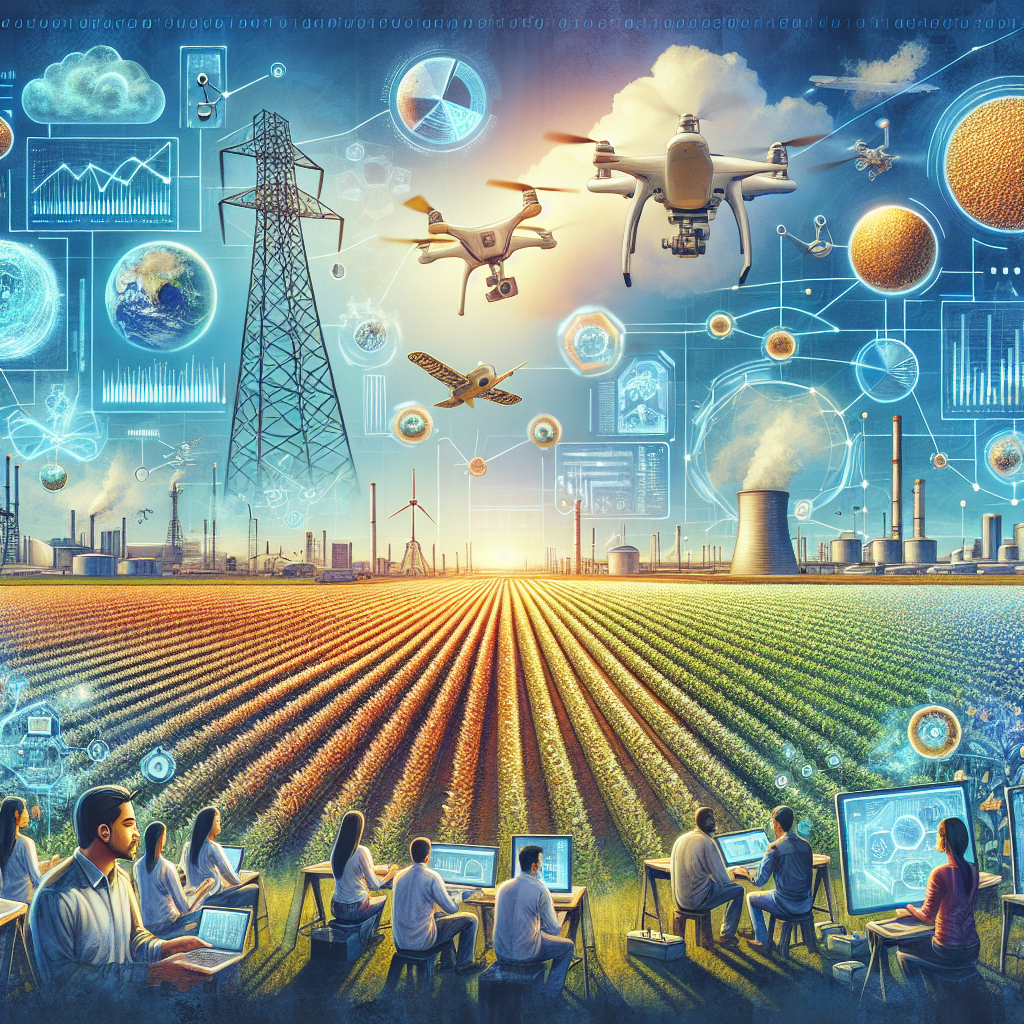
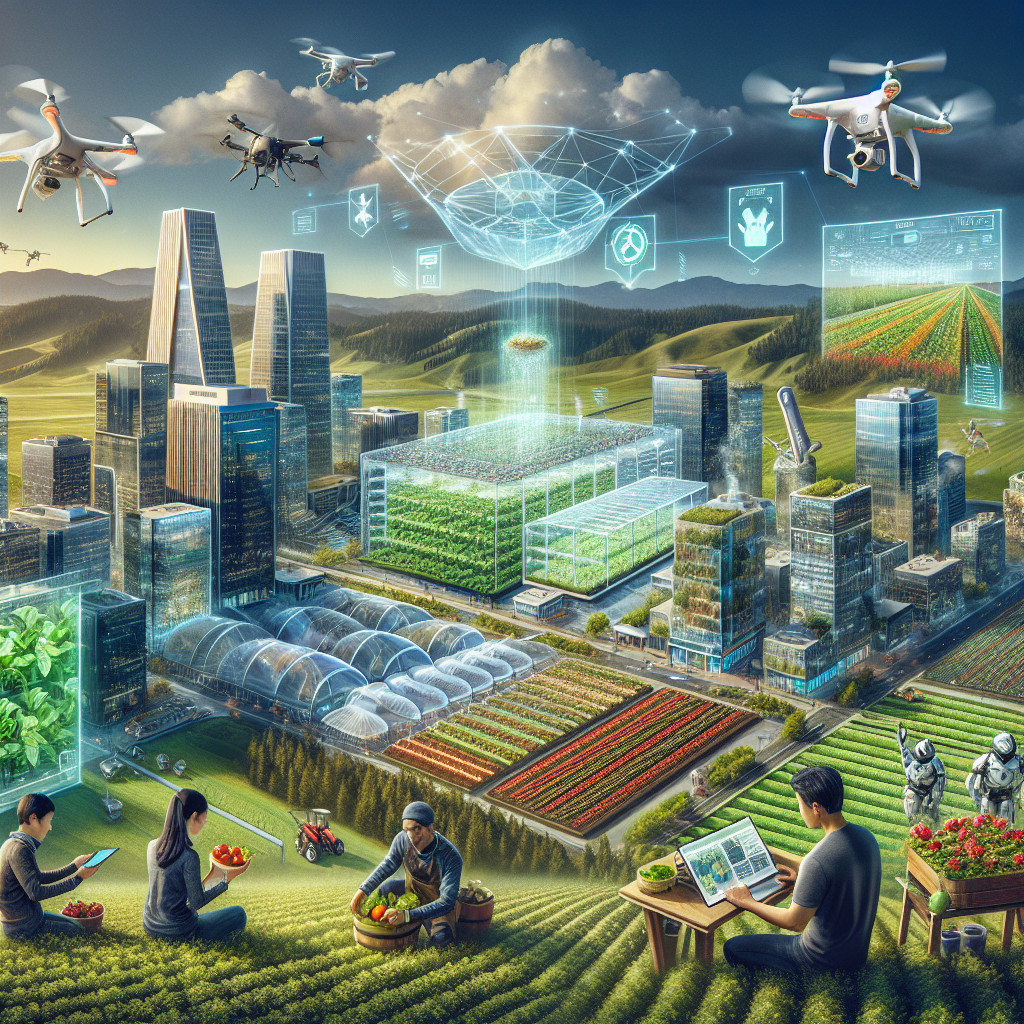
Precision farming utilizes technologies like GPS, IoT, and AI to optimize agricultural practices. Companies such as Climate Corp, a subsidiary of Bayer, and Blue River Technology are making substantial strides in this area. These technologies allow farmers to make data-driven decisions about crop management, leading to increased yield and reduced waste.
For example, AI algorithms can analyze vast amounts of data from sensors placed in the fields to determine the optimal time for planting, watering, and harvesting crops. Drones equipped with cameras and sensors can provide real-time data on crop health, enabling farmers to address issues promptly. This level of precision ensures that resources like water and fertilizers are used efficiently, minimizing environmental impact.
Furthermore, precision farming can help in mitigating the challenges posed by climate change. With unpredictable weather patterns becoming the new norm, the ability to adapt farming practices in real-time is invaluable. By enhancing productivity and sustainability, precision farming is poised to play a critical role in the future of agriculture.
Vertical Farming: Urban Agriculture Redefined
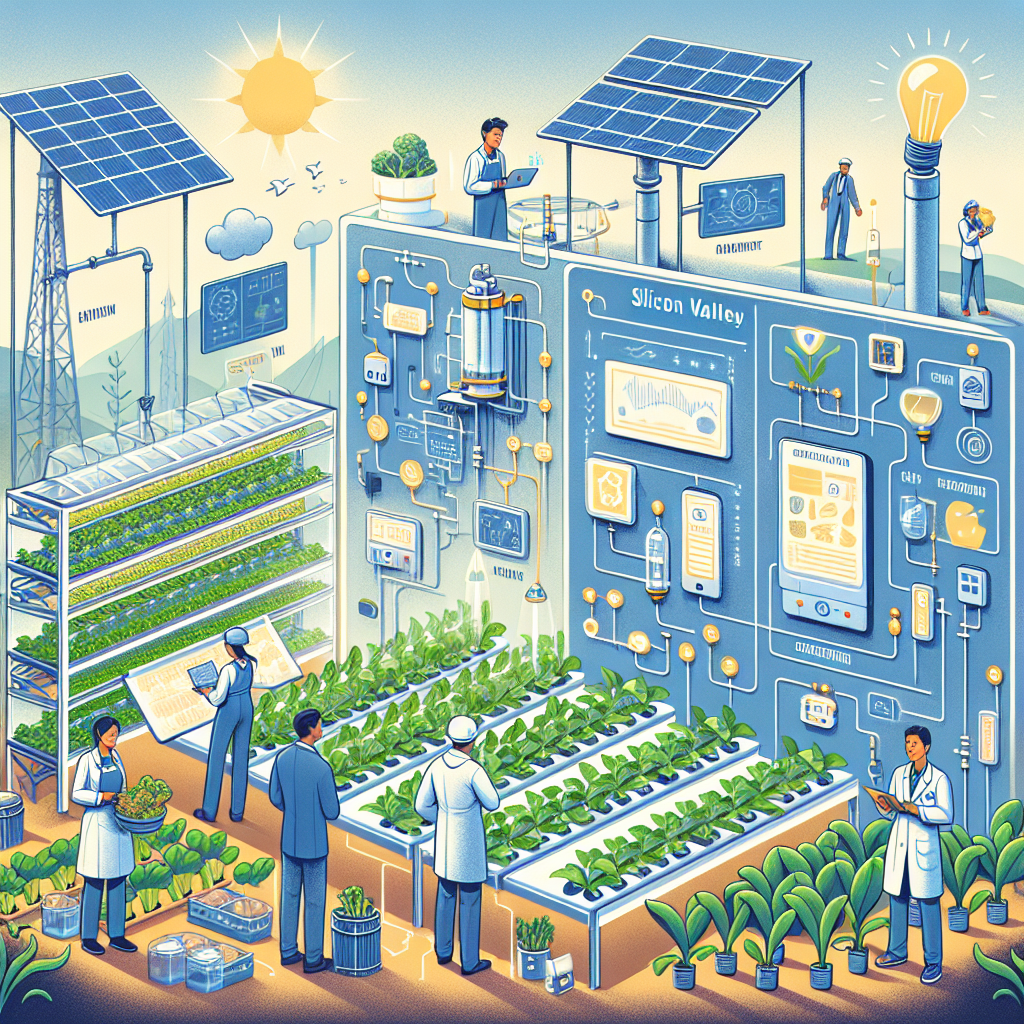
As urban populations expand, the concept of vertical farming has gained traction. Companies like Plenty, AeroFarms, and Bowery Farming are leading the vertical farming revolution, which involves growing crops in stacked layers within controlled environments. This approach maximizes space utilization and allows for year-round production, irrespective of external weather conditions.
Vertical farms use significantly less water than traditional agriculture and eliminate the need for pesticides, making them an eco-friendly option. Moreover, by situating farms closer to urban centers, vertical farming reduces the carbon footprint associated with transporting produce over long distances. This not only enhances the freshness of the food but also reduces food wastage.
The scalability of vertical farming is another factor that makes it appealing. It can be implemented in various urban settings, from small-scale installations in grocery stores to large-scale operations supplying entire cities. As the technology becomes more cost-effective, vertical farming has the potential to become a mainstream method of food production, contributing to urban food security and sustainability.
Alternative Proteins: Beyond Meat and Plant-Based Innovations
The market for alternative proteins has surged in recent years, with companies like Beyond Meat and Impossible Foods leading the charge. These companies are developing plant-based proteins that closely mimic the taste and texture of animal meat. By using ingredients like peas, soy, and lentils, they create products that offer a sustainable and ethical alternative to traditional meat.
Plant-based proteins typically require less land, water, and energy to produce compared to animal agriculture. They also contribute to lower greenhouse gas emissions. The growing consumer demand for plant-based options is driving further innovation in this space, with new products continually entering the market.
Additionally, the nutritional profile of plant-based proteins is often superior, containing higher levels of fiber and essential nutrients compared to meat. As research and development continue, we can expect even more advanced and diverse plant-based options, making it easier for consumers to make sustainable food choices without compromising on taste or nutrition.
AI and Big Data: Enhancing Food Supply Chains
Artificial Intelligence (AI) and Big Data are playing pivotal roles in revolutionizing food supply chains. Companies like IBM and Taranis are leveraging AI to enhance various aspects of the food supply chain, from crop monitoring to inventory management. By analyzing large datasets, AI can forecast demand, optimize supply routes, and reduce waste, leading to more efficient and sustainable food systems.
For instance, AI algorithms can predict crop yields and identify potential threats like pests or diseases before they cause significant damage. This enables proactive measures, reducing crop loss and enhancing food security. Furthermore, AI-driven supply chain management ensures that food reaches consumers in optimal condition, minimizing spoilage and waste.
Big Data also aids in transparency and traceability. Consumers are increasingly concerned about the origins and sustainability of their food. By utilizing blockchain technology, companies can offer transparent insights into the journey of food from farm to table. This level of transparency builds consumer trust and promotes sustainable practices across the food supply chain.
Conclusion
Silicon Valley’s role in sustainable food innovation is undeniably transformative. From cellular agriculture and precision farming to vertical farming and alternative proteins, the array of technologies and start-ups emerging from this tech hub are paving the way for a more sustainable and resilient food system. As these innovations continue to evolve and scale, they have the potential to address some of the most pressing challenges in global food production and consumption.
The collective efforts of these groundbreaking startups and technological advancements represent a significant shift towards a more sustainable and ethical food future. The journey is still ongoing, and there is much more to be achieved. However, Silicon Valley’s relentless pursuit of innovation offers a beacon of hope in the quest for sustainable food solutions.
As consumers, investors, and stakeholders increasingly prioritize sustainability, the technological innovations coming out of Silicon Valley will undoubtedly play a crucial role in shaping the future of food. By embracing these advancements, we can move towards a world where food production is not only efficient and profitable but also sustainable and equitable for all.