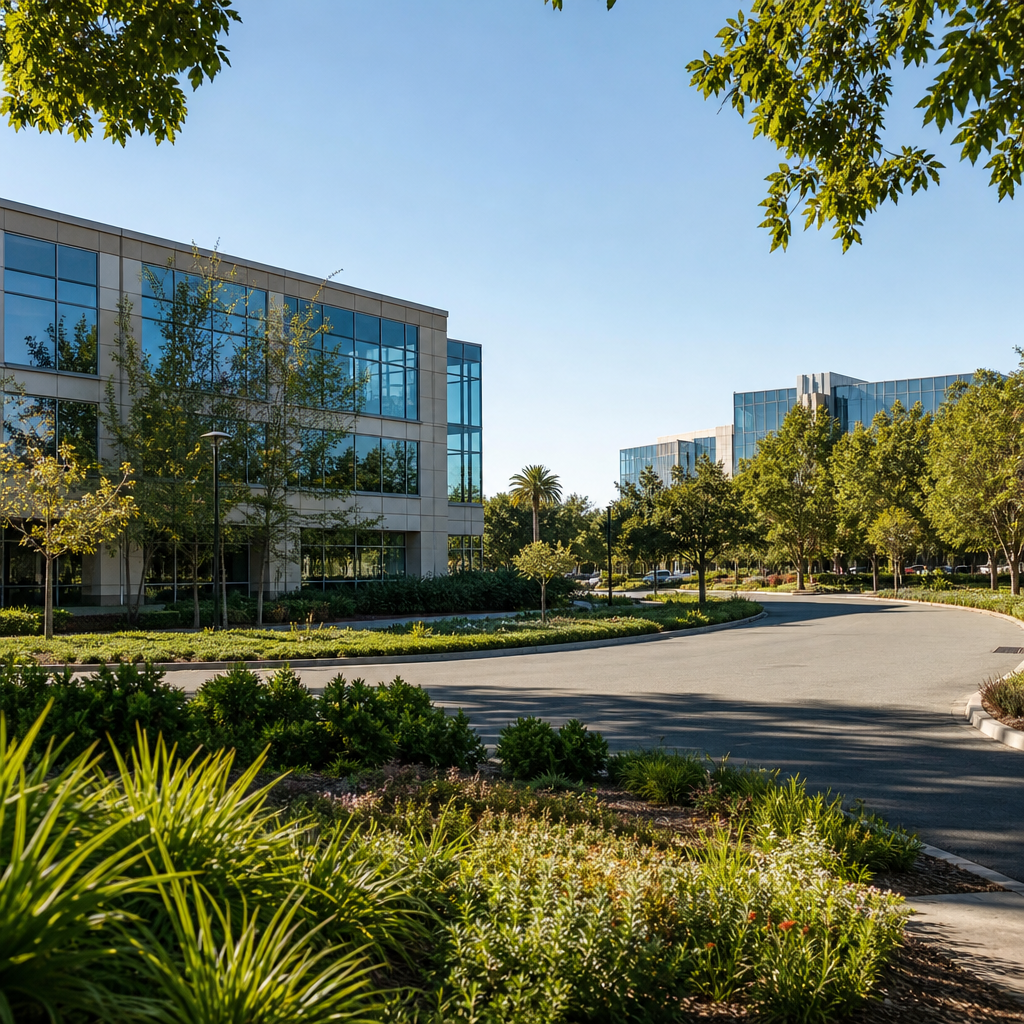
Stanford Research Park is one of the most consequential business parks in modern economic history because it created a durable template for how universities, private industry, and regional geography can combine to generate innovation at scale. In the context of Silicon Valley history, the park refers to the office and laboratory district established on Stanford University land in the early 1950s, initially called Stanford Industrial Park, in what is now Palo Alto. Geography and origins matter here because the park was not an accidental cluster of buildings. It emerged from a specific land strategy, a specific institutional problem at Stanford, and a specific regional setting shaped by transportation routes, defense spending, and academic talent. Having spent years tracing how technology ecosystems form, I view Stanford Research Park as the clearest early example of place-based innovation done intentionally rather than organically alone. For readers exploring historical perspectives, this hub is essential because many later stories about semiconductors, venture capital, software, and startup culture begin with the decisions that created this park and anchored high-technology industry on the San Francisco Peninsula.
Understanding Stanford Research Park starts with two definitions. First, a research park is a planned district designed to house companies engaged in research, engineering, and advanced production, typically near a university. Second, Silicon Valley refers not just to a brand name for technology, but to a geographic and economic region centered on Santa Clara Valley and the Peninsula where dense networks of firms, investors, laboratories, and universities reinforce one another. Stanford Research Park matters because it gave that network a physical home before the term Silicon Valley became common. It also demonstrated that geography influences corporate behavior: where firms locate affects who they hire, whom they partner with, and how quickly ideas circulate. This article focuses on the park’s geography and origins comprehensively, serving as a hub for deeper coverage of tenant companies, university policy, defense links, and the broader regional transformation from orchards to laboratories and corporate campuses.
Geography: Why This Location Mattered
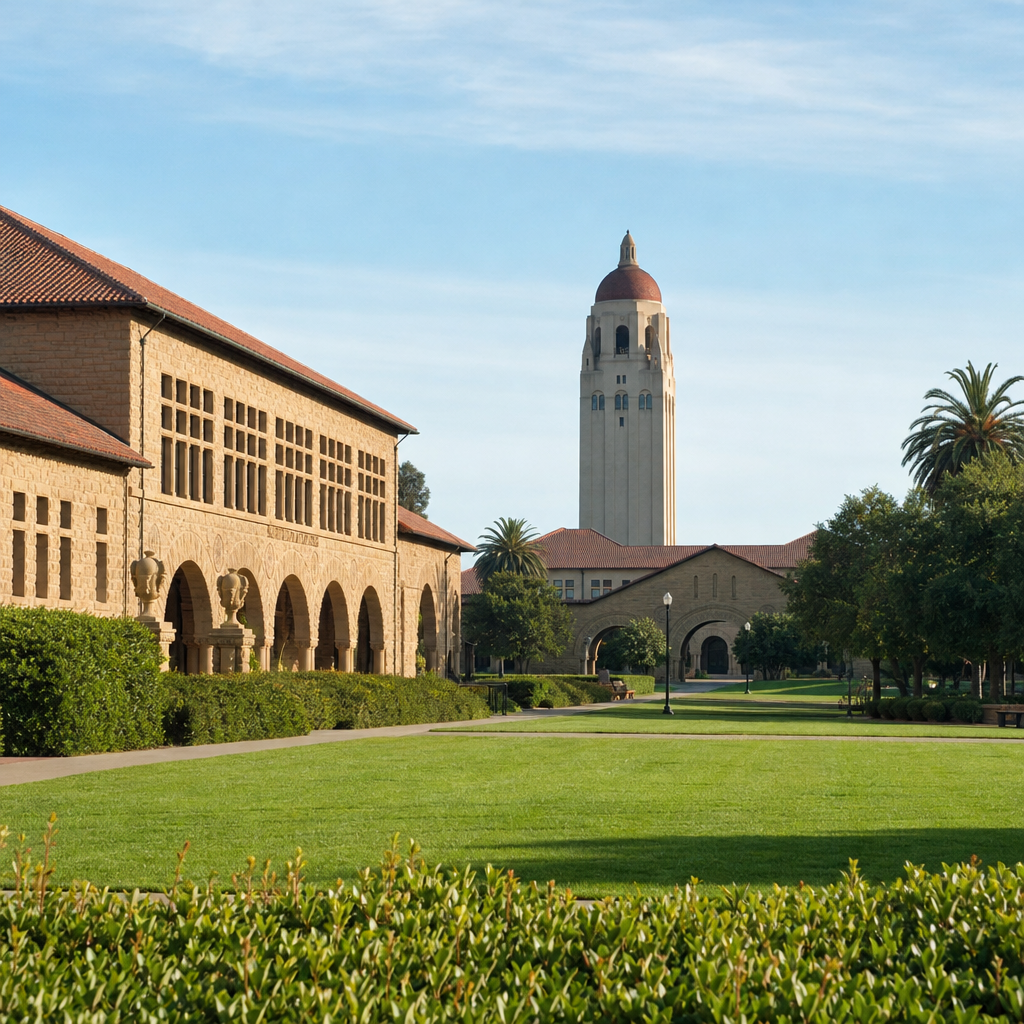
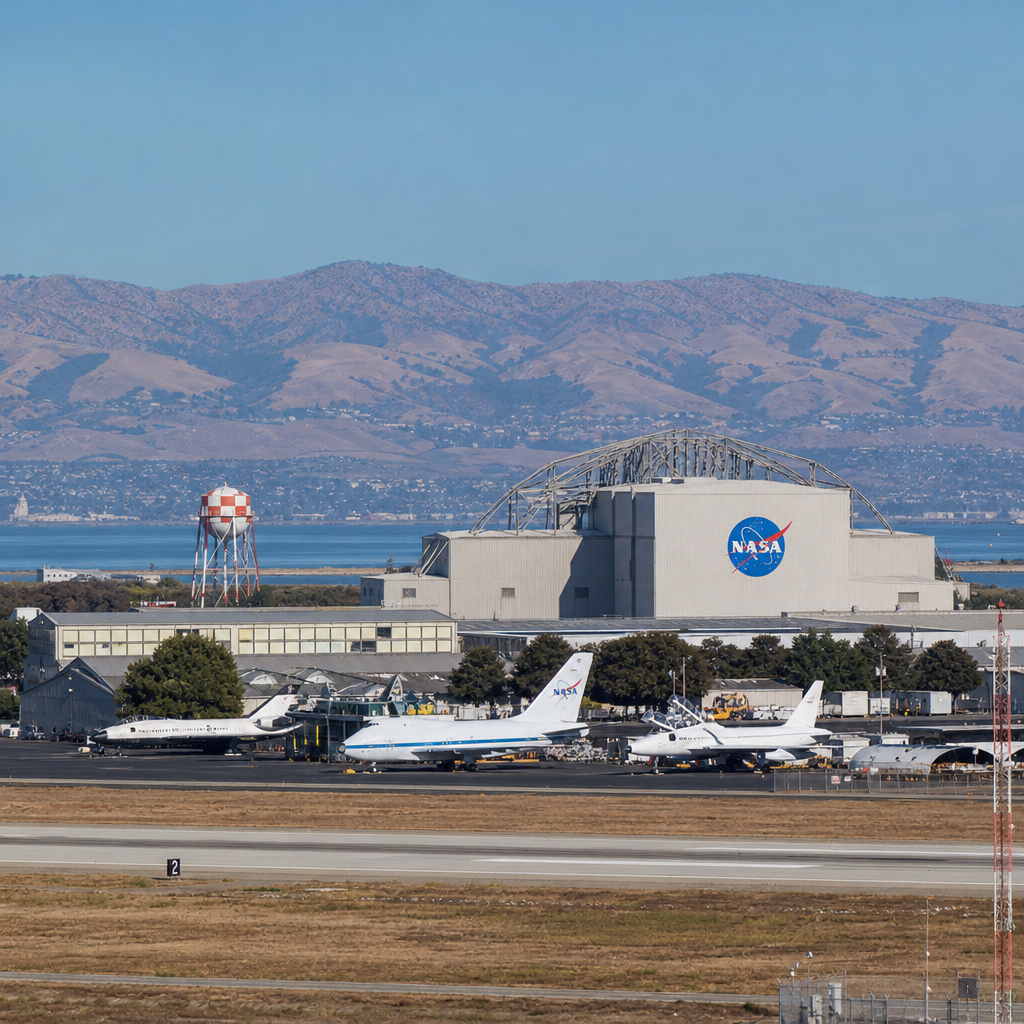
Stanford Research Park sits in Palo Alto adjacent to Stanford University, between San Francisco to the north and San Jose to the south, with direct access to the Peninsula corridor that later became one of the densest technology belts in the world. That placement mattered immediately. The area was close enough to campus for professors, graduate students, and administrators to interact regularly with firms, yet separate enough to preserve distinct commercial operations. It was also near El Camino Real, U.S. Route 101, and rail connections that linked the Peninsula to suppliers, customers, and government facilities. Before freeways fully defined the region, proximity to these transportation routes reduced the friction of moving people, prototypes, and equipment.
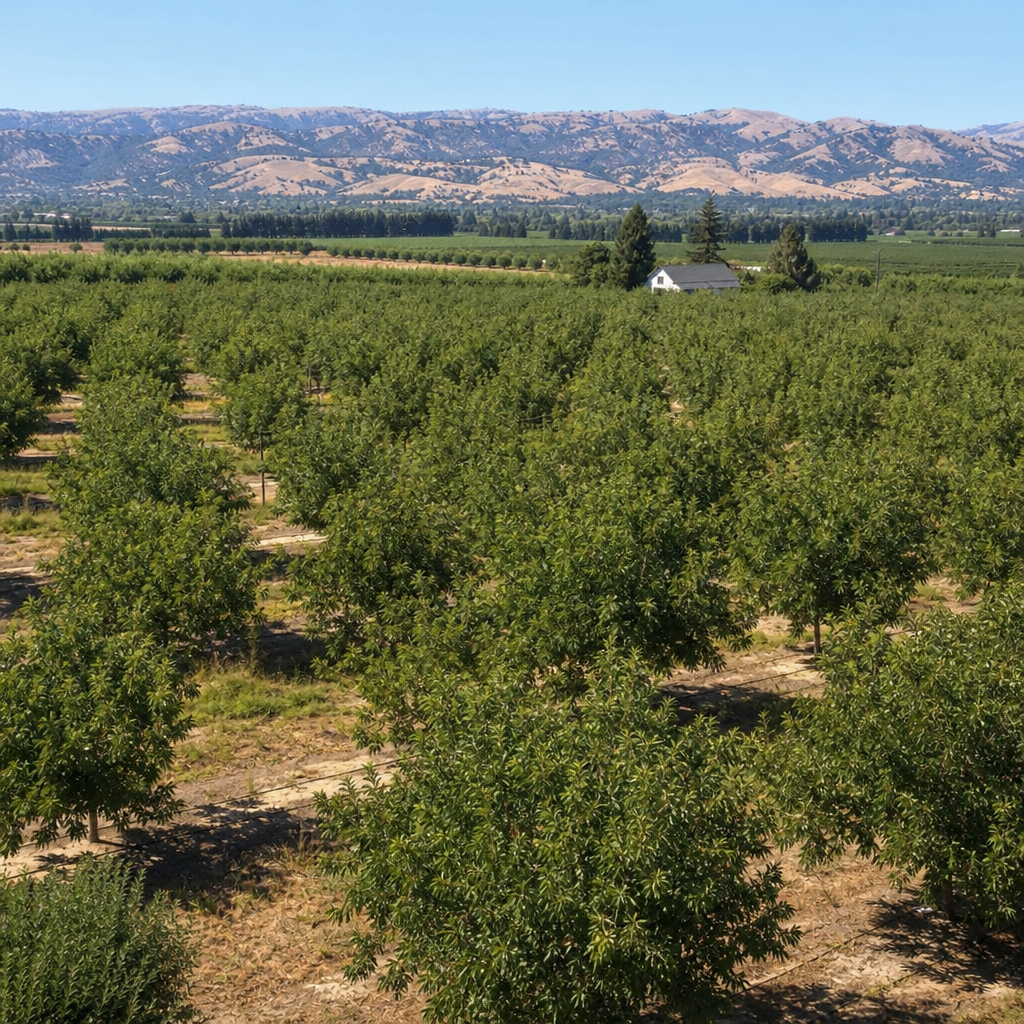
The physical landscape of the mid-twentieth-century Santa Clara Valley also shaped the park’s appeal. This was still a region of apricot and prune orchards, relatively low-density towns, and large parcels of land compared with older industrial centers such as Boston, Newark, or Chicago. Stanford controlled extensive acreage, which meant the university could plan development coherently instead of relying on fragmented real estate transactions. Low-rise buildings, generous setbacks, and campus-like landscaping were not aesthetic extras; they reflected abundant land and a deliberate preference for an environment suitable for laboratories and engineering offices. The park’s geography therefore supported a style of industrial development based on research, not smokestack manufacturing.
Climate played a quieter but real role. The Peninsula’s mild weather made year-round commuting easier and reinforced the open, suburban office model that would later define technology campuses. More important was human geography. Stanford University supplied a concentration of electrical engineering talent, especially under professor and dean Frederick Terman, while nearby military and aerospace activity created demand for electronics and communications expertise. In practical terms, firms locating in the park could recruit graduates, consult faculty, and participate in a regional labor market that was becoming unusually specialized. That concentration is a classic ingredient of innovation clusters, and Stanford Research Park institutionalized it early.
Origins: Stanford’s Land Problem and Frederick Terman’s Vision
The origin story begins with Stanford’s finances as much as with technology. Stanford University held substantial land assets but had restrictions on selling much of its endowment land outright. By the late 1940s, university leaders needed reliable revenue and a development model that would strengthen the institution academically. Leasing land for carefully selected industrial tenants solved both problems. Instead of disposing of strategic acreage, Stanford could create long-term income through ground leases while shaping the type of companies that occupied the site. This is a crucial historical point: the park was a real estate strategy, an academic strategy, and an economic development strategy at the same time.
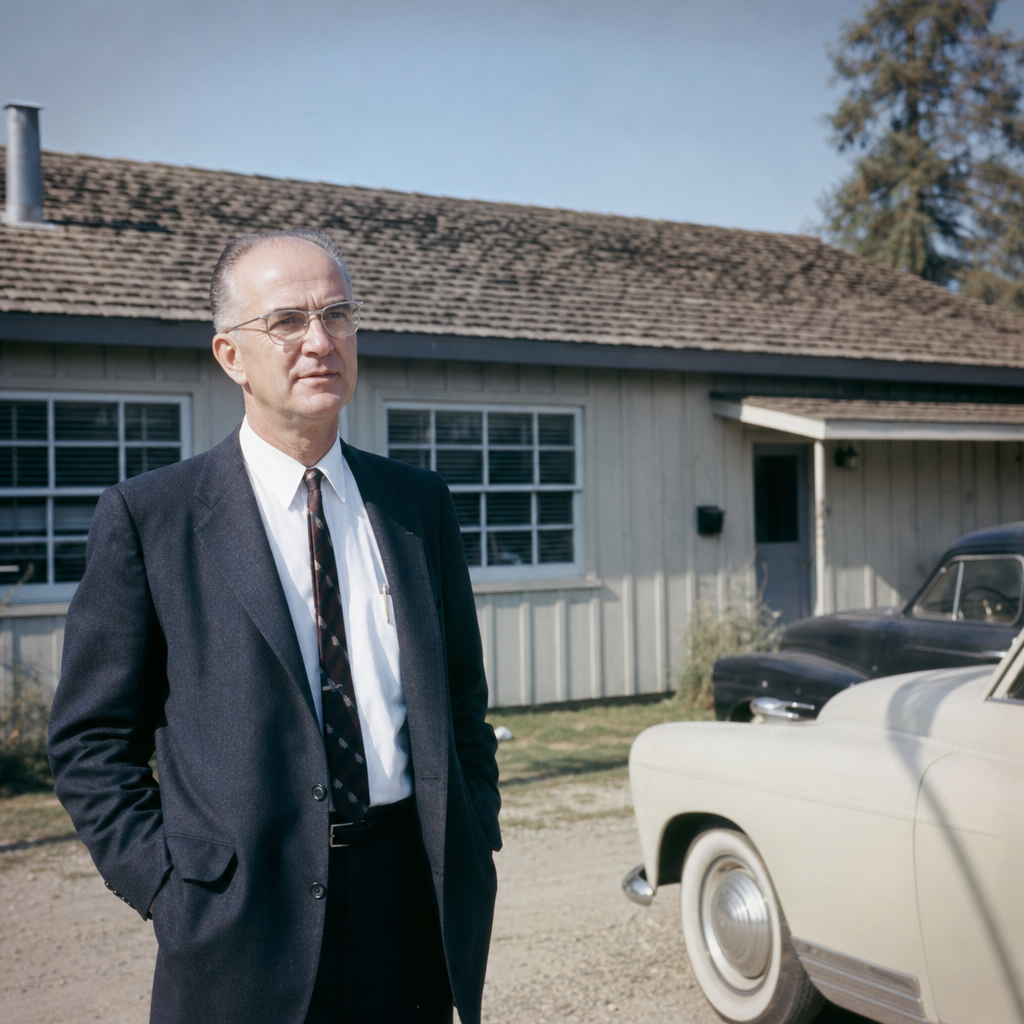
Frederick Terman was the central architect of the park’s intellectual rationale. Often described as a father of Silicon Valley, Terman pushed Stanford to cultivate close ties with industry, particularly in electronics. He had already encouraged technically gifted students such as William Hewlett and David Packard to build companies locally rather than leave for the East Coast. Terman understood a problem that many regions still face: universities can educate talent, but if local employers are absent, graduates leave and the benefits migrate elsewhere. Stanford Research Park was designed to reduce that leakage by bringing sophisticated employers to the university’s doorstep.
When Stanford Industrial Park was formally launched in 1951, the goal was not to fill space with any tenant willing to pay rent. The university sought companies involved in research, engineering, and compatible light industry. That selection standard mattered. It set expectations for tenant quality, minimized land-use conflicts, and increased the likelihood of knowledge spillovers among firms and between firms and Stanford. The policy also distinguished the park from ordinary suburban office subdivisions. In today’s terms, Stanford was curating an innovation district decades before that phrase became popular.
Early Tenants and the First Wave of Cluster Formation
Varian Associates is typically cited as the first major tenant, and that fact is significant because Varian was not a generic manufacturer. Founded by Russell and Sigurd Varian with physicist William Hansen and others, the company specialized in microwave technology, especially the klystron, which had applications in radar, communications, and scientific instrumentation. A firm like Varian fit Stanford’s ambitions perfectly: technically advanced, research-oriented, and closely tied to university science. Hewlett-Packard also became a prominent presence, reinforcing the park’s identity as a home for precision electronics and instrumentation rather than mass consumer production.
These early tenants created a demonstration effect. Once respected engineering firms showed that high-level work could thrive in Palo Alto, additional companies had reason to believe the location offered practical advantages, not just scenic appeal. Engineers could move between firms without leaving the region, suppliers could cluster nearby, and students could imagine local career paths. This is how a cluster starts to compound. One company alone does not create an ecosystem, but several related firms in proximity can build a labor market, a reputation, and a shared set of technical capabilities that attract more firms.
| Factor | How Stanford Research Park Used It | Why It Shaped Silicon Valley |
|---|---|---|
| University adjacency | Placed firms beside Stanford faculty, labs, and graduates | Accelerated hiring, collaboration, and idea transfer |
| Long-term land leases | Preserved Stanford control while generating stable revenue | Enabled patient development instead of short-term speculation |
| Selective tenancy | Favored electronics, research, and engineering firms | Created a focused technical cluster with shared needs |
| Regional transportation access | Connected Palo Alto to the Peninsula and Bay Area | Reduced friction for commuting, supply chains, and customer contact |
| Defense-era demand | Aligned tenants with federal electronics and communications spending | Injected capital and urgency into local technology development |
Defense Spending, Academic Research, and Regional Transformation
No account of Stanford Research Park’s origins is complete without the Cold War context. The 1950s and 1960s were decades of heavy federal investment in electronics, aerospace, radar, communications, and related fields. Companies with strong engineering capabilities could win military contracts or participate in supply chains linked to national defense. Stanford itself benefited from research funding, and the park gave nearby firms a strategic location from which to recruit talent and collaborate informally with academic experts. This interplay between federal spending, university research, and private enterprise was foundational to Silicon Valley’s early growth.
The park also helped convert the identity of Santa Clara Valley. Before semiconductors dominated the global image of the region, the area was widely known for agriculture. Stanford Research Park did not single-handedly end the Valley of Heart’s Delight, but it accelerated a visible land-use transition from orchards and open parcels to laboratories, offices, and specialized industrial facilities. That shift had ripple effects on housing, commuting, municipal services, and local politics. Communities that had once oriented themselves around agriculture increasingly confronted the opportunities and tensions of rapid high-technology expansion.
There were tradeoffs. Research parks can create economic concentration and land value inflation, and Stanford’s success contributed to a regional growth model that later produced severe housing affordability pressures. The suburban campus form also encouraged car dependence. Still, those later costs should not obscure the originality of the early model. Stanford Research Park proved that coordinated land management, university-industry collaboration, and tenant specialization could generate durable regional advantage. Many places have since tried to copy it, but few had the same combination of land control, academic prestige, federal demand, and entrepreneurial timing.
Why This Hub Matters for Historical Perspectives
As a sub-pillar hub for geography and origins, this page connects several core historical themes. The first is institutional design: Stanford used leases, tenant standards, and faculty relationships to shape development intentionally. The second is spatial history: Palo Alto’s position on the Peninsula and within the broader Bay Area created access to labor, infrastructure, and markets. The third is cluster economics: early tenants generated reinforcing advantages in recruitment, reputation, and specialized knowledge. The fourth is national context: defense funding and postwar research priorities amplified local strengths.
Readers who want to understand Silicon Valley beyond mythology should start here. Stanford Research Park shows that the Valley was not born only from brilliant founders in garages. It was also built through land policy, university governance, transportation geography, and carefully cultivated links between science and industry. The key takeaway is simple: place matters, and institutions matter just as much. If you are exploring Silicon Valley history, use this hub as your starting point, then follow the connected articles on early tenants, Stanford’s leadership, and the wider transformation of Santa Clara Valley into the world’s most influential technology region.
Frequently Asked Questions
What was Stanford Research Park originally, and why was it created?
Stanford Research Park began in the early 1950s as Stanford Industrial Park, a planned office and laboratory district built on Stanford University land in Palo Alto. Its creation was closely tied to Stanford’s need for long-term financial stability and its broader ambition to strengthen ties between academic research and real-world industry. Rather than selling land outright, the university used long-term ground leases, which allowed Stanford to retain control of the property while attracting companies that wanted to be close to faculty expertise, engineering talent, and emerging scientific research.
The park was not simply a real estate project. It was a strategic experiment in regional development. Stanford leaders understood that geography could shape innovation if the right institutions and companies were clustered together. By creating a dedicated environment for research-oriented firms near campus, the university helped establish a place where ideas, talent, and capital could circulate more easily. That model would become one of the defining features of Silicon Valley. In that sense, Stanford Research Park matters not just because it housed influential companies, but because it demonstrated how a university could actively help build an innovation ecosystem around itself.
Why is Stanford Research Park considered so important in the history of Silicon Valley?
Stanford Research Park is considered foundational because it gave physical form to a new kind of economic geography. Before “Silicon Valley” became a global shorthand for technology-driven growth, the park showed that research institutions, private companies, and a supportive regional setting could be organized into a highly productive cluster. That clustering effect mattered enormously. Firms could recruit from the same talent pool, employees could move between organizations, technical knowledge could spread informally, and relationships among engineers, managers, investors, and researchers could deepen over time.
Its importance also comes from timing. The park emerged during a period when electronics, defense research, semiconductors, and applied science were becoming central to postwar American industry. By offering a place where these sectors could grow near Stanford, the park helped channel national trends into a specific local region. Companies that located there were not isolated tenants in an office complex; they became part of a broader network that linked university laboratories, federal research funding, entrepreneurial ambition, and local infrastructure. That network helped transform the Santa Clara Valley from an area once associated more with orchards than microelectronics into the world’s most famous technology corridor.
Just as important, the park became a template others tried to copy. The idea that innovation could be cultivated through proximity to universities, specialized workspaces, and a concentration of knowledge-intensive firms was not obvious everywhere at the time. Stanford Research Park helped prove the concept. Its legacy lives on in research parks, science hubs, and university-industry districts around the world.
How did Stanford University’s relationship with private industry shape the park’s success?
Stanford University’s relationship with private industry was central to the park’s success because the university was not acting as a passive landlord. It served as a convener, a source of technical talent, and an institution with enough credibility to attract serious firms. Companies saw value in locating near Stanford because proximity created access to graduates, faculty expertise, and a culture that respected advanced engineering and scientific research. In practice, that meant the park could appeal to organizations that wanted more than office space; they wanted to be embedded in an environment where new ideas and skilled people were constantly emerging.
The university also benefited from the arrangement. Stronger links to industry created opportunities for research collaboration, student employment, and regional economic development. Those relationships helped reinforce Stanford’s role as a major engine of applied innovation. Over time, the traffic between campus and company campuses became one of the defining characteristics of the area. People moved between academic and commercial settings, and the boundaries between pure research, applied development, and entrepreneurship became more permeable.
That said, the park’s success was not based on closeness alone. It depended on a shared orientation toward long-term innovation. Stanford provided institutional stability and intellectual capital, while private companies brought investment, product development, and the ability to scale technologies into commercial impact. The result was a durable model of university-industry collaboration that influenced how later technology regions thought about partnership, land use, and economic strategy.
Which kinds of companies were drawn to Stanford Research Park, and what made the location attractive?
Stanford Research Park attracted companies involved in electronics, engineering, aerospace, defense-related research, semiconductors, and other technology-intensive fields. These were organizations that depended on highly trained workers, scientific knowledge, and a steady flow of technical problem-solving. For such firms, the location offered several advantages at once. It placed them near Stanford University, in a region increasingly oriented toward advanced research, and within a growing network of peer companies facing similar technological challenges.
Location mattered in both practical and strategic ways. Practically, firms could recruit engineers and researchers more effectively if they were close to campus. They could collaborate more easily, build relationships faster, and tap into a community already developing a reputation for technical excellence. Strategically, being in the park signaled participation in an emerging center of innovation. As more influential firms arrived, the value of being there increased. This is a classic clustering effect: every strong tenant made the location more useful and more prestigious for the next one.
The park’s physical setting also played a role. It was purpose-built for office and laboratory use rather than retrofitted from older urban industrial space. That made it especially suited to the needs of postwar research and development firms. Combined with Palo Alto’s regional advantages and Stanford’s institutional presence, the park offered something unusually powerful: a place where companies could do serious technical work while becoming part of a larger innovation ecosystem that would only grow more significant over time.
How did Stanford Research Park help create the model for modern innovation districts and research parks?
Stanford Research Park helped create the modern model by showing that innovation scales more effectively when it is supported by institutional design, not just individual brilliance. The park brought together three elements that are now widely recognized as essential: a major research university, private firms engaged in advanced development, and a specific geographic concentration that encourages repeated interaction. Today, those ideas feel familiar, but Stanford Research Park was influential precisely because it demonstrated how powerful that combination could be in practice.
Its model emphasized long-term planning over short-term occupancy. Stanford used land policy, tenant selection, and proximity to academic resources to shape the character of the district. The goal was not merely to fill buildings, but to cultivate a community of organizations whose work aligned with research, engineering, and technological advancement. That approach anticipated many of the principles behind contemporary innovation districts: intentional clustering, knowledge transfer, talent pipelines, and the blending of institutional and commercial activity.
The park also showed that regional geography is not just background context; it can be an active ingredient in economic transformation. By concentrating research-oriented firms in a carefully structured environment, Stanford helped create self-reinforcing advantages that lasted for decades. Talent stayed in the region, new companies spun out of existing networks, investors paid attention, and the local economy became increasingly specialized in high-growth technology sectors. That is why Stanford Research Park is so often discussed as more than a successful business park. It stands as one of the clearest early examples of how place-based strategy can help shape an entire innovation economy.