Sustainable technology is no longer a niche interest in Silicon Valley; it has become a core part of how engineers, founders, product managers, and investors think about building the next generation of companies. In the context of educational resources, sustainable technology means the tools, systems, and design practices that reduce environmental harm while still delivering commercial value, technical performance, and social usefulness. Eco-friendly innovation is the practical application of that idea: cleaner energy systems, lower-carbon computing, circular manufacturing, efficient buildings, climate data platforms, and supply chain software that helps organizations measure and reduce waste.
Across the learning curve, Silicon Valley’s courses on eco-friendly innovation matter because they shape what future teams build, fund, and scale. I have reviewed programs from universities, startup accelerators, workforce bootcamps, and corporate training groups, and the strongest courses share a clear pattern. They connect climate science to product development, teach life cycle thinking instead of isolated feature design, and force students to evaluate tradeoffs using cost, emissions, reliability, and policy constraints. That combination is what turns broad environmental concern into usable technical judgment.
For readers looking for a hub page under educational resources, this guide explains what these courses cover, who they serve, and how to choose the right pathway. It also answers the practical questions learners ask first: which skills are most valuable, how academic programs differ from short courses, what employers actually recognize, and where sustainable technology overlaps with software, hardware, energy, and operations. Silicon Valley remains influential because its institutions often define the curriculum that later spreads to online learning platforms, university partnerships, and enterprise reskilling programs worldwide.
What Silicon Valley courses on sustainable technology usually teach
The best sustainable technology courses do not treat sustainability as a branding layer added after product development. They teach it as an engineering and business constraint from the start. In practice, that means students learn carbon accounting basics, energy systems literacy, materials selection, lifecycle assessment, environmental compliance, and the economics of adoption. A course centered on data centers, for example, might examine power usage effectiveness, cooling design, renewable power procurement, and software optimization that reduces compute demand. A hardware course may focus on embodied carbon, recyclability, and supplier transparency.
Many programs also teach systems thinking. That matters because eco-friendly innovation rarely succeeds by optimizing a single component. Electric vehicles depend on battery chemistry, grid capacity, charging behavior, mineral sourcing, manufacturing efficiency, and policy incentives. Climate software depends on credible emissions factors, auditable reporting, and integration with ERP systems such as SAP or Oracle. In strong classrooms, instructors use case studies from Tesla, Google, Apple, Sunrun, Redwood Materials, and Watershed to show how technical design choices connect with regulation, operations, and customer trust.
Another common element is measurement. Students are often introduced to the Greenhouse Gas Protocol, Science Based Targets initiative criteria, ISO 14001 environmental management principles, and lifecycle assessment methods aligned with ISO 14040 and 14044. These standards are important because employers need graduates who can move beyond slogans and work with recognized frameworks. If a course claims to teach climate product strategy without discussing scope 1, 2, and 3 emissions, avoided emissions, or data quality limitations, it is probably too shallow for serious career development.
Where learners find these programs and how formats differ
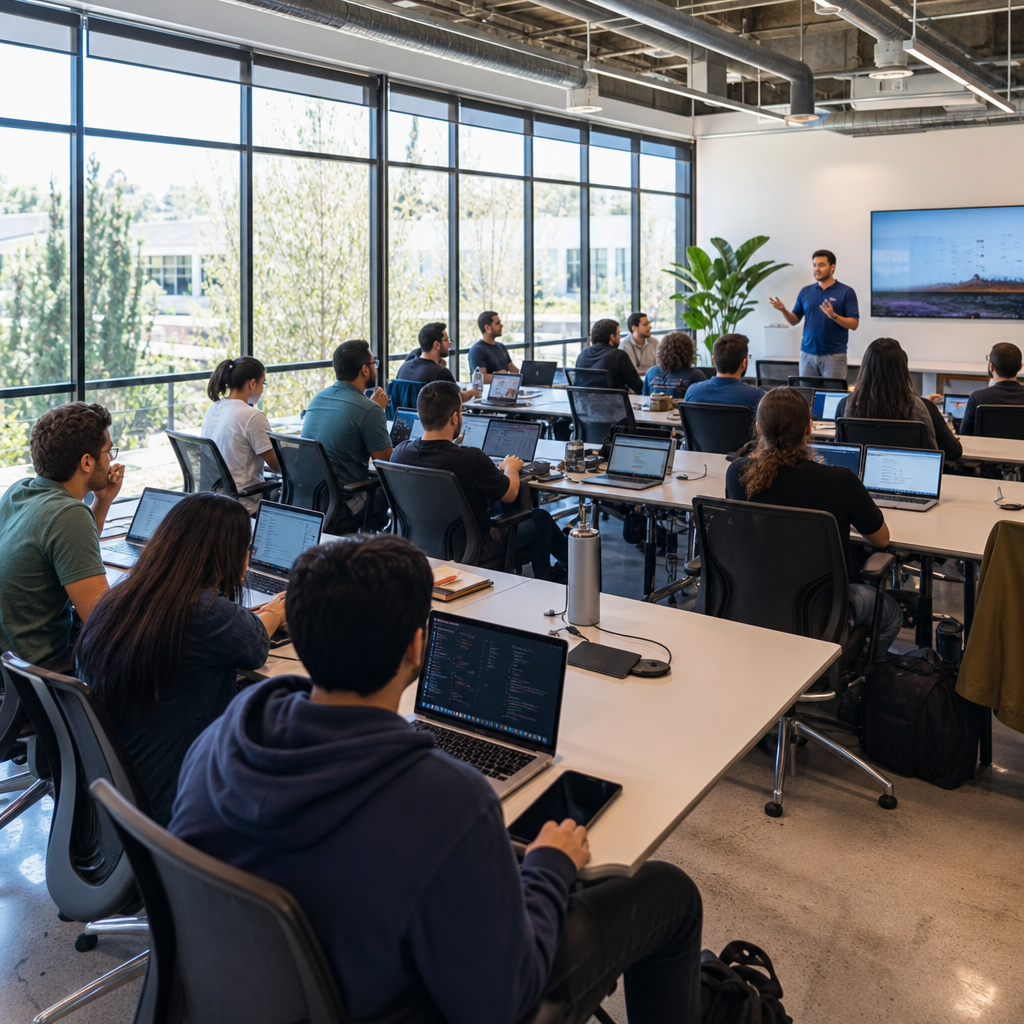
Silicon Valley offers sustainable technology education through several channels, each with a distinct learning curve. Stanford continuing studies and engineering-linked programs often provide rigorous foundations in energy, policy, and entrepreneurship. UC Berkeley, though technically across the Bay, strongly influences the region through climate tech research, the Haas business ecosystem, and programs connected to Lawrence Berkeley National Laboratory. Bootcamps and certificate providers usually move faster, translating industry needs into shorter modules on carbon accounting software, clean energy finance, ESG data operations, or sustainable product management.
Corporate learning is another major track. Large firms including Google, Microsoft, Intel, and Salesforce train employees on renewable energy procurement, responsible AI infrastructure, sustainable cloud design, and supplier emissions reporting. These courses may not be public, but they shape the skills the market values. Startup incubators and venture platforms add a different angle: founder education on climate markets, unit economics, policy timing, and pilot deployment. In my experience, these founder-oriented courses are especially useful for people who already have technical depth and need commercialization context.
Format affects outcomes more than many learners expect. A semester-long university course is usually best for theory, research methods, and interdisciplinary problem framing. A six-week applied certificate often works better for career changers who need portfolio evidence quickly. Workshops tied to hackathons can be effective for prototyping but weak on durable mastery unless paired with deeper study. The right choice depends on whether the learner needs conceptual fluency, job-ready execution, or venture-building support.
Core skills that define the sustainable technology learning curve
Most learners progress through predictable stages. First comes climate literacy: understanding emissions sources, energy flows, and why sectors such as transport, buildings, industry, and agriculture decarbonize differently. Second comes analytical fluency, including basic lifecycle assessment, carbon accounting, cost-benefit modeling, and policy interpretation. Third comes applied specialization, where learners choose a domain such as batteries, grid software, sustainable semiconductors, carbon management platforms, circular packaging, or low-energy machine learning infrastructure.
Employers in Silicon Valley increasingly look for blended skill sets rather than single-discipline credentials. A product manager may need to translate emissions data into features customers can act on. A software engineer may need to optimize cloud workloads for both latency and energy consumption. A hardware designer may need familiarity with design for disassembly, conflict mineral compliance, and supplier scorecards. Even nontechnical roles require precision. Climate communications teams now rely on claims substantiation rules, because unsupported language around “carbon neutral” or “net zero” can create regulatory and reputational risk.
| Course Type | Best For | Typical Skills Gained | Main Limitation |
|---|---|---|---|
| University course | Deep foundations | Energy systems, policy, lifecycle methods | Slower pace |
| Bootcamp or certificate | Career changers | Carbon tools, product strategy, reporting workflows | Less theory |
| Corporate training | Working professionals | Operational implementation, supplier data, compliance | Narrow scope |
| Accelerator education | Founders and operators | Market selection, pilots, climate unit economics | Assumes prior knowledge |
This progression matters because sustainable technology is not learned effectively through inspiration alone. People need practice with boundary setting, data assumptions, return-on-investment calculations, and technology readiness levels. The strongest hub-level educational resources point learners from introductory material toward increasingly specialized articles, labs, and projects that mirror real work.
How eco-friendly innovation is taught through real-world examples
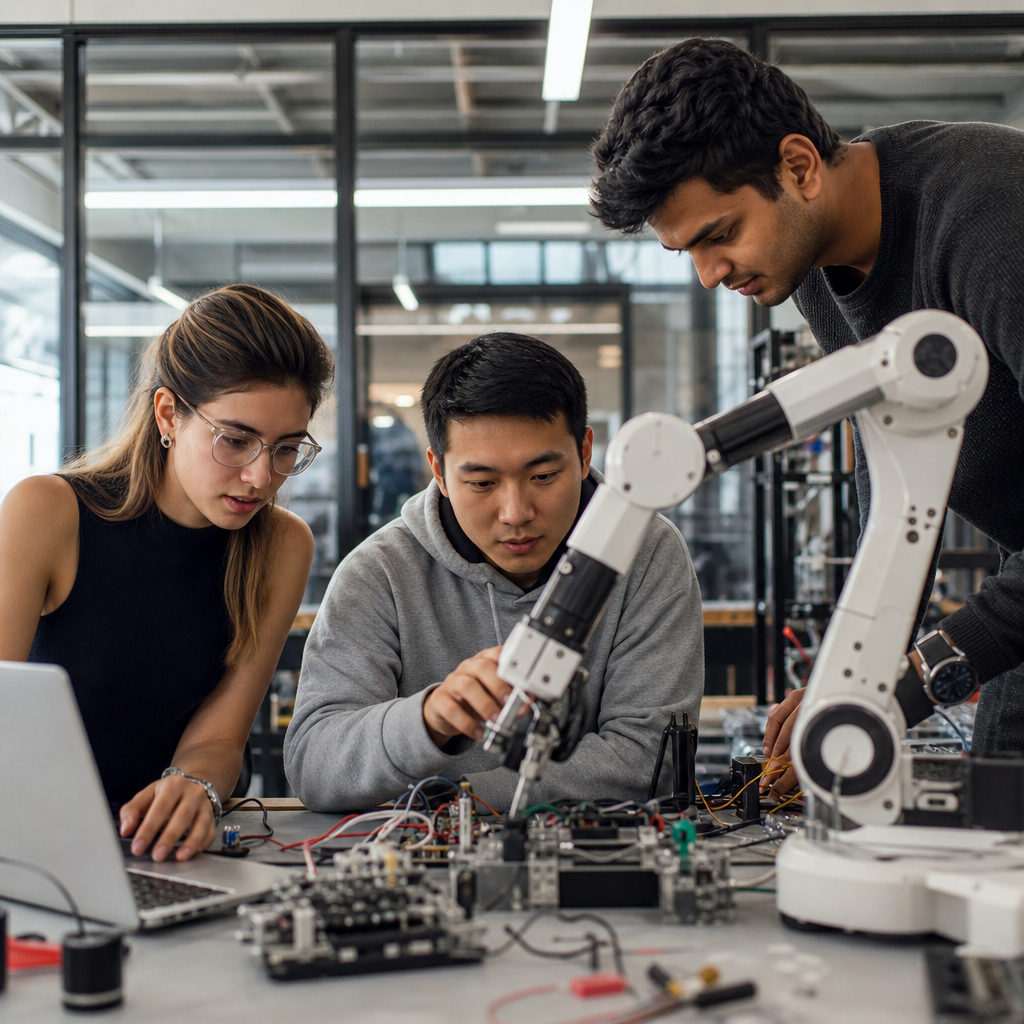
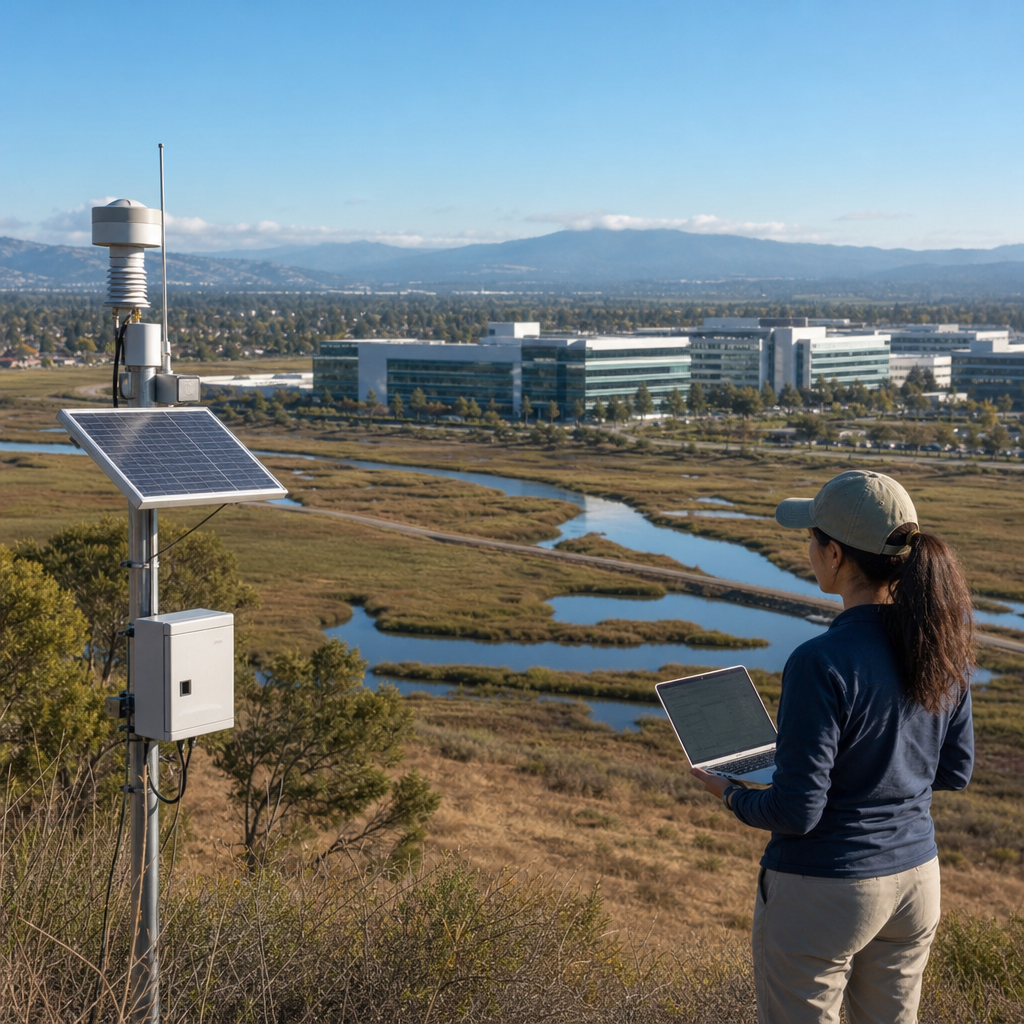
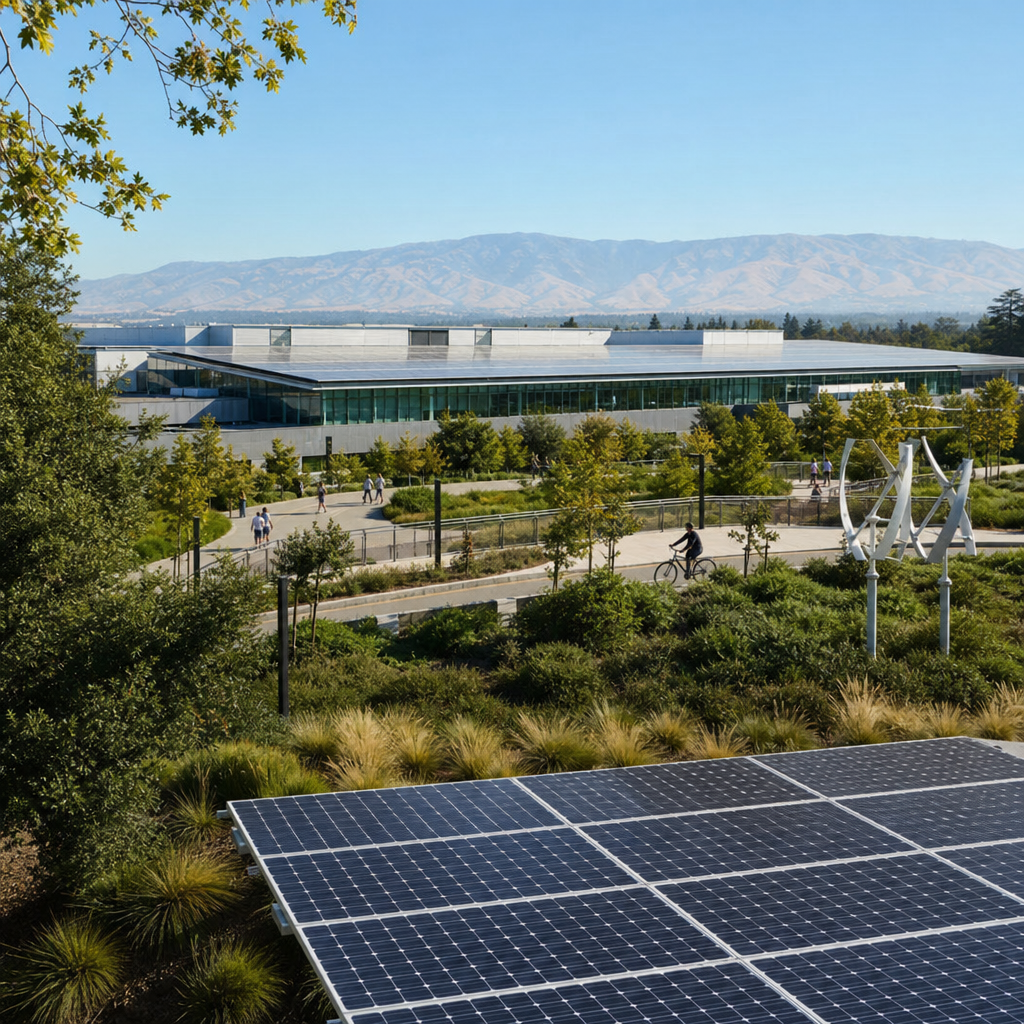
Applied examples separate strong courses from abstract ones. In clean energy modules, students may model the economics of residential solar plus storage, comparing equipment cost declines, permitting friction, and local utility rate structures. In sustainable computing classes, they might assess how chip efficiency, server utilization, and cooling architecture affect data center emissions. In circular economy coursework, students often examine how companies redesign packaging, recover materials, or extend device life through repairability and refurbishment.
Silicon Valley instructors frequently use startups and platform companies as teaching cases because the region rewards speed, iteration, and measurable outcomes. Consider a course project on fleet electrification software. Students would need to evaluate route predictability, charging windows, battery degradation, depot infrastructure, and incentives from the Inflation Reduction Act. A project on sustainable e-commerce logistics might look at packaging density, return rates, warehouse energy use, and shipment consolidation. These are not hypothetical sustainability ideals; they are operating decisions with direct financial consequences.
Good programs also show where eco-friendly innovation can fail. Carbon accounting platforms can produce unreliable outputs when supplier data is incomplete. Building management systems may save energy on paper but underperform if facilities teams cannot maintain them. Alternative materials can lower emissions yet struggle with durability, availability, or certification. Teaching those limitations builds better judgment and prepares learners to challenge assumptions instead of repeating trend language.
Choosing the right course for career goals and credible outcomes
The best course is the one that matches a specific professional objective. Someone aiming for climate product management should prioritize programs that teach market segmentation, user research, regulatory context, and emissions measurement in one package. An engineer moving into clean hardware should look for coursework in materials, manufacturing constraints, and reliability testing. Professionals targeting sustainability operations roles should focus on GHG inventories, supplier engagement, disclosure systems, and enterprise software workflows.
Before enrolling, check for four indicators of quality. First, review the syllabus for named standards, tools, and case studies. Second, verify instructor background; strong teachers usually have operating or research experience, not just advisory titles. Third, examine deliverables. Projects, memos, dashboards, and lifecycle models are more valuable than passive quizzes. Fourth, look for evidence of industry relevance, such as partnerships with utilities, climate startups, corporate sustainability teams, or laboratories. A credible program should explain exactly how learners will apply the material in real settings.
Cost and time matter, but prestige alone is not enough. I have seen expensive programs deliver inspiring lectures with little practical training, while shorter certificates produced graduates who could build emissions inventories, assess product tradeoffs, and contribute on day one. For a sub-pillar hub on the learning curve, the clearest advice is simple: start with broad literacy, add one measurable skill, then choose a sector specialization supported by projects. That sequence builds momentum without locking learners into the wrong niche too early.
Sustainable technology education in Silicon Valley works best when it turns climate ambition into disciplined execution. The most useful courses define the problem clearly, teach standards that employers trust, and connect environmental goals to product design, operations, finance, and policy. They also respect the learning curve. Beginners need a foundation in systems and terminology, intermediate learners need analytical tools, and advanced practitioners need domain-specific practice tied to real constraints.
As a hub within educational resources, this topic should guide readers toward deeper articles on climate software, clean energy, circular design, sustainable hardware, and carbon accounting. The central lesson is consistent across all of them: eco-friendly innovation is not a single skill but a stack of competencies that can be learned, tested, and applied. The right course accelerates that process by giving learners the vocabulary, frameworks, and examples to make better decisions at work.
If you are evaluating Silicon Valley’s courses on eco-friendly innovation, choose a program that teaches measurable methods, uses current case studies, and requires applied work. Then map your next step on the learning curve and keep building from there.
Frequently Asked Questions
What do Silicon Valley courses on sustainable technology usually cover?
Most Silicon Valley courses on sustainable technology combine environmental thinking with practical product and business strategy. Rather than treating sustainability as a separate topic, these programs usually show how eco-friendly innovation fits into engineering, entrepreneurship, design, operations, and investment decisions. Students often study how to reduce energy use, cut material waste, improve supply chain efficiency, design for repairability, and measure environmental impact across a product’s lifecycle. In many cases, coursework also explores clean energy systems, climate software, sustainable manufacturing, carbon accounting, circular economy models, and data-driven resource optimization.
A strong course will typically go beyond theory. It may include case studies from startups and large technology companies, hands-on projects, and frameworks for evaluating tradeoffs between cost, speed, performance, and environmental outcomes. For example, students might analyze how a company can redesign hardware to use fewer scarce materials, or how software infrastructure can be optimized to lower energy consumption in data centers. The emphasis is usually on building solutions that are technically credible, commercially viable, and environmentally responsible at the same time. That balance is what makes these programs especially relevant in Silicon Valley, where innovation is expected to scale quickly and deliver measurable results.
Who should take eco-friendly innovation courses in Silicon Valley?
These courses are valuable for a wide range of professionals, not just environmental specialists. Engineers can benefit because sustainable design increasingly affects how products are built, deployed, and maintained. Product managers often take these courses to learn how to align user needs, market demand, and environmental goals in a realistic roadmap. Founders and startup teams use them to understand how sustainability can create differentiation, reduce operational risk, and appeal to investors, customers, and regulators. Investors and business leaders also find them useful because they provide a better framework for identifying which climate-focused ideas have long-term commercial potential.
They are also a strong fit for students, career changers, policy professionals, and operators in adjacent industries such as manufacturing, transportation, real estate, and energy. Anyone involved in decision-making around technology can benefit from understanding lifecycle thinking, emissions reduction, sustainable sourcing, and climate-related market trends. In Silicon Valley especially, sustainability is no longer limited to a specialized green-tech niche. It increasingly shapes mainstream product development and company strategy. That means these courses are helpful for people who want to launch climate-focused ventures as well as those who simply want to make existing products and systems more efficient, resilient, and responsible.
How do these courses connect sustainability with real-world business innovation?
The strongest programs make it clear that sustainable technology is not only about reducing harm; it is also about building better businesses. In Silicon Valley, eco-friendly innovation is often taught as a competitive advantage. Courses commonly examine how efficient energy use lowers costs, how circular design can reduce dependence on volatile raw materials, and how transparent environmental metrics can strengthen trust with customers and investors. Students learn that sustainability decisions can influence product performance, compliance readiness, brand value, and long-term scalability.
Real-world business relevance usually comes through applied assignments and market-focused analysis. A course may ask students to evaluate a startup idea through both financial and environmental lenses, estimate the return on investment of cleaner infrastructure, or identify where sustainability claims create genuine value versus marketing noise. This practical framing is important because many organizations want solutions that work in the market now, not just in principle. By linking environmental responsibility with product-market fit, operational efficiency, and strategic growth, these courses help learners see sustainability as an innovation discipline rather than a public relations exercise.
What skills can learners gain from studying sustainable technology and eco-friendly innovation?
Learners often come away with a mix of technical, strategic, and analytical skills. On the technical side, they may build familiarity with lifecycle assessment, carbon footprint measurement, energy efficiency principles, sustainable materials, systems thinking, and climate data tools. Depending on the course, they may also learn about green software practices, renewable energy integration, emissions reporting platforms, responsible hardware design, or sustainable supply chain modeling. These are highly relevant skills as more companies seek employees who can evaluate environmental impact without losing sight of product quality and operational constraints.
Just as important are the broader decision-making skills these courses develop. Students learn how to assess tradeoffs, prioritize interventions with the biggest impact, interpret sustainability metrics, and communicate environmental strategy to stakeholders who may have different priorities. They may also strengthen their ability to identify climate-related business opportunities, design more resilient systems, and translate sustainability goals into execution plans. In Silicon Valley’s fast-moving environment, the most valuable skill is often the ability to connect environmental insight with practical innovation. These courses help learners do exactly that by training them to think across engineering, business, policy, and market realities.
Why is Silicon Valley an important place to study sustainable technology today?
Silicon Valley remains one of the most influential ecosystems for turning ideas into scalable products and companies, which makes it a powerful setting for sustainable technology education. The region brings together startups, research institutions, venture capital, major technology firms, and a culture that rewards experimentation. When sustainability is taught in this environment, it is often framed not just as a social responsibility issue but as a design, infrastructure, and market challenge that can be solved through innovation. That gives learners exposure to both cutting-edge ideas and the commercial frameworks needed to bring them to life.
Another reason Silicon Valley matters is that many of the world’s technology decisions are shaped there, from cloud infrastructure and hardware design to mobility platforms, AI applications, and enterprise software. As these sectors face growing pressure to reduce environmental impact, the demand for leaders who understand eco-friendly innovation continues to rise. Courses in the region often reflect this urgency by focusing on scalable solutions, measurable outcomes, and interdisciplinary collaboration. For anyone interested in the future of sustainable technology, Silicon Valley offers a uniquely practical lens: how to build systems that are cleaner, smarter, investable, and ready for broad adoption.