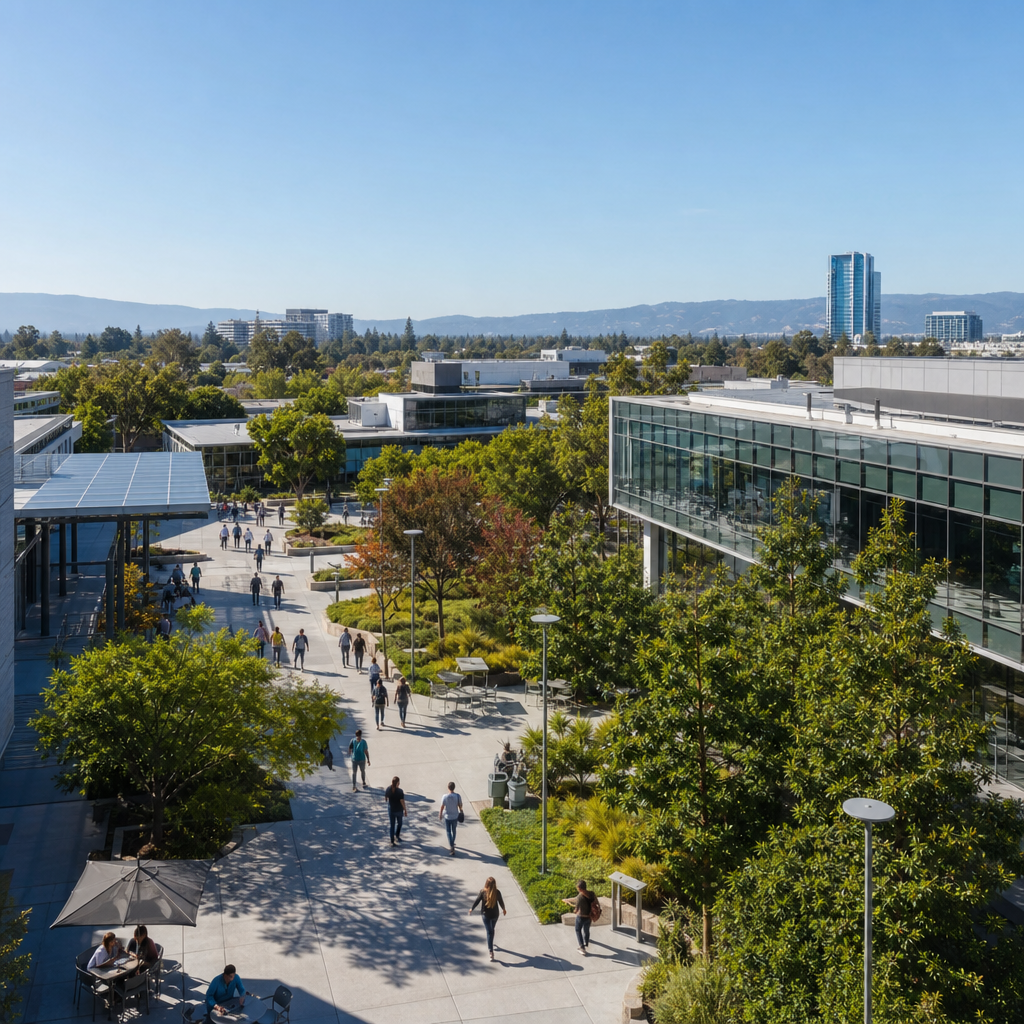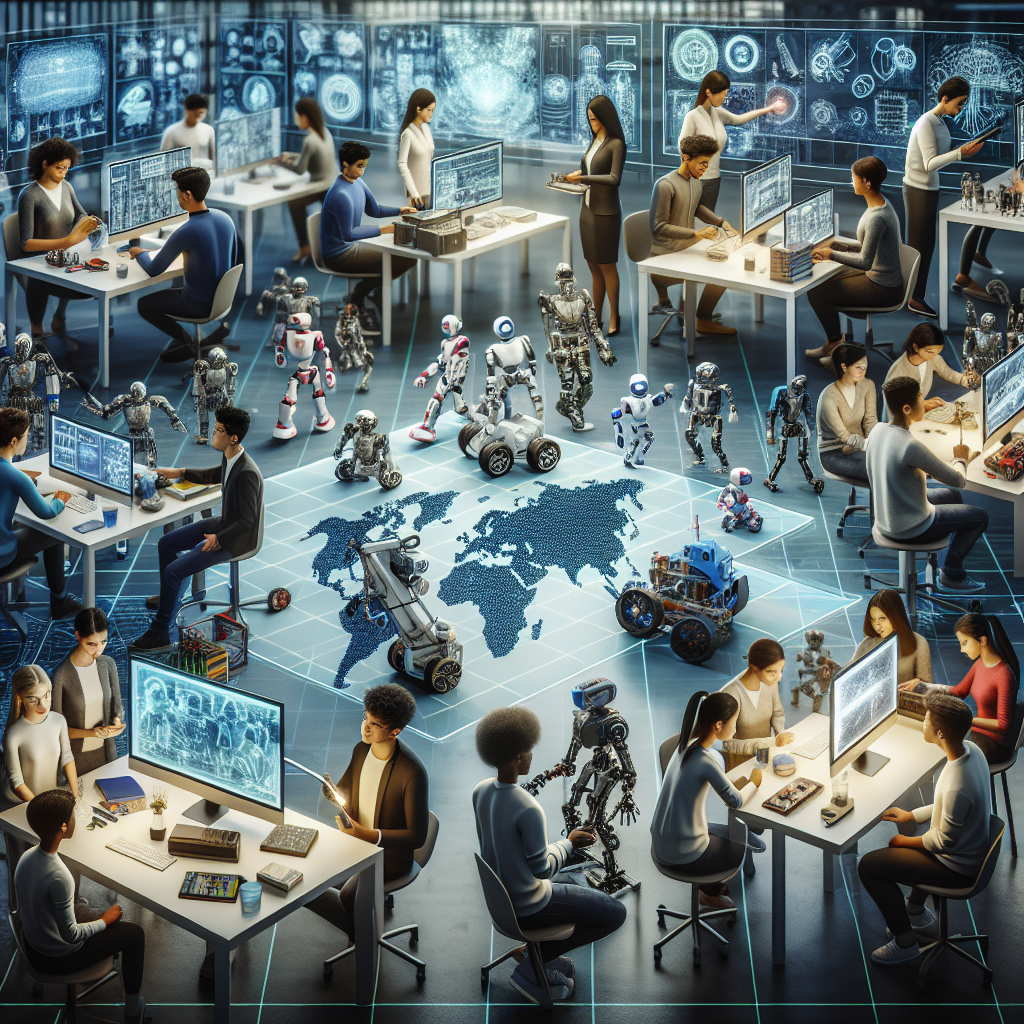
Silicon Valley has long been at the forefront of technological innovation, influencing everything from personal computing to the world wide web. Today, the region is also a leader in the educational sector, particularly when it comes to robotics. As the world moves swiftly towards a future dominated by automation and artificial intelligence, Silicon Valley’s educational programs are training the next generation of thinkers and tinkerers. These initiatives are crucial for maintaining the United States’ competitive edge in technology. This article delves into the various educational resources in Silicon Valley that are molding future roboticists.
The Importance of Robotics Education
Robotics is no longer a futuristic concept; it’s a burgeoning field with implications across industries such as healthcare, manufacturing, and logistics. Robotics education introduces students to STEM (Science, Technology, Engineering, and Mathematics) fields in an engaging and practical manner. Learning robotics does not only mean understanding how machines operate but also developing critical thinking, problem-solving, and project management skills.
Moreover, robotics fosters creativity and innovation, helping students think outside the box. In a world where technological advancements are accelerating, having a robust foundation in robotics can provide students with critical skills that are almost universally applicable. Educational institutions in Silicon Valley are harnessing the potential of robotics to prepare students for a future where the interaction between humans and machines is seamless and symbiotic.
Silicon Valley Pioneers: Educational Institutions Leading the Charge
Stanford University is a powerhouse in robotics education, home to the Stanford Robotics Lab, which focuses on creating robots that can perform tasks autonomously. The university offers courses and degrees in robotics and AI, providing students access to cutting-edge research and development.
Next, the University of California, Berkeley is another heavy hitter. Berkeley’s Robotics and Intelligent Machines Lab offers educational programs that focus on the principles and applications of robotics. The university’s approach combines theoretical learning with hands-on experience, giving students a complete understanding of the field.
Additionally, San Jose State University offers specialized programs in mechatronics, a multidisciplinary field that combines mechanical engineering, electronics, computer science, and control engineering. This comprehensive approach ensures that students receive a well-rounded education in robotics, making them job-ready upon graduation.

Commercial Ventures in Education: Tech Giants and Startups
Silicon Valley is not just home to leading educational institutions but also to tech giants like Google, Apple, and Facebook, which are heavily invested in the future of robotics. These companies run numerous internship programs, hackathons, and coding contests that expose students to real-world applications of robotics.
Take Google’s AI for Social Good program, for example. It provides resources and support for students and researchers working on projects that use AI and robotics to address social issues. Likewise, Apple’s Swift Playgrounds offers a fun and intuitive way for younger students to learn coding fundamentals, which are critical for robotics.
Startups in Silicon Valley are also playing a crucial role. Companies like Sphero and LittleBits offer interactive learning kits that schools can use to teach robotics and coding. These kits are often accompanied by curriculums that align with national education standards, making them an invaluable resource.
The Role of Non-Profit Organizations
Non-profit organizations are another significant force in promoting robotics education in Silicon Valley. For instance, the Robotics Education & Competition Foundation runs the VEX Robotics Competition, which sees participation from schools across the country. These competitions offer students a platform to showcase their skills and innovations in robotics.
FIRST (For Inspiration and Recognition of Science and Technology) is another prominent organization that provides extracurricular programs centered around robotics. FIRST’s LEGO League and Tech Challenge are popular among young students and offer a playful yet educational introduction to the world of robotics.
Additionally, Girls Who Code is making great strides in breaking the gender stereotypes in technology. By offering specialized programs and camps, they are inspiring more young girls to pursue careers in robotics and technology.
The Impact of Public and Private Education Collaborations
Public schools in Silicon Valley are increasingly incorporating robotics into their curricula, often in collaboration with tech companies and universities. One exemplary initiative is the Silicon Valley Education Foundation’s (SVEF) STEM programs, which include Robotics and Mechatronics. These programs are designed to provide a comprehensive STEM education, thereby equipping students with the skills necessary for the 21st century.
Private schools are also investing heavily in robotics education. Schools like The Nueva School and Harker School offer specialized labs and courses dedicated to robotics and AI. These schools often collaborate with industry experts to ensure that their curriculum is up-to-date with the latest technological advancements.
These collaborations between public and private entities ensure that a wide range of resources is pooled together, making advanced robotics education accessible to a broader audience. By breaking down the barriers between public and private education, Silicon Valley is creating a more inclusive and effective educational ecosystem.
The Future of Robotics Education in Silicon Valley
The future of robotics education in Silicon Valley looks promising, as educational institutions continually adapt to technological advancements. Augmented Reality (AR) and Virtual Reality (VR) labs are being set up to offer immersive learning experiences. These technologies can simulate real-world challenges, providing students with hands-on experience in a controlled environment.
Moreover, Artificial Intelligence is beginning to permeate educational programs. AI tutors that provide personalized learning experiences are gradually being introduced, making it easier for students to grasp complex concepts. The synergy between AI and robotics education is expected to open new avenues for learning that were previously unimaginable.
As 5G technology becomes ubiquitous, the Internet of Things (IoT) will become an integral part of robotics education. Connected devices will allow students to remotely control and monitor robotic systems, broadening the scope of experiential learning. With continuous support from tech companies, educational institutions, and non-profits, Silicon Valley is poised to remain a leader in robotics education.
Conclusion
The integration of robotics into educational programs in Silicon Valley is more than just a trend; it’s a transformative movement that’s setting the stage for the future. Through the concerted efforts of universities, tech giants, startups, non-profits, and public-private collaborations, the region is fostering a new generation adept in the skills of tomorrow. These initiatives are not just improving academic outcomes but are also making profound societal impacts by addressing real-world challenges through innovative solutions.
In summary, Silicon Valley’s multifaceted approach to robotics education is preparing students for an exciting and technologically rich future. Whether it’s through immersive learning experiences, collaborations with industry, or fostering inclusive educational programs, Silicon Valley continues to be a pioneering force in shaping the landscape of robotics education. As we look ahead, it’s clear that the commitment to advancing robotics education in this region will not only sustain its legacy of innovation but will also profoundly influence the next generation of technological advancements.