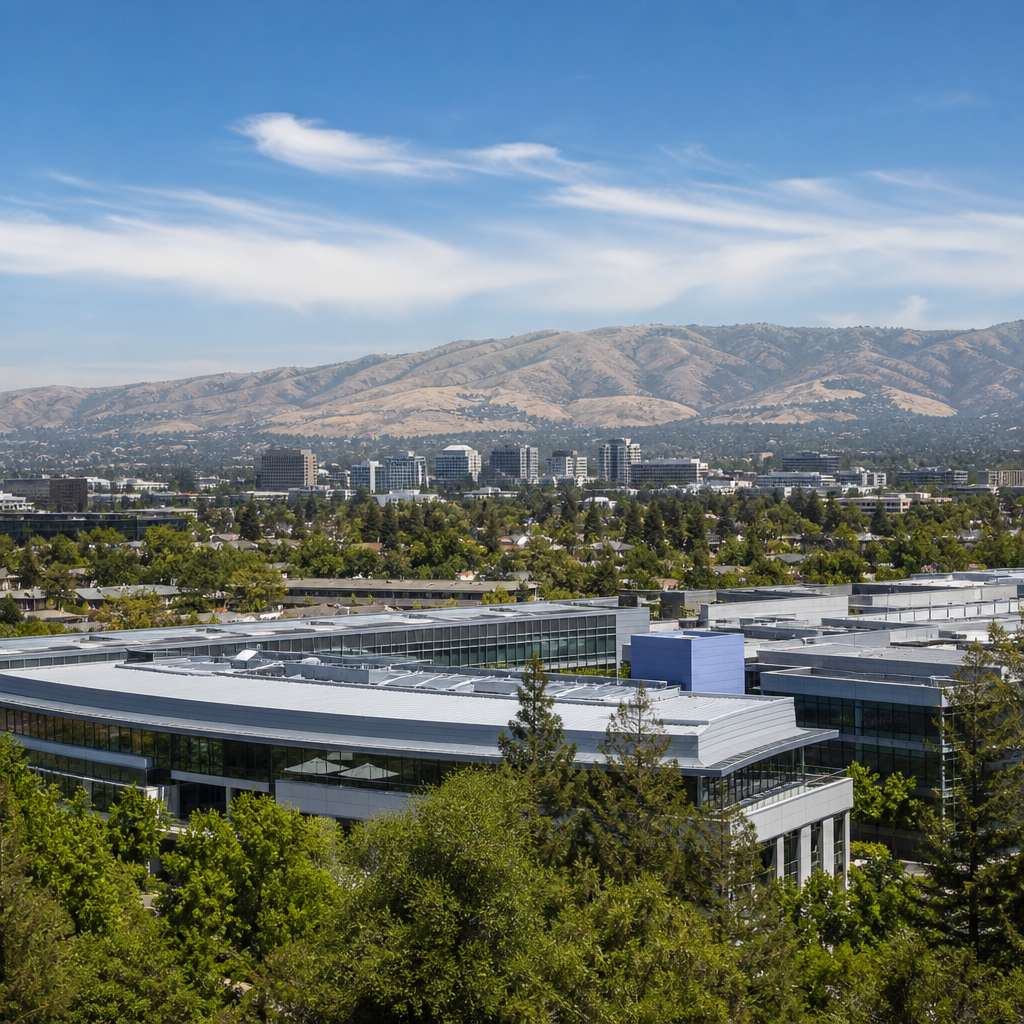
Silicon Valley, home to some of the world’s leading technology companies and innovative startups, is not just the epicenter of technological advancements but is also progressively transforming into a hub for sustainable tech developments. With the constant global push towards ecological responsibility and combating climate change, the tech giants of Silicon Valley have a prominent role to play. In this article, we delve into the various ways Silicon Valley influences the development of sustainable technologies and the implications these innovations have on our future.
The Legacy of Innovation in Silicon Valley
Silicon Valley’s reputation as a cradle of innovation dates back to the post-World War II era, where government funding and research institutions paved the way for the development of semiconductors. Over the decades, it became synonymous with groundbreaking technological breakthroughs, leading to the birth of iconic companies like Hewlett-Packard, Apple, and Google. The Valley’s unique ecosystem, which includes a blend of ambitious entrepreneurs, abundant venture capital, and a collaborative culture, facilitates a relentless drive towards innovation.
As society evolves and faces new challenges, such as environmental sustainability, Silicon Valley’s dynamic landscape has the capability to pivot and address these needs. This transitional capability stems from a longstanding tradition of adapting and pioneering new technologies, reinforcing its status as a global leader in tech innovation. Given its historical context and its resources, the Valley is thus perfectly positioned to spearhead sustainable tech solutions.
Green Technologies and Renewable Energy
In the pursuit of a sustainable future, renewable energy and green technologies are at the forefront. Silicon Valley companies are investing significantly in solar, wind, and other renewable energy sources, acknowledging the necessity of reducing dependence on fossil fuels. One of the most notable examples is Tesla, which revolutionized the automotive industry with its electric vehicles (EVs) and clean energy products like solar roofs and power storage solutions.
Startups and established firms in the Valley are also advancing in the development of energy-efficient technologies. For instance, companies like Solyndra and Bloom Energy are working on innovative solar panel designs and fuel cell technology, respectively. There’s a significant focus on improving battery technology as well, ensuring that renewable energy can be stored and utilized efficiently. By harnessing the potential of renewable energy sources, Silicon Valley is reducing the carbon footprint and fostering sustainable living.
Big Data and AI for Environmental Sustainability
Big Data and Artificial Intelligence (AI) have emerged as powerful tools in tackling environmental issues. Silicon Valley’s tech firms are exploring ways to leverage these technologies to optimize energy use, monitor environmental changes, and predict future trends. Google’s DeepMind, for instance, has been instrumental in reducing energy consumption in data centers using AI-driven predictions.
Another significant initiative is the use of AI for climate modeling and environmental monitoring. Startups like Jupiter Intelligence are developing technologies to assess climate risks and provide insights for mitigating their impacts. Furthermore, AI and Big Data are instrumental in enhancing agricultural sustainability by enabling precision farming techniques that optimize resource use and increase crop yields while minimizing environmental impact.
Smart Cities and Urban Sustainability
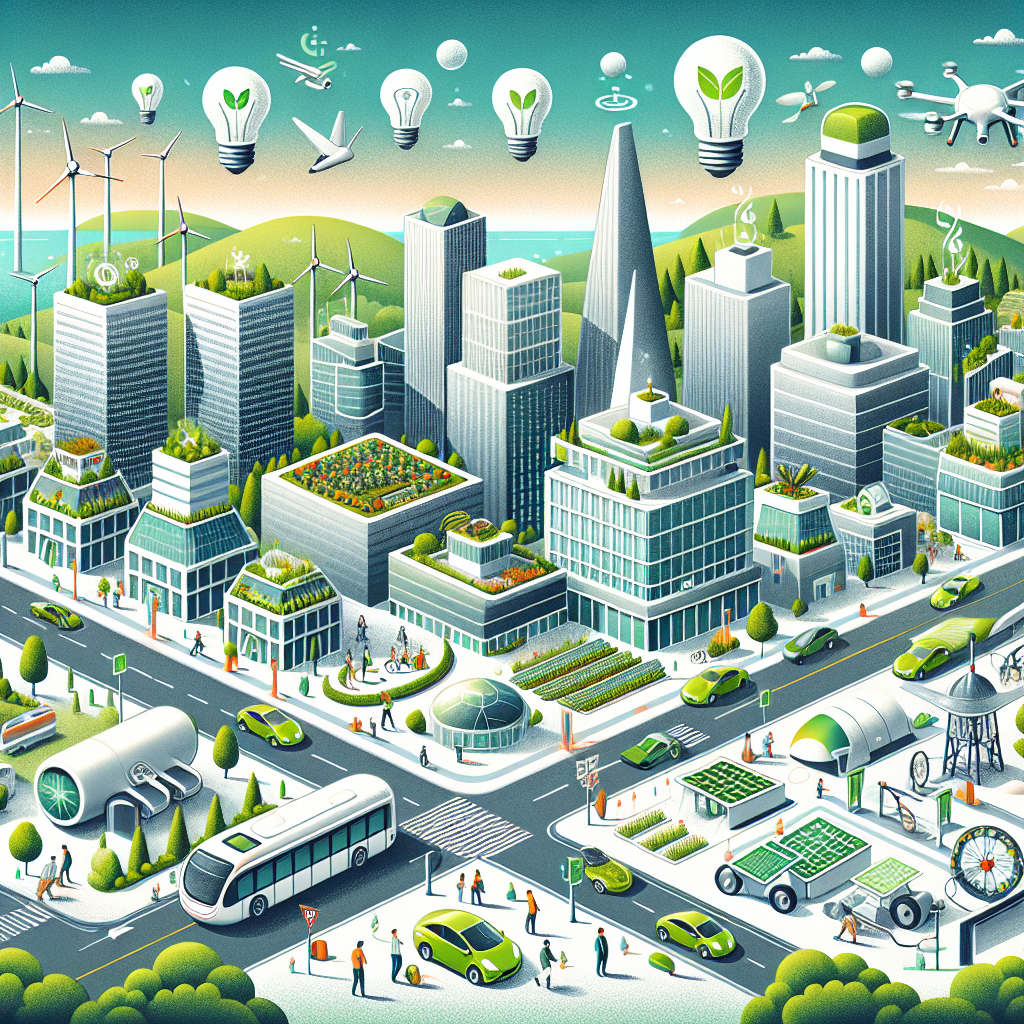
The concept of smart cities is another compelling facet of Silicon Valley’s contribution to sustainable technology. Smart cities leverage advanced technologies such as the Internet of Things (IoT), AI, and big data to improve the efficiency of urban systems. From traffic management to waste disposal, these technologies make urban living more sustainable and reduce the overall environmental footprint.
Companies like Cisco and Intel are at the forefront of developing smart city solutions, focusing on creating efficient energy systems, smart grids, and intelligent transportation systems. These innovations help cities manage resources more effectively, reduce emissions, and provide improved living conditions for residents by integrating sustainability into everyday urban operations.
Sustainable Manufacturing Practices
Innovations in sustainable manufacturing practices are crucial for reducing the environmental impact of production processes. Silicon Valley companies are actively exploring new methodologies to make manufacturing more ecologically friendly. This includes the adoption of 3D printing, which not only reduces waste but also allows for the precise use of materials.
Additionally, tech giants like Apple have committed to using recycled materials in their products. The company’s “closed-loop” supply chain aims to eliminate the need for mining new materials, thereby reducing their environmental footprint. Suppliers are also encouraged to adhere to stringent environmental standards, promoting a ripple effect through the tech manufacturing sector.
Funding and Incubation of Sustainable Startups
Venture capital is the lifeblood of Silicon Valley, and it plays a pivotal role in promoting sustainable technologies. Investors are increasingly aware of the potential and necessity of funding green startups. Firms such as Kleiner Perkins and Andreessen Horowitz are leading the charge by backing companies that focus on creating sustainable solutions.
Additionally, incubators and accelerators like Y Combinator and Plug and Play Tech Center are fostering an environment where sustainable startups can thrive. These platforms provide essential resources, mentorship, and networking opportunities, helping fledgling companies bring their innovative sustainable technologies to market. By supporting startups through financial and intellectual capital, Silicon Valley ensures that these tech innovations can scale and have a global impact.
Conclusion: The Future of Sustainable Tech in Silicon Valley
Silicon Valley’s role in developing sustainable technology is both significant and promising. From advancing renewable energy solutions and leveraging AI for environmental sustainability to fostering smart cities and promoting sustainable manufacturing, the initiatives coming out of the Valley are shaping a greener future.
While challenges remain, including the need for broader policy support and the decreasing cost of sustainable technologies, Silicon Valley’s ecosystem is well-equipped to address these issues. The ongoing collaboration between startups, established tech giants, and venture capital ensures a continuous flow of innovation and commitment to ecological responsibility.
As the world grapples with climate change and resource depletion, Silicon Valley’s contributions to sustainable tech will be increasingly crucial. By leading the way in green technology innovations, the Valley not only sets a precedent for other tech hubs worldwide but also plays a vital role in safeguarding our planet for future generations.