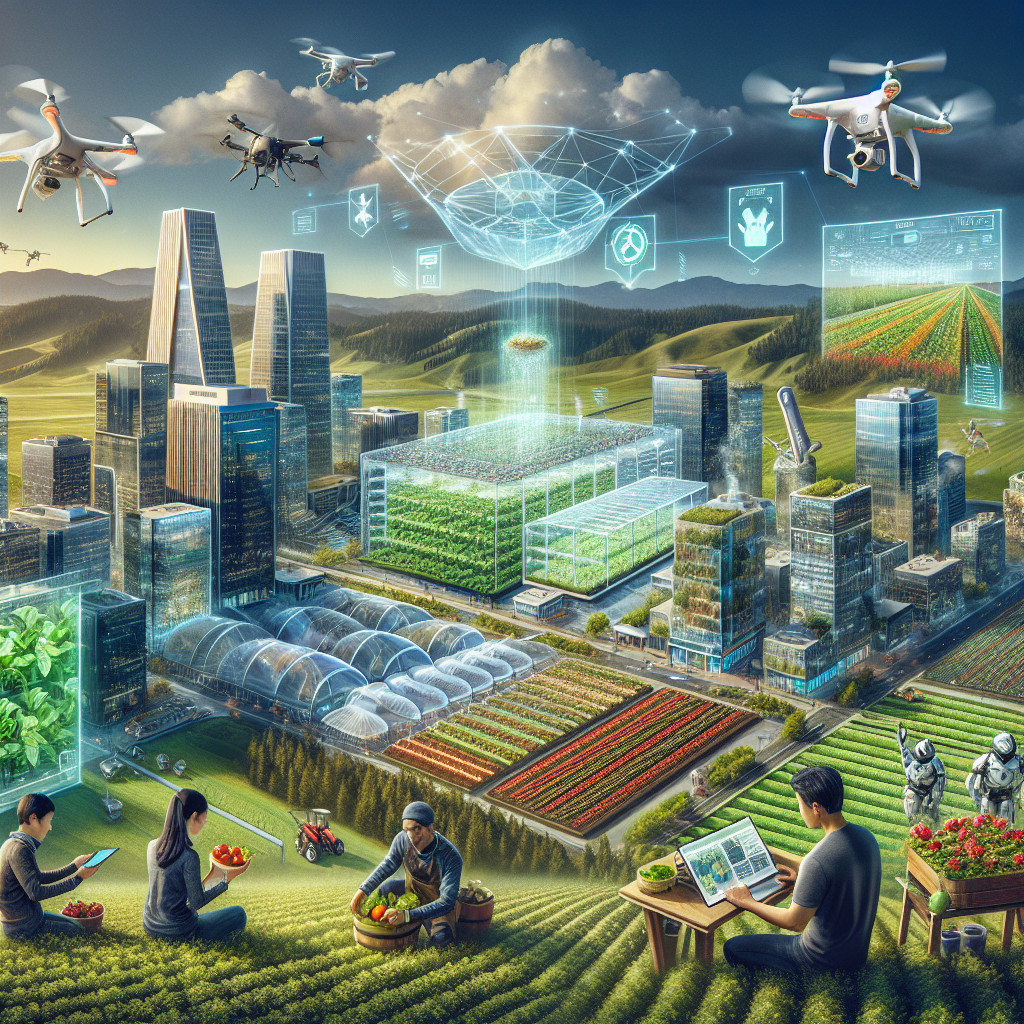
Silicon Valley has long been the epicenter of technological innovation and entrepreneurial spirit, housing some of the world’s most influential tech companies. Every year, countless startups emerge, each vying for a position at the forefront of their respective industries. With 2025 already witnessing a surge in ambitious, innovative startups, it is crucial to highlight the ten most promising new companies that are set to reshape industries and redefine norms. This year, we have witnessed a confluence of various technologies—ranging from artificial intelligence to biotechnology to sustainable energy—giving rise to a host of exciting entrepreneurial endeavors. The startups featured in this list not only exemplify cutting-edge technology and groundbreaking ideas but also demonstrate a commitment to solving real-world problems in meaningful ways. Without further ado, let’s delve into 2025’s top ten most promising Silicon Valley startups that are on everyone’s radar and ready to make an indelible impact in the tech landscape.
1. QuantumLeap Solutions
QuantumLeap Solutions is leading the charge in quantum computing, creating hardware and software solutions that promise to revolutionize data processing and computational capabilities. By harnessing the principles of quantum mechanics, this innovative startup is developing machines that perform calculations exponentially faster than any classical computer. In 2025, they have secured significant investment from top venture capital firms and have partnered with major tech companies to explore practical applications ranging from cryptography to drug discovery, thus positioning themselves as a definitive frontier in computing technology.
2. EcoFusion Energy
EcoFusion Energy is transforming how we approach renewable energy with its groundbreaking fusion technology. Unlike traditional nuclear power, which relies on fission, EcoFusion harnesses fusion, the same process powering the sun, to create a clean, virtually limitless energy source. In pursuit of its goal to address global energy challenges, EcoFusion has developed a compact fusion reactor that could revolutionize energy production, making sustainable power accessible and affordable worldwide. By 2025, they have already initiated testing in various pilot plants, thus attracting both regulatory attention and environmental accolades.
3. MedGenomics
MedGenomics stands at the forefront of personalized medicine, utilizing advances in genomics to tailor treatments according to individual genetic profiles. This startup is behind a proprietary AI-powered platform that analyzes genomic data to predict disease susceptibility, optimize drug efficacy, and personalize treatment plans. By personalizing healthcare, MedGenomics strives to not only enhance patient outcomes but also significantly reduce healthcare costs. Their partnership with leading healthcare institutions since 2025 has laid the groundwork for widespread adoption in clinical settings, marking a pivotal shift towards individualized medical care.
4. AeroDrive Technologies
Envisioning a future where urban transport is as effortless as pushing a button, AeroDrive Technologies is pioneering the autonomous flying vehicle industry. Their fleet of flying cars promises to mitigate urban traffic woes and revolutionize transportation infrastructure. Equipped with state-of-the-art AI systems and environmentally friendly engines, these flying cars ensure efficient and eco-friendly urban commuting. 2025 sees AeroDrive planning its first public launch in selected smart cities, a testament to the accelerating pace at which they are making once-futuristic concepts an everyday reality.
5. AquaSynth Corporation
Aquaculture and ocean sustainability are key focus areas for AquaSynth Corporation, a startup driven by the need to secure the planet’s marine resources. With its AI-powered aquaculture platforms, AquaSynth leads efforts to maximize seafood yield while ensuring ecological balance. Their initiatives in sustainable fish farming have not only optimized production efficiency but also reduced adverse environmental impacts. In 2025, their predictive analytics technology is transforming how aquaculture operations are managed, helping fish farmers make data-driven decisions geared towards long-term sustainability and profitability.
6. Nanosight Innovations
Nanosight Innovations is pioneering the next wave of wearable technology through their impressive range of nano-devices, integrated seamlessly into daily apparel. These cutting-edge wearables monitor health metrics with unprecedented accuracy, offering real-time insights and revolutionary health management capabilities to users. The nanotechnology employed in their clothing lines effortlessly integrates with other smart devices, providing users with actionable insights to maintain optimal health. Since 2025, their dexterous use of technology has navigated them towards transformative partnerships with fashion and fitness industries, underscoring their potential to reshape the tech-wearables market.
7. RecycleBot Enterprises
Standing at the intersection of artificial intelligence and environmental stewardship, RecycleBot Enterprises is nurturing new lanes in waste management. As a formidable player in recycling technology, they aim to tackle global pollution through their sophisticated AI robotics, which automate and optimize the waste sorting process. By targeting infrastructure and streamlining recycling techniques, RecycleBot affords municipalities and corporations a high-efficiency alternative to tackle waste problems. In 2025, they have collaborated with recycling facilities and government agencies, steering towards creating cleaner urban environments and promoting sustainable living practices.
8. CyberGuard Systems
In an era made increasingly unparalleled by cybersecurity threats, CyberGuard Systems has emerged with next-generation cyber defense solutions. They leverage artificial intelligence to offer adaptive security systems that can preemptively identify and mitigate threats in real-time. By integrating machine learning algorithms, their tools continuously evolve to counteract emerging vulnerabilities. Firms across various sectors have already integrated their systems to bolster network defenses, witnessing CyberGuard’s impact firsthand. With data breaches and cybercrime rising in 2025, CyberGuard’s resilient strategies spell a safer digital landscape moving forward.
9. SmartFarmio
Agricultural innovation meets digital intelligence at SmartFarmio. The startup is radically transforming farming with its intelligent IoT-based systems designed to enhance crop yield and reduce resource waste. Through smart sensors and data analytics, SmartFarmio provides farmers with tailored insights into soil health, weather patterns, and pest threats. With the adoption of their technology, agricultural efficiency has improved significantly, especially in regions constrained by traditional farming challenges. By 2025, they are recognized as key drivers of precision agriculture, a testament to their pivotal role in the food production ecosystem.
10. FoodieGen Gourmet
At the pinnacle of culinary innovation is FoodieGen Gourmet, which is setting a new gold standard for sustainable gastronomic experiences. This startup sources ingredients through urban vertical farms, revolutionizing the farm-to-table dynamic, reducing carbon footprints, and ensuring freshness. FoodieGen incorporates AI-driven culinary artistry, which personalizes meal options based on consumer preferences, dietary needs, and health goals. In 2025, the startup has succeeded in launching several pilot outlets, receiving accolades for not only their eco-conscious sourcing methods but also their gastronomy excellence.
Conclusion
Thus, these ten startups showcase the diversity of innovation thriving within Silicon Valley, exemplifying various industries continued drive toward technological and societal advancement. The startups are creating waves with quantum breakthroughs at QuantumLeap Solutions to redefining energy with EcoFusion Energy, from revolutionizing personal healthcare through MedGenomics to crafting the future of urban transport with AeroDrive Technologies. AquaSynth, with its impactful aquaculture interventions, and Nanosight Innovations, transforming wearables, further cement their marks on our present and future. Waste is re-envisioned by RecycleBot Enterprises, and safety fortified by CyberGuard Systems. Meanwhile, SmartFarmio and FoodieGen Gourmet propel agricultural and culinary evolutions, respectively. Collectively, they represent the visionary aspirations and pragmatic ingenuity driving Silicon Valley’s startup culture in 2025, and as these companies grow, the world anticipates the remarkable contributions they are destined to make.
Frequently Asked Questions
1. What factors contribute to the success of Silicon Valley startups, especially the ones recognized in 2025?
Silicon Valley is often regarded as the cradle of innovation due to a confluence of factors that foster the growth and success of startups. One of the key ingredients is the vibrant ecosystem that includes access to a vast network of experienced mentors, venture capitalists, and a talent pool consisting of some of the brightest minds in tech. For the 2025 quartile of promising startups, several common denominators have contributed to their potential success.
Firstly, breakthrough technological advancements have been the cornerstone, with many startups embracing cutting-edge technologies such as artificial intelligence, blockchain, and quantum computing. For instance, AI is being leveraged to optimize everything from automation to personalized customer experiences, which can disrupt traditional industries and create new market opportunities.
Secondly, there is a noticeable trend towards addressing pressing global challenges, such as sustainability and healthcare, which not only garners public interest but also allocates access to specific funding and grants focused on social innovation. Additionally, the ability to pivot and adapt quickly in response to market needs has allowed these startups to remain agile and competitive in a rapidly changing technological landscape.
2. How are these startups expected to reshape industries in 2025 and beyond?
Startups in 2025 are well-positioned to overhaul numerous sectors with transformative products and services. Many of these companies are part of the “Fourth Industrial Revolution,” utilizing technologies that bridge physical and digital spheres. They are already making strides in areas such as Internet of Things (IoT), where devices across homes, cities, and industries will increasingly talk to each other to optimize environments efficiently and in real-time.
Healthcare is being revolutionized through more accessible and personalized medicine, achieved by integrating genomics with AI-driven health diagnostics. Similarly, startups focusing on sustainability are pushing the envelope in energy solutions, developing clean tech that aims to reduce environmental footprints by innovating in fields like alternative fuels and smart grid technology.
The financial sector isn’t left out either, as FinTech companies aim to provide greater accessibility and transparency in banking and financial services, leveraging blockchain technology for safer and more secure transactions. Each of these disruptive advances is set to redefine norms by increasing efficiency, accessibility, and sustainabilty across the board.
3. In a competitive environment like Silicon Valley, how do these startups manage to stand out?
In Silicon Valley’s competitive landscape, these standout startups in 2025 share a few distinctive characteristics. One major factor is their ability to bring unique, world-changing ideas to fruition. They not only possess innovative visionaries who can anticipate market trends and changing consumer behaviors but also the technical expertise to execute these ideas effectively at scale.
Marketing prowess combined with strong branding strategies have further enabled startups to rise above the noise. Companies can create compelling narratives that resonate with their target audiences, effectively building a loyal user base that can drive organic growth. Furthermore, forward-thinking startups have been noted for their remarkable work culture, which fosters creativity, collaboration, and an inclusive atmosphere that attracts top-tier talent from around the globe.
Moreover, strategic partnerships play a crucial role. Building alliances with established firms or other innovative startups allows for resource sharing, accelerated growth, and legitimacy in the market, helping them to outpace competitors more effectively.
4. What challenges do these 2025 startups face, and how are they tackling them?
Despite their potential, startups in 2025 face numerous challenges including fierce competition, regulatory landscapes, cybersecurity threats, and the volatility of technological change. A prevalent challenge is scaling operations efficiently in a way that maintains quality without compromising on innovation. Recognizing this, successful startups are employing robust scalability strategies and seeking expertise in operations management to streamline growth.
Regulatory compliance, especially in sectors like FinTech and healthcare, can be daunting, posing significant barriers to entry. Startups are proactively engaging with regulatory bodies to navigate these frameworks, sometimes even participating in shaping future regulations to better fit the evolving industry landscape. To combat cybersecurity threats, these firms are investing heavily in advanced security technologies and deploying sophisticated solutions to safeguard data integrity and customer trust.
Another significant challenge is funding. Investors are more cautious post-pandemic, expecting clear paths to profitability. In response, startups are optimizing their business models, often shifting to subscription-based or SaaS (Software as a Service) models that ensure recurring revenue streams and demonstrate clear ROI to investors.
5. How important is venture capital investment for these startups, and what trends are we seeing in investment in 2025?
Venture capital investment remains a critical lifeline for startups, providing not only essential funding but also strategic guidance and networking opportunities. In 2025, we are observing a shift where VCs are placing a premium on sustainable growth, aligning interests with startups addressing systemic societal issues, such as climate change and equitable access to technology.
Investors are increasingly looking for startups that embed Environmental, Social, and Governance (ESG) criteria into their business models. This trend coincides with a rising demand for transparency and accountability, where possible impacts on societal and environmental levels are as scrutinized as financial forecasts.
Additionally, there is growing interest from VCs in diversification across different sectors. No longer limited to conventional technology startups, there is a keen interest in sectors like AgriTech, HealthTech, and EdTech. This diversification signifies a broadening of investment horizons reflecting the widening scope of technological innovation.
Crowdfunding, angel investors, and strategic partnerships offer additional avenues for financial support, allowing startups to remain less dependent on traditional VC routes. This diversification of funding sources has enhanced startups’ resilience and their capacity to weather market fluctuations.