In recent years, Silicon Valley has increasingly set its sights on revolutionizing home fitness. Powered by innovative technology and startup zeal, the region is transforming how we approach our daily workouts, right from the comfort of our homes. This meteoric rise in tech-driven fitness solutions caters to a modern world that values convenience, personalization, and a data-driven approach to health. Let’s take a deep dive into how Silicon Valley’s latest technological advancements are shaping the future of home fitness.
The Genesis of Home Fitness Technology
Understanding the roots of home fitness technology is essential to appreciate how far we’ve come. In the past, home fitness often meant dusty treadmills and sporadically used weight sets. Fitness DVDs and rudimentary equipment formed the bulk of the market. However, the evolution of the internet, coupled with advances in AI and machine learning, has catalyzed a shift towards smarter, more integrated fitness solutions. Early innovators like Peloton and Fitbit laid the groundwork by making connected fitness mainstream.
The landscape started shifting dramatically when tech giants and startups began investing heavily in fitness technology. The convergence of mobile technology, advanced sensors, and ubiquitous internet connectivity enabled a new era of interactive, personalized fitness experiences. These companies recognized that the conventional gym experience could be enhanced and even surpassed with the right technological innovation, leading to the creation of virtual trainers, smart home gyms, and comprehensive fitness ecosystems.
Interactive Home Gym Equipment
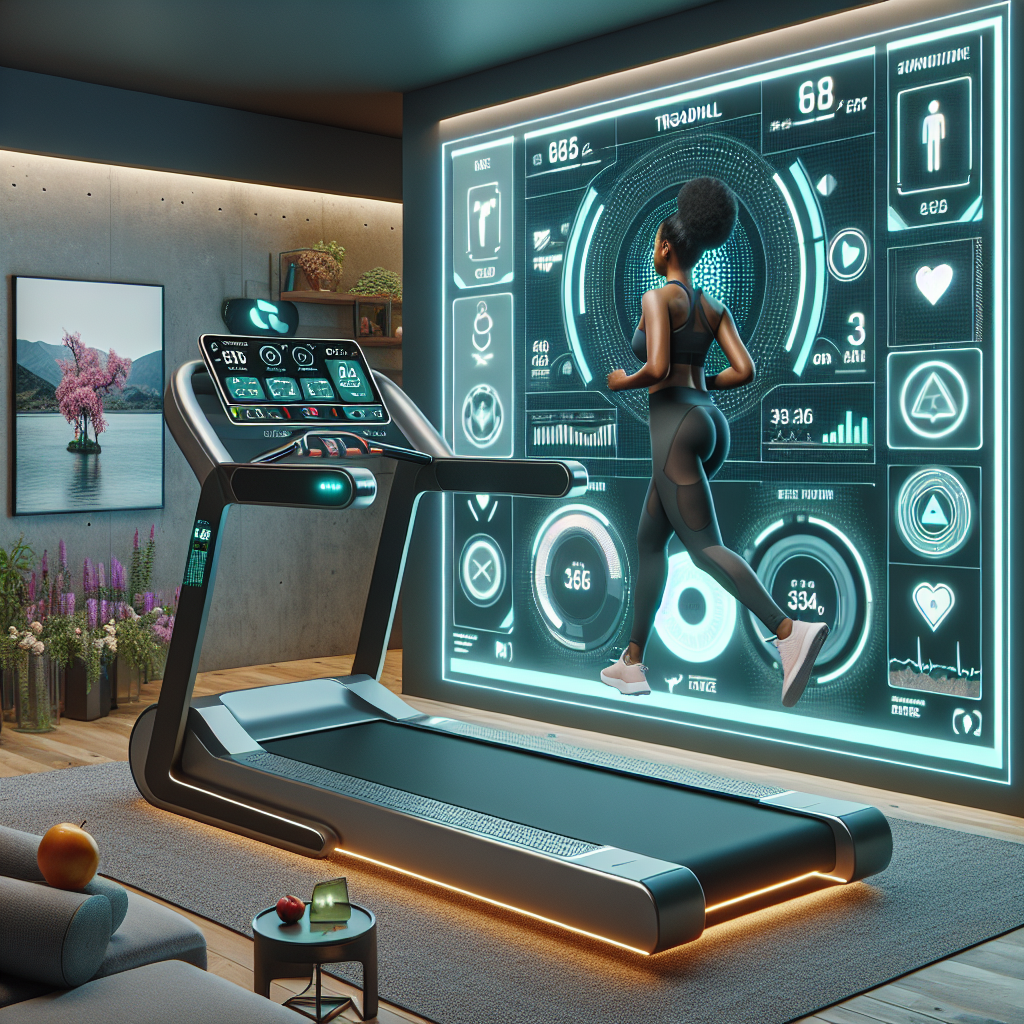
At the forefront of this revolution is a new wave of interactive home gym equipment. Startups and established companies alike are developing machines that offer more than just physical exercise—they provide a full-on interactive experience designed to engage users and push them to new heights. Consider companies like Tonal, Mirror, and NordicTrack, which offer smart gym solutions that blend physical equipment with digital interfaces.
Tonal, for instance, uses advanced AI to provide resistance training through electromagnets, allowing users to access a wide range of weights without needing a full set of dumbbells or plates. Mirror offers an interactive experience that blends seamlessly with home decor; it functions as a sleek mirror when not in use and transforms into an interactive fitness studio when activated. These devices not only save space but also engage users through live and on-demand classes, real-time feedback, and AI-driven optimizations tailored to individual performance levels.
Wearable Technology and Fitness Apps
Wearable technology and mobile fitness applications have also seen a significant surge in innovation and adoption. Devices like the Apple Watch, Fitbit, and Garmin wearables have become more sophisticated, offering advanced health metrics such as heart rate variability, VO2 max, and sleep tracking. These metrics enable users to keep better tabs on their health and optimize their fitness routines based on real-time data.
Complementing wearable tech are fitness apps that offer everything from guided workouts to personalized fitness plans. Applications like MyFitnessPal, Strava, and Apple’s Fitness+ provide comprehensive ecosystems where users can track their workouts, nutrition, and progress over time. Furthermore, these apps often integrate seamlessly with wearables, making it easier for users to maintain a holistic view of their health and fitness journey.
Virtual Reality and Augmented Reality in Fitness
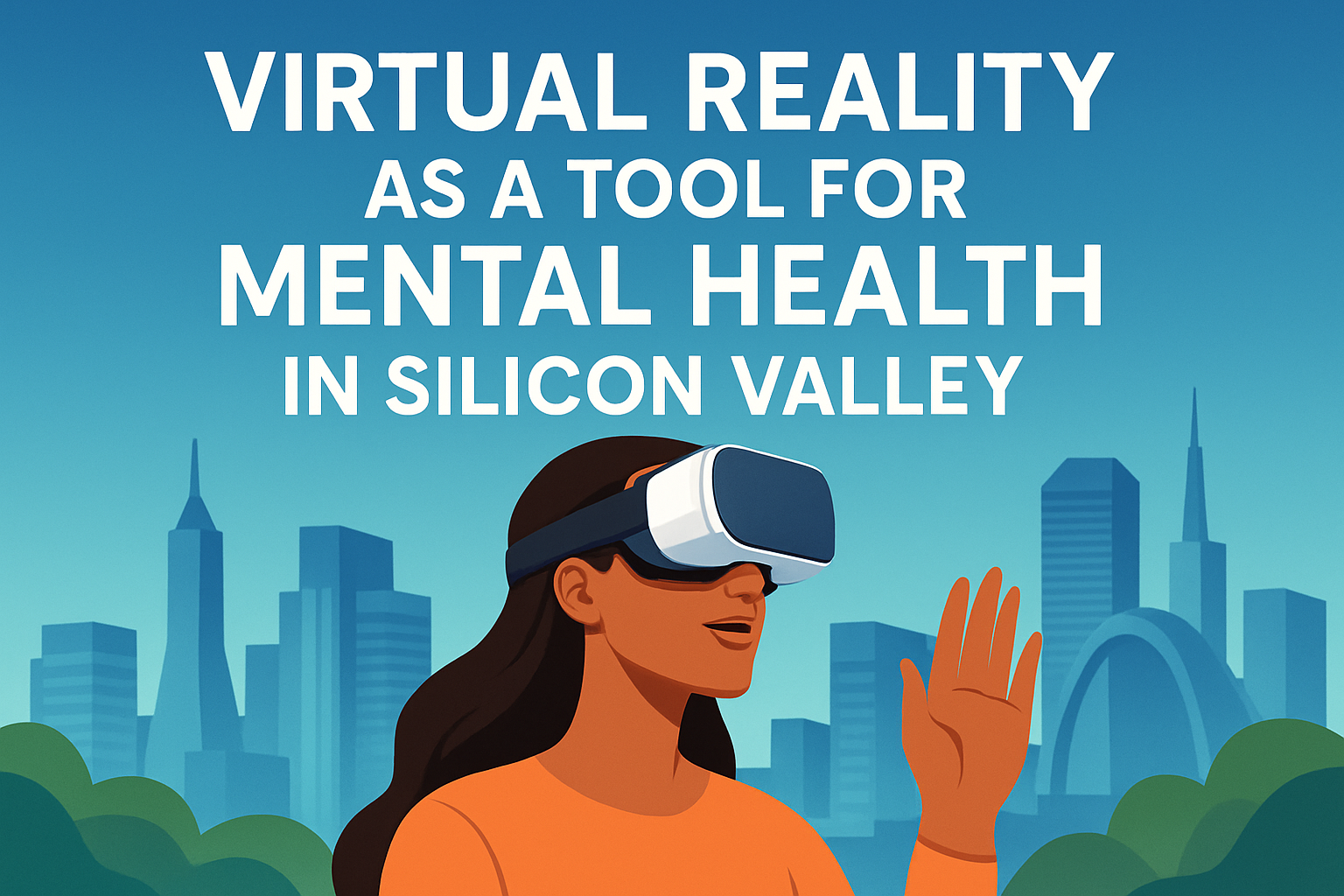
Virtual Reality (VR) and Augmented Reality (AR) are another groundbreaking innovation making waves in the home fitness sector. Companies like Supernatural and FitXR are leveraging VR technology to provide immersive workout experiences. Users simply put on a VR headset and find themselves in captivating virtual environments where they can partake in a wide array of fitness activities, from boxing to dancing to guided meditation.
AR, on the other hand, offers augmented experiences that overlay digital information onto the real world. Apps like Aaptiv are experimenting with incorporating AR to enhance the workout experience, providing on-screen guides and engaging visuals that can motivate users and offer real-time feedback. VR and AR technologies are set to play crucial roles in making fitness more interactive and enjoyable, catering especially to those who might find conventional workout routines monotonous.
AI and Machine Learning Personalization
Perhaps one of the most transformative influences on home fitness technology is the integration of Artificial Intelligence (AI) and machine learning. These technologies enable devices and applications to collect and analyze vast amounts of data, providing personalized recommendations and adjustments to user routines. AI-powered fitness coaches like Freeletics and Fitbod use algorithms to create personalized workout plans based on user preferences, progress, and goals.
Machine learning can predict user needs by analyzing patterns in their data, suggesting when to increase intensity or alter workouts to mitigate the risk of injury. In some cases, advanced AI can even offer nutritional advice, syncing seamlessly with your grocery list and meal plans to ensure you’re meeting your dietary goals. These advancements are moving us closer to a future where fitness becomes a fully integrated part of our daily lives, tailored specifically to our individual needs and preferences.
Community and Gamification
One of the key advantages of Silicon Valley’s fitness technology is its ability to foster a sense of community. Platforms like Peloton have utilized community features to create a sense of belonging and competition, driving user engagement significantly. Users can participate in live classes, compete on leaderboards, and even form virtual workout groups with friends and family, making the exercise more social and less of a solitary grind.
Gamification is another potent tool being used to increase user engagement. Fitness apps like Zwift turn workouts into competitive games, allowing users to race against each other virtually. Gamification elements—such as earning points, badges, and rewards—can significantly enhance motivation, making working out not only a means to an end but an enjoyable activity in its own right.
Conclusion: The Future of Home Fitness
The future of home fitness looks extraordinarily bright, thanks to the relentless innovation coming out of Silicon Valley. As broadband speeds increase, wearable tech becomes more advanced, and AI continues to evolve, we can expect even more personalized and immersive fitness experiences. The integration of smart equipment with adaptive learning algorithms and community-driven platforms provides a comprehensive approach to fitness that’s both efficient and enjoyable.
Moreover, these innovations are making fitness more accessible to different demographics, accommodating various fitness levels, goals, and personal preferences. The industry’s focus on personalization, interactivity, and data-driven insights ensures that the home fitness revolution is here to stay, promising to make our homes the ultimate gyms of the future. As technology continues to advance, there’s no limit to what we can achieve within the confines of our living rooms, turning once-dusty weights into intricate, interconnected ecosystems of health and wellness.