
Atari, Pong, and the rise of Silicon Valley video games sit at the point where computing, storage, and networking began to merge into a consumer industry. In practical terms, this story is not only about an arcade cabinet and a bouncing square. It is about how semiconductor manufacturing, integrated circuit design, memory economics, and later internet distribution turned playful software into a durable technology business. When historians discuss the early game industry, they usually define Atari as the company founded in 1972 by Nolan Bushnell and Ted Dabney, Pong as the table-tennis arcade game designed by Allan Alcorn, and Silicon Valley as the Northern California ecosystem linking engineers, venture capital, chip firms, and university talent. Those definitions matter because the same regional networks that accelerated microprocessors and personal computers also gave video games their first scalable production model.
I have worked through early computing archives, arcade board teardowns, and oral histories from the period, and one pattern appears repeatedly: games advanced when underlying hardware became cheaper, smaller, and easier to replicate. Before that shift, electronic games existed, but they were laboratory curiosities, university experiments, or expensive electromechanical amusements. Atari changed the equation by packaging interactive computing into a product that operators could place in bars, bowling alleys, and shopping centers. From there, the industry expanded into home consoles, cartridge storage, software publishing, and eventually online services. Understanding Atari and Pong therefore helps explain a wider technology arc: how specialized circuits led to programmable platforms, how removable media changed business models, and how internet connectivity later transformed discovery, distribution, and preservation across the whole computing, storage, and internet landscape.
This hub article maps that arc comprehensively. It introduces the pre-Atari technical foundations, explains why Pong became a breakthrough, shows how manufacturing and storage constraints shaped early design, and follows the path from arcade boards to connected digital ecosystems. It also serves as a guide to the larger historical perspectives subtopic. Readers exploring computing will find the transition from discrete logic to custom chips and microprocessors. Readers focused on storage will see why ROM cartridges, magnetic media, and optical formats each altered what developers could build and how companies earned revenue. Readers interested in internet history will see how bulletin board culture, online services, broadband, and cloud platforms changed games from isolated products into always-updated services. The central lesson is simple: Atari did not create modern gaming alone, but it crystallized the commercial model that linked silicon, software, and distribution.
Before Atari: the computing foundations of video games
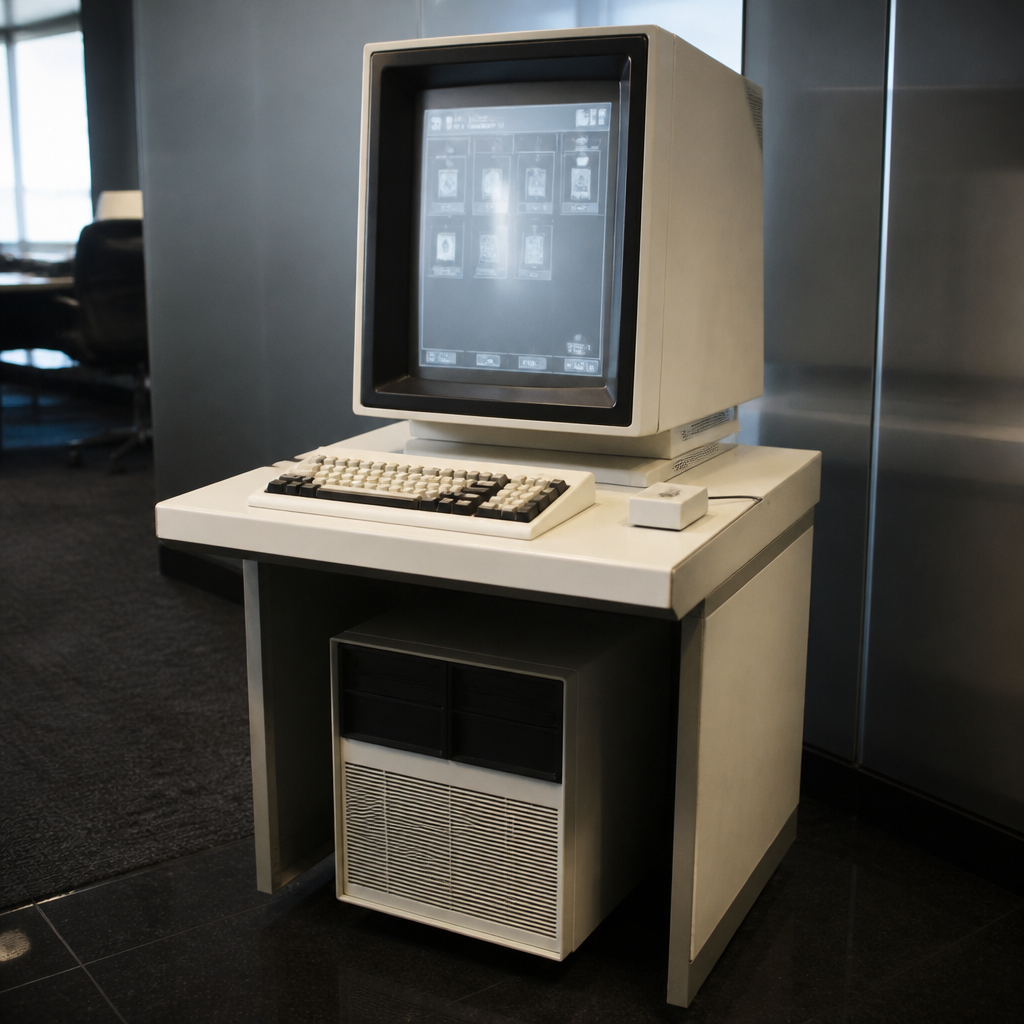
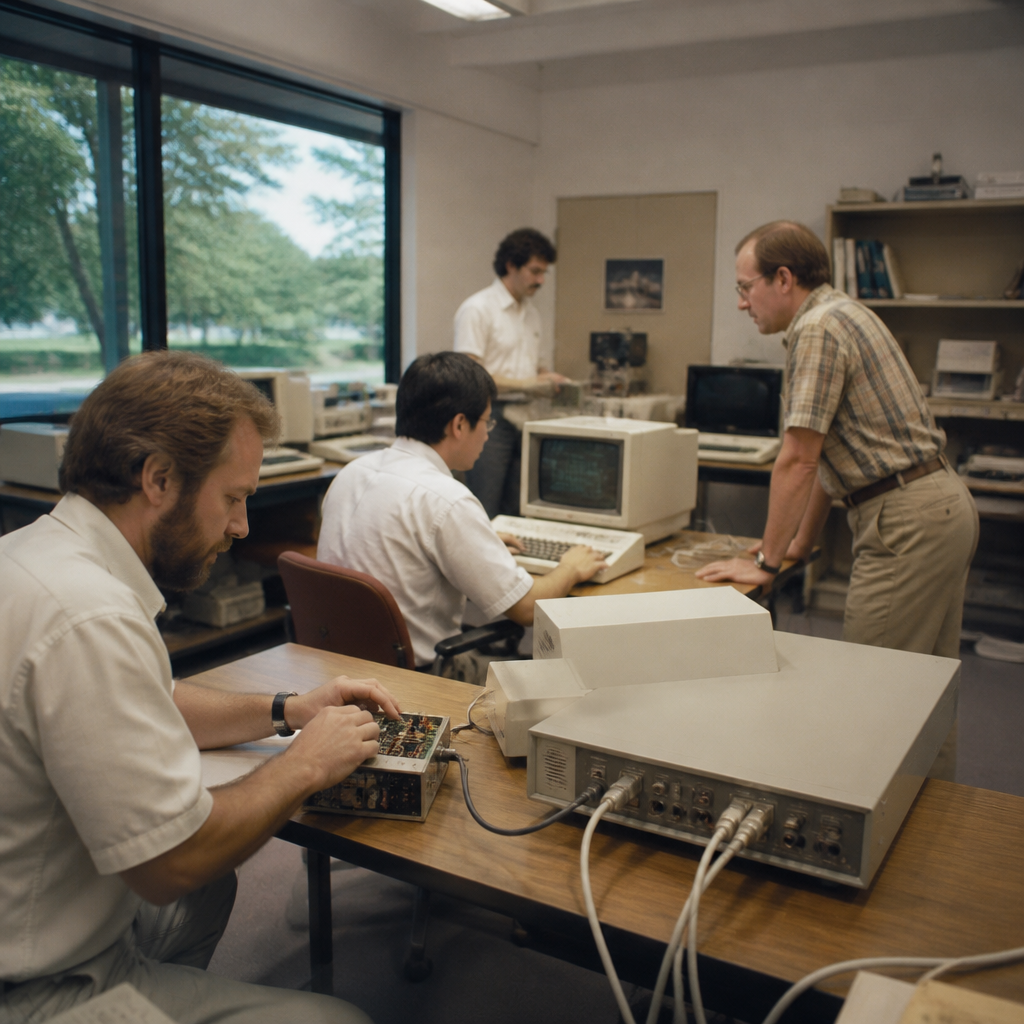
Video games did not begin with Atari, and that context is essential. In the 1950s and 1960s, computing resources were scarce, expensive, and usually tied to universities, defense projects, or large corporations. Experiments such as Tennis for Two in 1958 and Spacewar! in 1962 demonstrated that interactive graphics were technically possible, but they ran on specialized equipment rather than mass-market hardware. Mainframes and minicomputers relied on costly components, limited memory, and bespoke displays. Input methods were also improvised. As a result, early games proved a concept without solving the real commercial problem: repeatable, affordable deployment. Silicon Valley’s contribution was not merely creative; it was industrial. The region’s semiconductor firms drove down component costs, improved reliability, and created supply chains that made entertainment hardware manufacturable at scale.
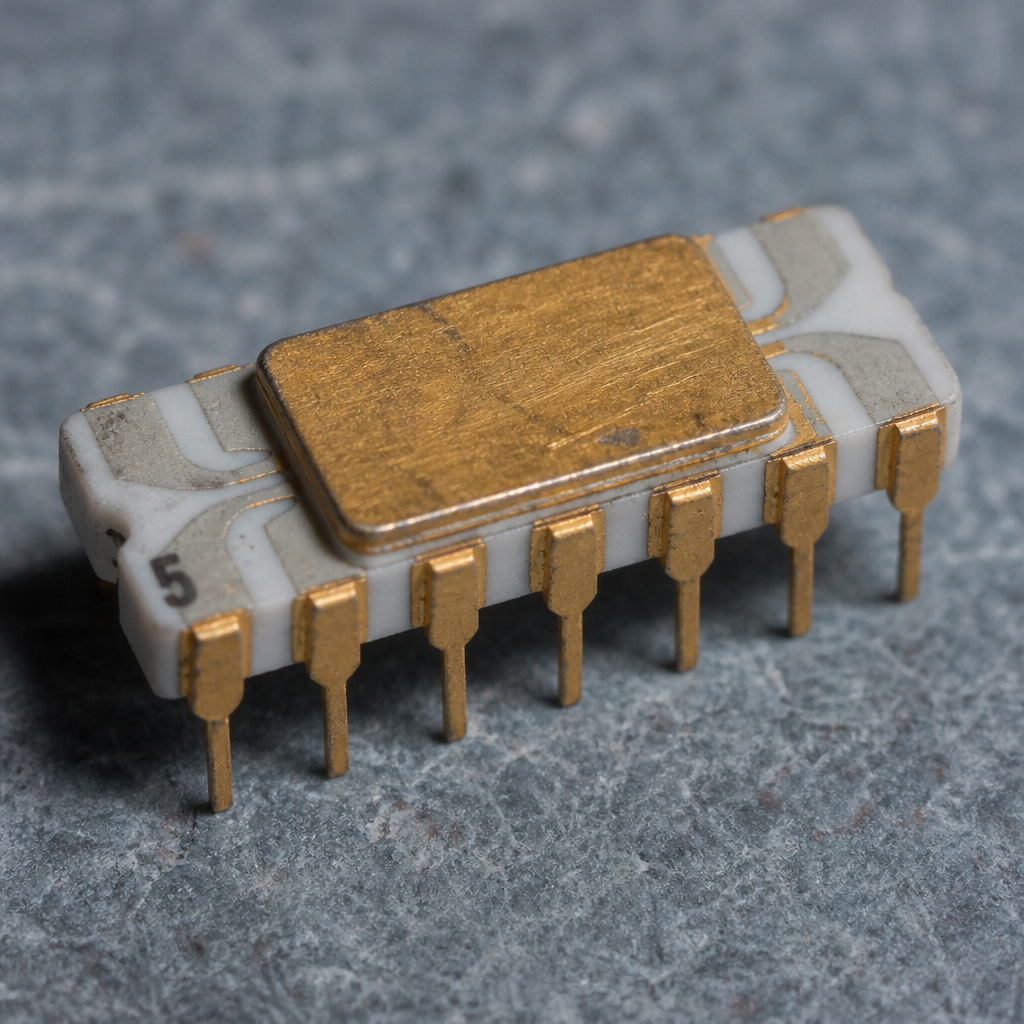
That hardware transition mirrors the broader history of computing. The move from discrete transistors to integrated circuits reduced board complexity and power consumption while increasing consistency in production. Arcade and console engineers could suddenly think less like lab experimenters and more like product teams. Even before general-purpose microprocessors dominated, game logic could be implemented with transistor-transistor logic chips arranged for a narrow task. This mattered because early games did not need a full computer in the modern sense. They needed enough electronic logic to draw shapes, track inputs, score events, and produce sound predictably. In that environment, a simple game with clear feedback had a major advantage over technically ambitious designs. Pong succeeded partly because it matched the limits and strengths of the era’s hardware.
Pong as product: why one simple game changed the market
Pong became influential because it translated computing into an instantly legible experience. Allan Alcorn built the game in 1972 as an engineering exercise, but its commercial appeal was obvious once operators saw people line up to play. Two paddles, one moving ball, and a score display created a complete feedback loop that anyone could understand within seconds. In product terms, this was brilliant design. The cabinet did not require a tutorial, a manual, or prior familiarity with computers. That accessibility was crucial in a period when most consumers had never touched programmable electronics. Bushnell recognized that arcade operators valued short play sessions, durable hardware, and fast earnings per square foot. Pong delivered all three, and its early field tests reportedly overflowed coin boxes, a famous anecdote because it captures the machine’s immediate business viability.
The technology inside Pong also reveals why it arrived when it did. The original arcade version was not software running on a microprocessor. It was built from dedicated logic, meaning the game’s behavior was effectively wired into the circuitry. This approach limited flexibility but maximized reliability and speed for one purpose. In manufacturing terms, dedicated logic avoided the cost and complexity of a programmable computer at a time when processors and memory were still expensive. That design choice shaped the whole first generation of arcade products. Companies cloned successful machines because the underlying circuits could be analyzed and reproduced. Competition intensified quickly, but Atari gained the first-mover advantage and learned a lasting lesson: in entertainment electronics, technical novelty matters less than a polished, dependable user experience backed by production capacity.
Silicon Valley manufacturing, storage limits, and the move home
Atari’s growth depended on the same practical realities that governed early personal computing: sourcing chips, controlling defects, and balancing capability against memory cost. Arcade cabinets generated cash, but the home market offered scale. The 1975 Home Pong unit, distributed through Sears, brought the arcade concept into living rooms and proved that consumer electronics retailers would sell game hardware in volume. Yet dedicated home systems hit a ceiling. Once buyers owned one or two fixed-function devices, novelty declined. The breakthrough came with the Atari Video Computer System, later called the Atari 2600, introduced in 1977. Its significance lies in storage architecture. By using interchangeable ROM cartridges, Atari separated hardware from software, enabling a platform model that resembled later computing ecosystems.
Cartridge storage solved several business and technical problems at once. First, ROM chips preserved game code without requiring users to load from tape or disk. Second, interchangeable media extended the life of the console, since owners could buy new games without replacing the base unit. Third, publishers could target a stable hardware standard, creating a repeatable development environment. The tradeoff was severe memory limitation. Early Atari 2600 cartridges often held only a few kilobytes, and programmers had to work around tiny RAM budgets and strict timing tied to the Television Interface Adapter. I have examined 2600 development notes where efficiency was everything: graphics were reused, logic was cycle-counted, and visual tricks depended on precise synchronization with the television beam. Constraints were not abstract; they defined the art form.
| Era | Core technology | Storage model | Business impact |
|---|---|---|---|
| Early arcade | Dedicated logic boards | No removable consumer media | Revenue came from coin-operated cabinets placed in public venues |
| Home dedicated consoles | Single-purpose consumer electronics | Fixed built-in game logic | One-time hardware sale with limited repeat purchasing |
| Cartridge console era | Custom chips plus programmable game code | ROM cartridges | Recurring software sales and third-party publishing ecosystems |
| Disk and optical era | More powerful CPUs and GPUs | Floppy disks, CDs, DVDs | Larger games, lower media cost, expanded development teams |
| Internet platform era | Connected PCs, consoles, and mobile devices | Downloads, patches, cloud saves | Digital distribution, subscriptions, live services, global reach |
From cartridges to connected worlds: computing, storage, and internet history
The Atari period established the platform logic that later computing generations expanded. As semiconductor prices fell and microprocessors matured, game systems became more programmable and more complex. Storage followed a similar curve. Cartridges remained fast and durable, but they were relatively expensive per megabyte. Personal computers adopted floppy disks, then hard drives, while consoles moved through optical media to digital downloads. Each step increased capacity and reduced some distribution friction, allowing richer graphics, recorded audio, larger worlds, and post-release updates. In historical perspective, game development tracks storage history closely: what creators could save, stream, or swap determined the size of their ambitions. This is why a subtopic hub on computing, storage, and internet belongs together rather than apart.
Networking completed the transformation. Early online play emerged through university systems, local area networks, bulletin board systems, and proprietary services such as CompuServe. By the 1990s, dial-up internet and then broadband made online multiplayer, downloadable patches, and web-based communities normal parts of the player experience. Later, digital storefronts such as Steam, console marketplaces, and mobile app stores changed discovery and distribution more radically than any cartridge did. Cloud saves, content delivery networks, and account-based libraries detached access from physical media. Even preservation debates now revolve around server shutdowns, authentication systems, and format obsolescence. The lesson that begins with Atari still applies: games are inseparable from infrastructure. To understand the medium’s history, follow the chips, the memory, and the networks.
Lasting legacy and where to explore next
Atari and Pong matter because they reveal how a regional technology culture turned interactive electronics into a mainstream industry. The breakthrough was not just creative inspiration. It was the combination of accessible design, manufacturable hardware, economical storage, and eventually scalable distribution. Silicon Valley video games began with dedicated circuits in coin-op cabinets, matured through cartridge platforms in the home, and expanded through the internet into persistent global services. Along the way, the same forces that shaped personal computing shaped play: falling chip costs, standard interfaces, larger storage media, software ecosystems, and network effects. For anyone studying historical perspectives, Atari is the gateway case because it links engineering decisions directly to consumer behavior and business structure.
Use this hub as your starting point for the broader subtopic. From here, dive deeper into semiconductor history, cartridge and disk storage evolution, online service platforms, preservation challenges, and the economics of digital distribution. The key takeaway is straightforward: Pong was simple, but the systems behind it were the beginning of something enormous. Explore the connected articles in Computing, Storage & Internet to see how that foundation grew into today’s game industry.
Frequently Asked Questions
Why are Atari and Pong considered so important to the birth of Silicon Valley video games?
Atari and Pong matter because they helped prove that interactive electronic entertainment could become a repeatable, scalable business rather than a one-off novelty. Pong itself was technologically simple compared with later games, but its commercial impact was enormous. It showed that people would reliably pay to interact with a screen in a social setting, and that insight gave engineers, investors, and manufacturers a reason to treat games as a serious product category. In the early 1970s, that was a major shift. Computing was still associated mostly with governments, universities, and large corporations, while consumer electronics were dominated by televisions, stereos, and appliances. Atari helped connect those worlds.
Just as important, Atari emerged in the broader ecosystem that would become known as Silicon Valley, where semiconductor expertise, rapid prototyping, and an entrepreneurial culture were already taking shape. The company benefited from local access to engineers, parts suppliers, contract manufacturers, and a talent pool comfortable with building products around integrated circuits. That environment made it easier to turn an idea like Pong into a physical machine that could be produced, repaired, iterated, and sold at scale. In that sense, Pong was not merely a successful arcade game; it was an early demonstration of how software-like experiences could be packaged through hardware and manufacturing systems rooted in Silicon Valley.
The broader historical importance comes from what Pong represented: the beginning of a market where playful interaction drove demand for chips, displays, memory, controls, and later home systems. Once that market existed, game design and semiconductor design started to influence one another. Better chips enabled richer games, and popular games justified more investment in chips and consumer platforms. That feedback loop became one of the foundational patterns of the modern technology industry.
How did semiconductor manufacturing and integrated circuit design shape the early video game industry?
Early video games were deeply constrained by the cost and capability of electronic components, which is why semiconductor manufacturing and integrated circuit design were central from the beginning. Before powerful, cheap microprocessors were widely available, many games were built from discrete logic components and custom circuitry. That meant every function on screen, from moving a ball to detecting a collision, had to be represented physically in hardware. Engineers were not simply writing code in the modern sense; they were designing behavior through electrical logic. As a result, the economics of chips and boards directly shaped what kinds of games could exist.
This is one reason Pong looked the way it did. Its clean, abstract design was not only a creative choice but also a practical response to the realities of component cost, board complexity, reliability, and manufacturing speed. Fewer visual elements meant fewer circuits, lower production costs, easier assembly, and better uptime in arcades. In a coin-operated business, reliability was critical. A machine that failed frequently lost revenue immediately, so simple and robust hardware was a competitive advantage.
As integrated circuits improved and became more affordable, game makers could add more sophisticated timing, sound, graphics, and control schemes. The arrival of microprocessors later made a huge difference by allowing more functionality to be handled in programmable ways rather than through completely fixed hardware. That transition gradually lowered the barrier to creating new games because developers no longer had to redesign every behavior at the board level. In effect, semiconductor progress turned games from hard-wired electronic products into flexible computing platforms. That shift opened the door to faster innovation, larger catalogs, and eventually the software-driven industry we recognize today.
What role did memory and storage economics play in turning games into a lasting technology business?
Memory and storage economics were essential because they determined how much game logic, audiovisual content, and variation could be delivered at a profitable price. In the earliest arcade era, many systems had little or no concept of software storage as consumers think of it today, because game behavior was often embedded directly in hardware logic. But as the industry moved toward programmable systems, memory became one of the most important cost drivers. Every additional bit of ROM or RAM had a price, and that price affected not only what developers could build, but also whether the final product could succeed in the market.
When memory was expensive, designers had to be extremely efficient. They relied on repeated patterns, simple sound effects, minimalist animation, and tightly optimized logic. Those constraints shaped the aesthetics of early games, but they also shaped business models. A game had to be compelling enough to earn revenue while fitting inside severe hardware limitations. As semiconductor yields improved and memory costs declined, developers gained room to create more varied experiences, while manufacturers could sell systems that supported multiple titles and longer product lifecycles.
Storage media eventually made an even larger difference. Cartridges, disks, optical media, and later hard drives and downloadable files changed how games were distributed, updated, and monetized. Instead of each game being tied so closely to bespoke arcade hardware, companies could separate platform from content. That separation is one of the most important developments in the history of the industry. It allowed recurring software sales, platform ecosystems, publisher relationships, retail channels, and eventually digital storefronts. In other words, falling memory and storage costs did not just improve games technically; they helped transform games into a durable, scalable business with repeat customers and long-term platform value.
How did Atari and the early arcade business influence later home gaming and internet distribution?
The arcade business established several patterns that later carried into home gaming and eventually internet distribution. First, arcades proved there was consistent consumer demand for interactive entertainment. That sounds obvious now, but in the early 1970s it was still an open question. Once arcade operators saw that a well-placed machine could generate reliable coin revenue, manufacturers had proof that games could support ongoing product development, supply chains, sales teams, and service networks. This commercial validation made it easier to imagine bringing similar experiences into the home.
Second, early arcade success taught companies how to think about platforms, content refresh, and player retention. Operators wanted machines that attracted attention, worked reliably, and earned money over time. Those same ideas later appeared in home consoles, where the platform maker sold hardware and then benefited from a continuing stream of software purchases. Atari played a major role in that transition, especially as the market began moving from individual arcade cabinets toward broader consumer systems. The logic was powerful: if players enjoyed a game in a public venue, they might also want a dedicated device at home that delivered comparable experiences more conveniently.
The connection to internet distribution came later, but the underlying business principle was similar. Once games became software-like products rather than fixed-function electronic curiosities, distribution methods could evolve along with networking technology. Physical shipment of cabinets gave way to cartridges and discs, then to online downloads, patches, subscriptions, and cloud-based services. Silicon Valley’s strengths in computing infrastructure, storage, semiconductors, and networking made that progression especially significant. The same regional culture that helped launch arcade experimentation later supported the systems needed for digital marketplaces, multiplayer services, and online game ecosystems. In that sense, Atari belongs to the earliest chapter of a story that eventually leads to app stores, live-service games, and global digital distribution.
Why do historians link the rise of video games with the broader development of Silicon Valley rather than treating games as a separate entertainment story?
Historians make that connection because video games were never just entertainment products in isolation. From the beginning, they depended on the same technical and industrial forces that drove Silicon Valley’s growth: chip fabrication, circuit design, computing hardware, display technologies, component sourcing, manufacturing efficiency, and later software distribution and networking. A game like Pong may look culturally simple from a modern perspective, but historically it sits at a crossroads where consumer electronics and computing began to overlap in commercially important ways.
Video games also helped normalize a new relationship between consumers and computers. Instead of seeing electronics purely as business machines or passive media devices, people began interacting with digital systems directly, physically, and repeatedly. That mattered far beyond recreation. It trained consumers to expect responsive interfaces, programmable experiences, and regularly updated hardware and software ecosystems. In that way, games did more than entertain; they acted as a gateway into the wider digital economy.
There is also a business-history reason for the connection. The video game industry demonstrated how technical innovation could be rapidly commercialized through a blend of engineering, branding, manufacturing, and distribution. That is a classic Silicon Valley pattern. Companies built on chips and code, but they succeeded only when they could also manage supply chains, reduce unit costs, reach retailers or operators, and create demand among ordinary consumers. Atari exemplified that blend of technical invention and fast-moving commercialization. So when historians place Atari, Pong, and early gaming inside the story of Silicon Valley, they are recognizing that games helped reveal how digital technology could become mass-market, profitable, and culturally durable.