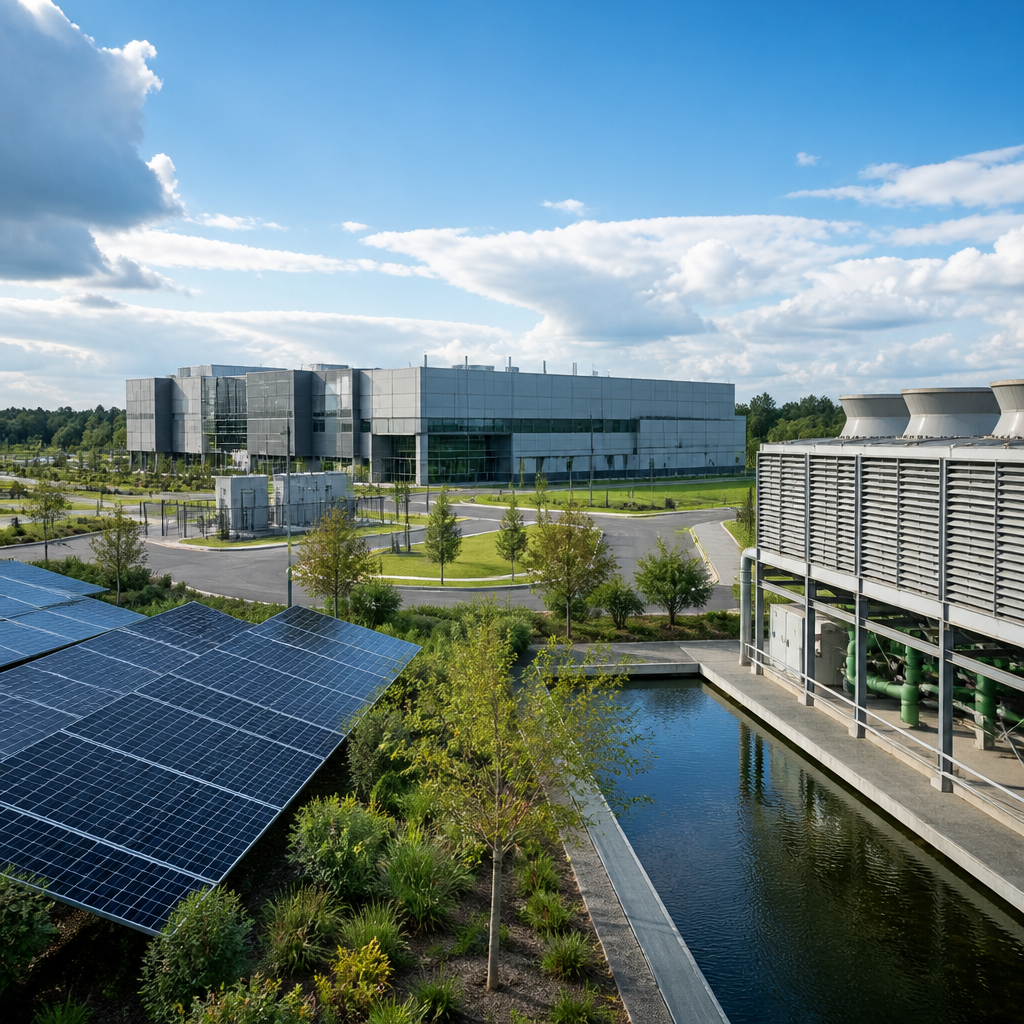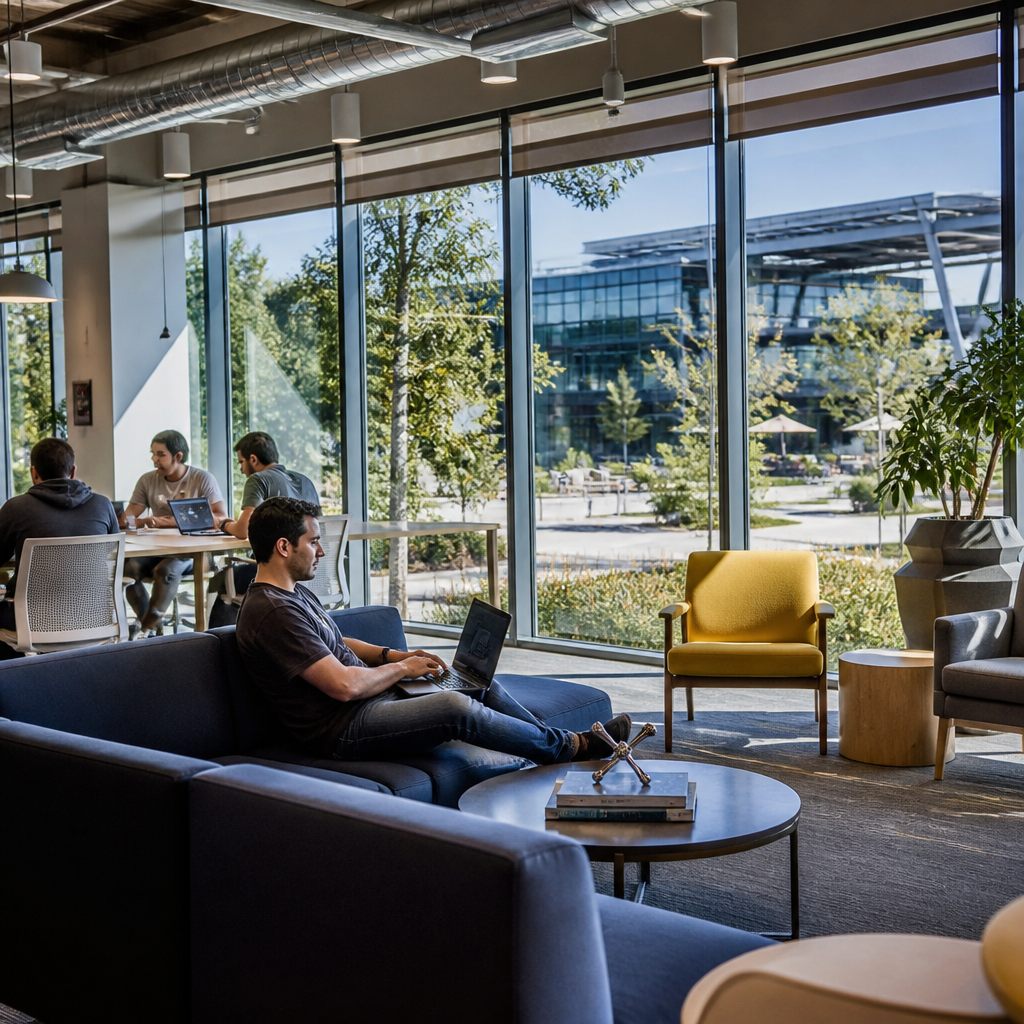
Silicon Valley has done more than create famous startups; it has fundamentally reshaped how modern workspaces are designed, managed, financed, and experienced. In this context, workspaces means both physical offices and the digital environments where teams collaborate, including communication platforms, cloud systems, and the management practices that connect them. The future of workspaces now depends on ideas first tested by venture-backed companies in Northern California: open collaboration, rapid experimentation, hybrid work, data-driven workplace planning, and software that turns location into a flexible asset rather than a fixed requirement.
This matters because workspace strategy now influences hiring, productivity, real estate costs, cybersecurity, employee well-being, and startup growth. I have worked with early-stage companies choosing their first offices, later shifting them to remote-first models, and the lesson is consistent: workspace decisions are no longer facilities issues alone. They are business model decisions. A startup that adopts the wrong workplace structure can slow product development, weaken culture, and waste capital. A company that gets it right can recruit globally, shorten decision cycles, and scale with less friction. Silicon Valley’s influence is therefore not aesthetic or cultural only; it is operational, financial, and strategic.
Silicon Valley became the proving ground because it combined venture capital, top engineering talent, research universities, and a tolerance for failure. That environment encouraged founders to question every office assumption, from assigned desks to meeting cadence. As companies like Google, Apple, Meta, Salesforce, Airbnb, Stripe, and Slack expanded, their workplace choices became case studies for founders everywhere. Some ideas spread because they improved innovation. Others spread because they signaled modernity, even when the evidence was mixed. Understanding that difference is essential for anyone studying advancements and startup success in today’s workspace landscape.
From Cubicles to Collaboration Systems
The most visible Silicon Valley contribution was the shift from hierarchical office layouts to collaboration-focused environments. Traditional offices separated executives, departments, and functions. Valley companies challenged that model with open plans, project rooms, informal meeting areas, and amenities intended to increase chance encounters. The goal was not simply to look progressive. It was to compress communication loops. When product managers, designers, and engineers can solve issues in minutes instead of waiting for formal meetings, development speeds up.
That said, open offices were never a universal win. Research from Harvard Business School showed that fully open layouts can reduce face-to-face interaction while increasing digital messaging, partly because workers seek privacy. In practice, the strongest workplaces now use a mixed model: open collaboration zones, quiet rooms, focus booths, and team neighborhoods. This is where Silicon Valley’s lasting influence is more sophisticated than the headline trend. The real advancement was not “remove walls.” It was treating workspace design as a product iteration problem informed by observation, usage data, and employee feedback.
Google’s campus planning and Pixar’s famous central atrium are often cited because they used architecture to increase cross-functional contact. Startup founders copied the visible features, but the deeper lesson was intentional adjacency. Teams that need frequent coordination should be physically or digitally close. The same principle now guides digital workspace design: channels, shared documents, and project dashboards should reduce switching costs and surface context automatically.
Digital-First Workspaces and the SaaS Stack
Silicon Valley also transformed workspaces by redefining them as software environments. The rise of Slack, Zoom, Notion, Asana, Figma, GitHub, Airtable, and Google Workspace means a company’s operating system is now its workspace. For many startups, the digital stack matters more than square footage. A well-configured workspace stack creates a searchable memory, clear accountability, version control, and visibility across time zones.
In my experience, the best startup teams treat tool selection like infrastructure planning. They define where decisions live, where documentation lives, how incidents are escalated, and which metrics are visible by default. For example, engineering teams often pair GitHub with Linear or Jira, customer teams use Salesforce or HubSpot, and executive teams rely on dashboards from tools like Looker, Tableau, or Mode. Without those systems, hybrid work quickly degrades into fragmented chats and duplicated effort.
Silicon Valley startups pushed this evolution because rapid growth exposed the limits of informal coordination. A ten-person company can run on memory; a one-hundred-person company cannot. Documentation, asynchronous communication, and workflow automation became competitive advantages. This is one reason startup success is increasingly linked to workspace maturity. Companies that codify knowledge early onboard faster, recover from turnover better, and maintain execution quality while scaling.
Hybrid Work as a Strategic Model
The pandemic accelerated remote work globally, but Silicon Valley helped normalize hybrid work as a permanent strategic choice rather than an emergency response. Firms such as Dropbox and Coinbase openly reconsidered headquarters-centric models, while others adopted anchor days, hub-and-spoke offices, or remote-first structures. The key insight was that presence should be designed around task type. Deep individual work often happens better remotely; brainstorming, mentoring, and trust-building may benefit from in-person time.
Hybrid work succeeds when companies define norms precisely. Employees need to know when meetings must be synchronous, when documentation is mandatory, how performance is evaluated, and whether advancement depends on office visibility. Without those rules, hybrid systems create inequity between remote and in-office workers. Silicon Valley’s more mature operators addressed this with written handbooks, meeting standards, and manager training, not just policy announcements.
| Workspace model | Primary advantage | Main risk | Best fit |
|---|---|---|---|
| Office-first | Fast in-person coordination | Higher real estate cost and narrower hiring pool | Hardware, lab, or highly iterative in-person teams |
| Hybrid | Balance of flexibility and collaboration | Coordination complexity and unequal visibility | Scaling companies with mixed work types |
| Remote-first | Global hiring and lower facility overhead | Weaker social cohesion if systems are poor | Software startups with strong documentation habits |
Real estate strategy changed alongside work models. Instead of maximizing desk count, companies now analyze utilization rates, badge data, meeting-room occupancy, and commute patterns. Tools from firms like Envoy, Robin, and Condeco help operators understand how space is actually used. This data-driven approach, another Silicon Valley hallmark, prevents founders from overpaying for space that sits half empty.
Startup Growth, Talent, and Workplace Experience
Silicon Valley’s impact on workspace design is tightly connected to talent competition. Startups learned early that workplace experience affects recruiting as much as salary. That includes flexibility, manager quality, ergonomics, inclusion, and access to the right tools. Free meals and game rooms got attention, but serious operators focused on the basics: reliable laptops, secure access, fast onboarding, clear goals, and spaces where people can do concentrated work.
Advancements in workplace technology now support that broader experience. Single sign-on through Okta or Microsoft Entra improves security and reduces login friction. Collaboration platforms integrate with knowledge bases so employees can find prior decisions quickly. Sensor-based environmental controls can improve comfort by adjusting lighting, temperature, and air quality. According to standards from ASHRAE and WELL, indoor environmental quality affects cognitive performance and well-being, making these features more than perks.
For startups, success often depends on how quickly a new hire becomes effective. I have seen two companies with similar funding produce very different outcomes because one had a structured workspace system and the other relied on tribal knowledge. The first gave every hire a ninety-day plan, documented workflows, access automation, and a clear communication map. The second improvised. The result was slower ramp time, repeated mistakes, and manager overload. Silicon Valley’s best companies institutionalized the first approach, and that discipline is now a benchmark worldwide.
The Next Workspace: AI, Distributed Teams, and Measured Outcomes
The next phase of workspace evolution is being shaped again by Silicon Valley through artificial intelligence, distributed operations, and outcome-based management. AI assistants now summarize meetings, draft project updates, search internal knowledge, and help employees navigate complex systems. Microsoft Copilot, Google Workspace AI features, Zoom AI Companion, and Notion AI are early examples. Used well, these tools reduce administrative drag and make large organizations easier to navigate.
However, AI does not fix a broken workspace model. If documentation is inconsistent, permissions are chaotic, or meetings lack decisions, automation simply accelerates confusion. Strong companies first establish source-of-truth systems, taxonomy standards, and governance rules. Only then does AI become a multiplier. This is a critical lesson for founders reading this hub article on tech innovations and startups: buy tools second, design operating principles first.
Another lasting shift is performance measurement. Silicon Valley helped move companies away from valuing time spent at a desk toward valuing outputs: shipped features, revenue impact, customer retention, incident response, and quality metrics. Frameworks such as OKRs, paired with team dashboards, make this practical. The benefit is clearer accountability across remote and hybrid teams. The limitation is equally important: metrics must be interpreted carefully, because not every valuable activity is instantly measurable.
Looking ahead, successful workspaces will be adaptable, instrumented, and human-centered. They will combine modular offices, strong digital infrastructure, security by design, and management practices built for distributed teams. They will also connect closely to startup success because workspace strategy now affects burn rate, employer brand, velocity, and resilience. That is the broadest impact Silicon Valley has had: it turned the workspace from a backdrop into a strategic system.
Silicon Valley changed the future of workspaces by proving that offices and digital tools can be designed as engines of innovation rather than static overhead. Its biggest contributions were not beanbags or open plans. They were faster collaboration models, software-centered operations, flexible work structures, and a relentless habit of testing what actually helps teams perform. For startups especially, workspace choices now shape hiring reach, operating efficiency, knowledge retention, and the pace of growth.
The practical takeaway is simple. Build your workspace around the work itself. Use office space intentionally, standardize your digital stack, document decisions, measure outcomes, and adjust based on evidence. Companies that do this create environments where people can focus, collaborate, and scale successfully. If you are building a startup or modernizing an established business, review your workspace strategy now and treat it as a core driver of long-term advantage.
Frequently Asked Questions
1. How has Silicon Valley influenced the design of modern workspaces?
Silicon Valley has had a defining influence on the way modern workspaces are conceived, built, and used. One of its biggest contributions was popularizing the idea that a workspace should actively support innovation rather than simply house employees. That shift changed office design from a static, hierarchical layout into a more flexible environment built around collaboration, speed, and adaptability. Open-plan offices, shared project areas, informal meeting spaces, and multipurpose rooms all grew in prominence because technology companies wanted environments that encouraged spontaneous conversation, rapid problem-solving, and cross-functional teamwork.
That influence extends beyond physical offices. Silicon Valley also helped redefine the digital workspace by normalizing cloud-based collaboration tools, instant messaging platforms, shared documents, project management systems, and video communication as central parts of daily work. In other words, the workspace is no longer just where people sit; it is the entire system that enables work to happen. This broader definition has become one of Silicon Valley’s most lasting legacies.
Equally important, the region introduced the idea that workspaces should be employee-centered. Amenities, wellness features, flexible seating, hybrid meeting technology, and data-driven workplace management all reflect a belief that environment affects creativity, productivity, and retention. While not every company adopts the Silicon Valley model in the same way, the broader impact is clear: today’s workspaces are expected to be dynamic, connected, and intentionally designed to support both people and performance.
2. Why are digital collaboration tools considered such a major part of the future workspace?
Digital collaboration tools are central to the future workspace because they allow organizations to function across locations, time zones, and work styles without losing coordination. Silicon Valley accelerated this change by building and scaling many of the platforms that now define modern work, including cloud storage, workplace messaging, video conferencing, collaborative documents, workflow dashboards, and enterprise software integrations. These tools transformed communication from something tied to a physical office into something continuous and accessible from almost anywhere.
The importance of these platforms goes far beyond convenience. They create a shared operating environment for teams, making it easier to track decisions, manage projects, preserve institutional knowledge, and support distributed workforces. In a traditional office model, critical information might stay locked in meetings, email chains, or individual desktops. In a digital workspace model, information becomes more visible, searchable, and usable across the organization. That improves agility and helps companies respond more quickly to change.
These tools also support the rise of hybrid and remote work, which are now permanent features of many industries. As organizations rethink how often employees need to be physically present, digital systems have become the infrastructure that keeps culture, accountability, and collaboration intact. Silicon Valley’s contribution was not just inventing software, but proving that digital environments can serve as primary workspaces in their own right. Going forward, companies that invest in secure, intuitive, and well-integrated digital collaboration systems will be better positioned to attract talent and maintain performance in a more flexible world of work.
3. What workplace management practices from Silicon Valley are shaping the future of work?
Many of the management practices now associated with the future of work were refined or popularized in Silicon Valley’s startup and growth-company culture. One of the most influential is the emphasis on flexibility. Rather than measuring productivity solely by time spent at a desk, many companies began focusing more on outcomes, speed of execution, and team alignment. This helped pave the way for flexible schedules, hybrid work arrangements, asynchronous collaboration, and greater autonomy in how employees structure their day.
Another major influence is the cross-functional operating model. Silicon Valley companies often bring together engineering, product, design, marketing, and operations teams to solve problems collaboratively instead of working in isolated departments. That approach has shaped both workspace design and organizational management. Offices now include more shared project zones and digital systems are built to facilitate transparency across teams. The result is a workplace culture where information flows more freely and decisions can be made faster.
Silicon Valley also promoted experimentation in management itself. Practices like agile workflows, rapid feedback loops, continuous iteration, and data-informed decision-making have spread far beyond the tech sector. Leaders increasingly use workplace analytics to understand space utilization, communication patterns, and employee engagement, then adjust policies and environments accordingly. At the same time, the region helped elevate conversations around employee experience, including mental well-being, mission alignment, learning opportunities, and workplace belonging. While not every Silicon Valley management trend has been universally successful, its overall effect has been to push organizations toward more adaptive, technology-enabled, and people-aware ways of working.
4. How has venture capital affected the evolution of workspaces?
Venture capital has played a powerful role in shaping the future of workspaces because it funds the experimentation that later becomes mainstream. In Silicon Valley, venture-backed companies often have the resources and incentives to move quickly, test unconventional ideas, and scale new workplace models before more traditional organizations are willing to adopt them. That includes not only the software that powers digital collaboration, but also new office concepts, employee experience platforms, flexible workspace businesses, and workplace analytics tools.
This funding environment helped create a culture in which workspace innovation became part of business strategy. Startups competing for talent invested heavily in office design, collaboration technology, and workplace perks as differentiators. At the same time, software firms built products to solve the operational challenges created by fast growth, distributed teams, and increasingly complex work environments. Many of the tools now used by companies worldwide—whether for communication, scheduling, document sharing, or facilities management—emerged from that cycle of venture funding, rapid iteration, and market expansion.
Venture capital also influenced expectations. By backing companies that treated the workspace as a strategic asset, investors reinforced the idea that where and how people work can affect innovation, recruiting, culture, and enterprise value. That mindset spread across industries. Today, even companies far removed from Silicon Valley often view workspace decisions through a strategic lens, asking how physical and digital environments can improve collaboration, support growth, and strengthen resilience. In that sense, venture capital did not just fund startups; it helped finance a new philosophy of work itself.
5. What does Silicon Valley’s impact mean for the long-term future of offices and hybrid work?
Silicon Valley’s impact suggests that the future of offices will be less about fixed attendance and more about purposeful use. The traditional office was often designed around supervision, routine, and individual desk work. The newer model, heavily influenced by Silicon Valley, treats the office as one component of a broader workspace ecosystem. Physical offices are increasingly being reimagined as destinations for collaboration, creativity, relationship-building, and culture rather than default locations for every task. That is a major long-term shift.
Hybrid work fits naturally into this model because it blends physical and digital environments according to business needs and employee responsibilities. Tasks requiring concentration or asynchronous progress may happen remotely, while strategic planning, onboarding, brainstorming, and team connection may be better suited to in-person settings. Silicon Valley helped normalize this logic by proving that digital tools can support productivity at scale while also showing that physical environments still matter when they are designed intentionally.
Over the long run, this means companies will likely continue investing in smarter offices and stronger digital infrastructure at the same time. We can expect more technology-enabled meeting rooms, flexible floor plans, reservation systems, workplace analytics, and integrated collaboration platforms that create a seamless experience across home, office, and mobile work. The broader lesson from Silicon Valley is that the future workspace is not a single place. It is an adaptive network of spaces, tools, and management practices built to support innovation, resilience, and human connection in a constantly changing economy.