Silicon Valley, known as the epicenter of technological innovation, has long been influencing various aspects of our lives. Its impact extends beyond software and gadgets to the domains of architecture and interior design. Modern home design has been significantly shaped by the principles and technologies emanating from this hub, fostering environments that are not only technologically advanced but also sustainable, efficient, and attuned to the needs of a contemporary lifestyle. Predictably, the blending of digital technologies with everyday living spaces has revolutionized how we perceive and interact within our homes. From smart homes equipped with intuitive systems to the adoption of minimalist design inspired by tech companies’ sleek aesthetics, Silicon Valley isn’t just altering our digital experiences but reshaping the very spaces we inhabit.
The drive towards creating smarter, more connected living environments is a direct consequence of the cultural and technological ethos prevalent in Silicon Valley. Pioneers in this region place a premium on innovation, and as such, homeowners have started to favor designs that incorporate these forward-thinking concepts. Hence, the latest home design trends incorporate cutting-edge technology, interpersonal connectivity, and ecological responsibility. Tech companies have been instrumental in pioneering solutions to everyday problems, with their product designs influencing residential layouts and operational systems. By examining these influences, we gain insight into the profoundly transformative impact Silicon Valley exerts on modern home design, weaving a narrative that juxtaposes technological evolution with architectural trends.
Furthermore, the dialogue between technology and design fosters a commitment to solve practical household challenges while enhancing aesthetic pleasure. Silicon Valley’s exemplification of a seamless integration of technology in life informs the very foundation of what constitutes a modern home. Households today are being designed to integrate effortlessly with smart devices and systems, allowing for a harmonious and synchronized environment where technology doesn’t overwhelm but rather complements the living experience. Residents are empowered by enhanced control and accessibility, with this synergy becoming the hallmark of forward-looking home spaces. As we delve into the specifics of this trend, we see how these innovations are setting the stage for a future where our relationship with our living spaces is defined by both functionality and sophistication.
Technological Integration in Home Design
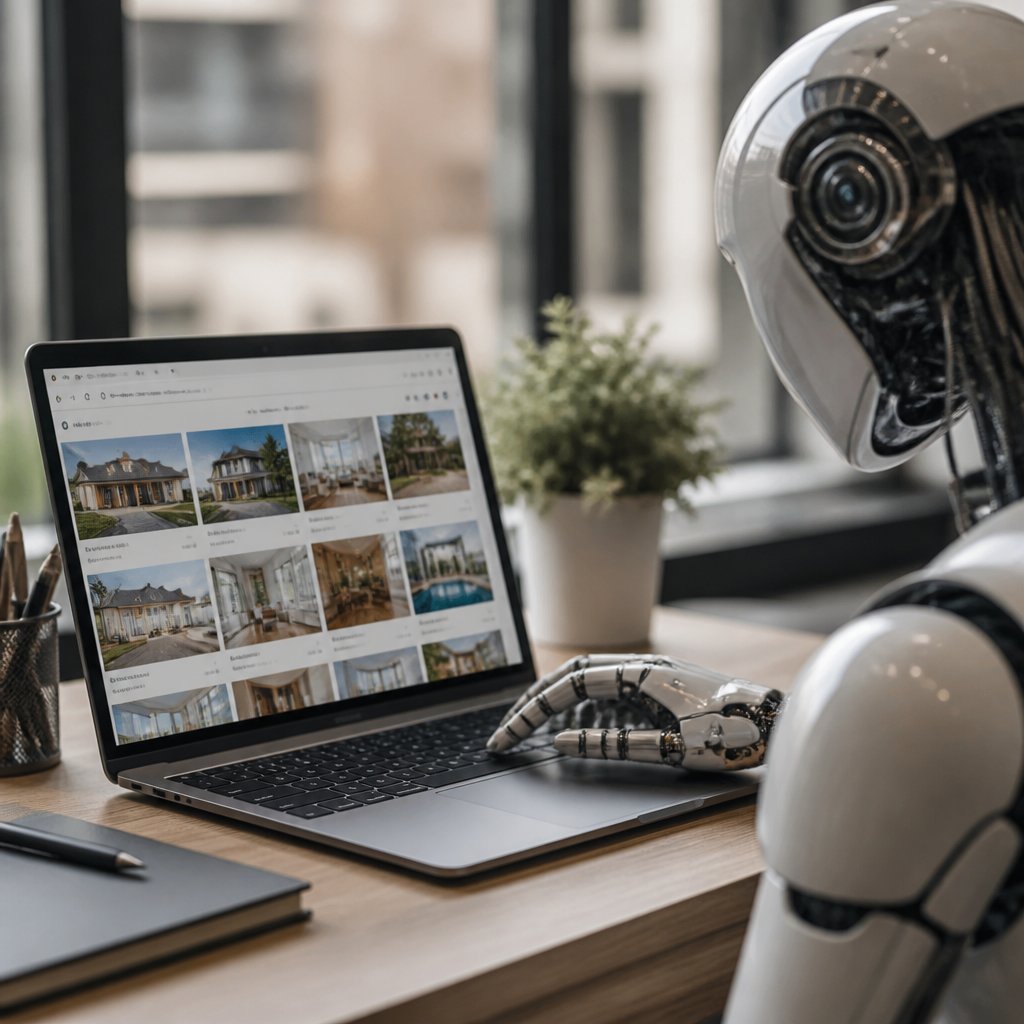
The cornerstone of Silicon Valley’s influence on modern home design lies in technological integration. Today, the concept of a “smart home” manifests through devices and systems that provide streamlined management of domestic tasks. Homeowners are increasingly embracing innovations such as voice-controlled assistants, automated lighting, and temperature controls, which are seamlessly integrated into the physical structure of homes. These systems are all about enabling seamless control, fostering convenience and enhancing quality of life. These smart technologies have their roots deeply embedded in Silicon Valley. Pioneering companies, including Google, Apple, and Amazon, have developed voice-activated virtual assistants and other smart gadgets that form the backbone of modern homes.
Homes are now designed to accommodate rapidly evolving technology, emphasizing flexibility and adaptability. The layout and wiring of a house are pre-configured to support a network of connected devices, ensuring that every gadget communicates effectively, enhancing the user experience. With high-speed internet and cloud-based systems, control extends beyond physical limitations. Homeowners can manage security systems, appliances, and lighting solutions remotely, regardless of their physical location. This level of control over a remote system reflects a significant departure from traditional design models that relied heavily on manual operation. The sophistication of this integration signifies a shift towards homes that do not merely serve as static environments, but dynamic entities responding in real-time to their inhabitants’ needs.
Moreover, these technologies are not solely about enhancing convenience; they also address energy efficiency and sustainability, taking cues from Silicon Valley’s environmental consciousness. Smart thermostats, advanced HVAC systems, and automated lighting schedules contribute to reducing not only carbon footprints but also energy bills. The innovation seen in these areas reflects Silicon Valley’s ongoing agenda to weave sustainability into its technological fabric, ultimately influencing design choices. The expansion of smart tech within homes underscores a broader trend of integrating technology with sustainable practices, with homes acting as dynamic testbeds for solutions designed to be leveraged more broadly on a societal level. Thus, technological integration in homes is much more than a trend; it represents an essential evolution towards a more sustainable, efficient, and user-centric lifestyle.
Aesthetic Influences from Silicon Valley Culture
Silicon Valley’s influence extends into the aesthetic choices that characterize modern home design. The minimalistic and functional design ethos that underpins tech giants in the region has found its way into residential aesthetics. This minimalism is rooted in the principle of optimizing space while maintaining a sleek, clutter-free appearance. Homes now often feature open-plan designs that enhance the sense of space and flow—an architectural philosophy synonymous with tech-driven workspaces. Clutter is minimized, and the emphasis is placed on clean lines and neutral palettes, inspired by the simplicity and elegance of digital interfaces. This reflects a design language that prioritizes substance over opulence, focusing on how inhabitants interact with their spaces.
Apart from spatial arrangements, the choice of materials and furnishings in modern homes often draws influence from the natural and high-tech dichotomy present in Silicon Valley. By blending wood, glass, and metal, designers are creating environments that are both inviting and futuristic. The use of sustainable materials mirrors tech firms’ commitment to environmental stewardship. Furniture with multipurpose capabilities and adaptable features is gaining popularity, resonating with the dynamic innovation synonymous with Silicon Valley start-ups. These design choices are not merely stylistic but serve practical ends, such as facilitating easier reconfiguration of spaces or supporting a variety of activities within a single room, reflecting the technology industry’s characteristic adaptability.
In the context of aesthetic influence, light also plays a critical role. With open layouts, natural light is maximized, a concept borrowed from the light-filled environments of tech offices that aim to boost productivity and morale. Modern home designs harness natural lighting through expansive windows and skylights, aligning with the broader goal of energy efficiency and enhancing the emotional connection with one’s environment. This shift towards designs that maximize natural light not only reduces dependency on artificial lighting but also underscores a commitment to biophilic design principles that prioritize connecting individuals with their natural surroundings. Silicon Valley’s impact continues to usher in a reinterpretation of aesthetics wherein the natural meets the high-tech, creating homes that are at once modern yet intrinsically human-centered.
Practical and Lifestyle Considerations
The prevalence of technology in everyday life has resulted in homeowners considering practical and lifestyle shifts when designing their living spaces. Work-from-home arrangements, now common due to the technological tools that tech companies have championed, have transformed the dynamics of modern home design. Homes are increasingly accommodating fully equipped home offices or workspaces that blend seamlessly into the residential atmosphere. This demonstrates a departure from the traditional notion of separate work and home environments, highlighting the role of versatile spaces in facilitating a work-life balance. The integration of office facilities within homes accommodates the agile working styles that Silicon Valley tech employees often enjoy, thus creating spaces where both professional and personal realms can harmoniously coexist.
On a practical level, smart storage solutions, flexible spaces, and multifunctional rooms are becoming typical in modern home design. These accommodations make homes adaptable to various activities, from leisure to work. Flexibility is becoming a highly valued attribute, with interior design aligning with the fluid nature of modern lifestyles. For instance, movable partitions, modular furniture, and transformable spaces allow for dynamic configurations within homes, reflective of the Silicon Valley ethos of adaptability and innovation. The homes of today are less about permanence and more about evolution, enabling inhabitants to reimagine their use of space as their requirements change over time, much like the iterative processes employed in software development.
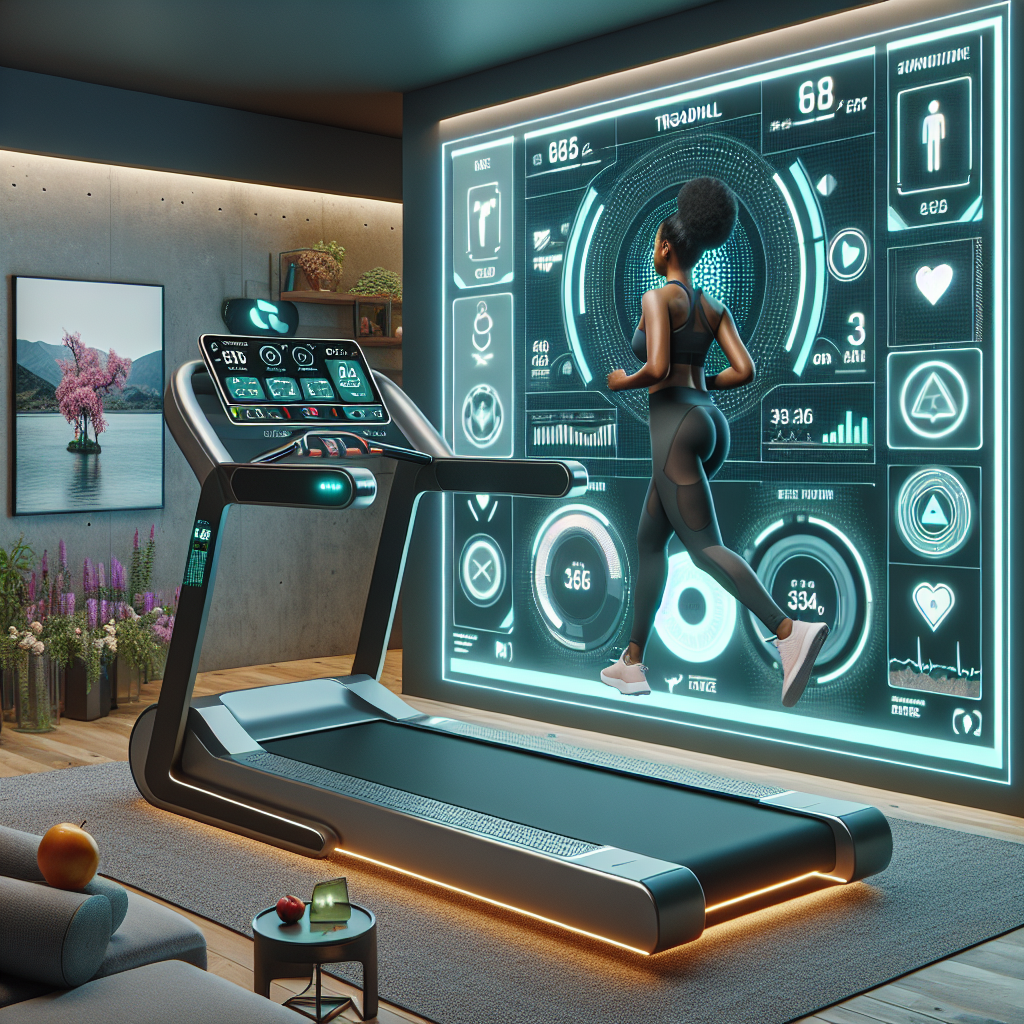
Additionally, the concept of personalization plays a large role in how Silicon Valley influences home design. Apps and platforms are being developed that allow residents to customize lighting, soundscapes, and temperature preferences at granular levels. This focus on personalization emphasizes user experience—an attribute deeply rooted in tech product development. It represents another layer of Silicon Valley’s influence, fostering a sense of ownership and bespoke functionality within homes. As technology evolves, so too will the capacity for homes to adapt to personal preferences, providing tailored experiences that reflect the individuality of their occupants, much like the customizable features in technology products designed to foster user engagement.
Conclusion
In summarizing the profound impact of Silicon Valley on modern home design, it becomes clear that the intersection of technology and architecture is both inevitable and beneficial. The principles of connectedness, efficiency, and adaptability that are so vital to the tech industry now echo throughout residential design. This intersection has given rise to homes that are not only smart but are also sustainable and aesthetically pleasing. The influence of Silicon Valley fosters a cultural shift towards a harmony between life and work, nature and technology, and individualization and community within domestic environments. These homes embody the best of both worlds—the ability to blend high-tech innovation with thoughtful, intentional living spaces.
The ongoing trend of integrating technology with home design serves as a testament to our evolving relationship with our environment, a relationship enriched by constant advancements from the tech sector. As our homes become more intelligent and our living spaces more intuitive, they are shaping a lifestyle that caters to modern needs while ensuring adaptability for future shifts. The remarkable convergence of innovation and design inspired by Silicon Valley offers invaluable insights into a future where our homes serve as enablers of smarter, more efficient, and ultimately more fulfilling lives.
Indeed, as technology continues to advance, one can only anticipate further transformations in home design—transformations that will expand what is possible within our living spaces. As the boundary between the digital and physical continues to blur, the next frontier in architectural evolution will likely see homes that are entirely responsive to the rhythms of everyday life. With Silicon Valley leading the charge, the future of home design promises to be one where the interplay between technology and lifestyle leads not only to aesthetic evolution but to enhancing the very essence of what it means to live comfortably and effectively in a rapidly changing world.
This synergy of technology and home design symbolizes a revolutionary step toward future living that harmonizes cutting-edge innovation with human-centric spaces. Embracing this transformation paves the way forward toward designing homes that cater to the multifaceted lives we lead—homes that are not merely spaces of dwelling but epicenters of new possibilities and enriched experiences. Thus, the future of home design, guided by Silicon Valley’s influential paradigms, stands as a testament to the power of technology—a power that not only redefines our living environments but unlocks a future of unlimited potential.
Frequently Asked Questions
1. How does Silicon Valley’s technology influence the design of modern homes?
The influence of Silicon Valley on modern home design is profound and multifaceted. In today’s homes, technology has moved beyond simple convenience to becoming a core design principle. Smart home systems, which include integrated and automated lighting, heating, and security controls, have their roots in the tech innovation synonymous with Silicon Valley. These systems allow homeowners to manage their homes through smartphones or tablets, making daily life more efficient and providing a seamless living experience. Additionally, advancements in sustainable technology are being incorporated into homes, driven largely by the eco-conscious mindset that Silicon Valley champions. Solar panels, energy-efficient appliances, and sustainable building materials are becoming standard in modern architectural design, reducing environmental impact while lowering utility costs. It’s about creating homes that are not only smarter but also give back to the environment. The open-space concept popular in contemporary homes, allowing for a digital-friendly, flexible living environment, is also inspired by the collaborative and flexible working environments found in tech companies across the Valley.
2. What are some specific examples of tech-inspired features in contemporary homes?
Many tech-inspired features have become standard in contemporary homes, rooted deeply in Silicon Valley’s innovations. For example, voice-activated controls are now ubiquitous, allowing homeowners to adjust lighting, control appliances, and even manage home security through simple voice commands, thanks to advancements akin to those used in Silicon Valley’s development of virtual assistants like Alexa and Siri. Then there is the growing popularity of home automation systems which enable centralized control over multiple home systems like HVAC, lighting, and security. Smart kitchens equipped with internet-connected devices that help manage groceries or provide recipe suggestions based on available ingredients are another tech-inspired feature. Moreover, tech-savvy security systems that utilize live camera feeds, remote locking and unlocking, and real-time alerts offer enhanced safety and peace of mind. Not to forget the implementation of VR and AR technologies in the design process itself, where homeowners can experience a virtual walkthrough of their home before it’s even built, ensuring that the final product fits their vision perfectly.
3. How is Silicon Valley addressing sustainability in home design?
Silicon Valley champions an ethos focused on sustainability and eco-friendly innovations, which reflects profoundly in home design. One of the most significant impacts is the integration of renewable energy sources, such as solar panel installations, stemming from initiatives supported by Silicon Valley companies like Tesla. Homes are increasingly built with sustainable materials that have a lesser environmental impact, such as recycled steel or sustainable bricks. Furthermore, energy-efficient HVAC systems and smart thermostats are now widely used, contributing significantly to reduced energy consumption. Water-saving technologies, like smart irrigation systems and low-flow fixtures, also demonstrate how modern homes can conserve resources without sacrificing functionality. Tech companies’ research into sustainable materials has even led to advancements in building techniques that reduce carbon footprint, such as 3D printing of house components. Importantly, the Valley’s influence in promoting eco-friendly practices can be seen in the design of homes equipped to integrate with future green technologies, ensuring homes remain sustainable and efficient long into the future.
4. In what ways are modern home design principals from Silicon Valley improving quality of life?
Modern home design principles imported from Silicon Valley serve to significantly enhance the quality of life by fostering environments that cater to convenience, efficiency, and a better work-life balance. The integration of smart home technologies facilitates daily tasks and reduces manual intervention, offering individuals more time to focus on personal interests and family. Furthermore, these homes, designed with wellness in mind, often embrace biophilic design concepts which connect the occupants with nature, reducing stress and improving mental health. Consistent indoor climate control and advanced filtration systems further add to overall physical well-being by ensuring homes remain comfortable and breathable. Another key element affecting quality of life is flexibility—contemporary design often includes multi-purpose spaces conducive to different needs, from remote work stations to home gyms, reflecting the “always adaptable” tech culture of Silicon Valley. Connectivity, whether through ideal internet facilities or seamless integration with handheld devices, ensures that the boundaries between work and leisure are easily managed, directly translating to a more satisfying and balanced lifestyle.
5. What role does Silicon Valley play in shaping future trends in home design?
As an incubator of cutting-edge technology and innovation, Silicon Valley constantly shapes and forecasts future home design trends. Its focus on pioneering technologies suggests promising developments such as smart urban planning, where homes are not just individually smart but collectively form connected communities with shared resources like solar energy grids and communal gardens. Artificial Intelligence (AI) is expected to play an even larger role, enhancing everything from interior design personalization to real-time energy management systems, anticipating needs before homeowners realize them themselves. Virtual and augmented reality tools will further evolve, transforming not only how homes are designed but how interiors are personalized, offering endless customization possibilities suited to individual tastes and lifestyles. The emphasis on sustainability is expected to deepen, with developments in green technology continuing to emerge from the Silicon Valley think tank. As Sensor and blockchain technologies become more mainstream, expect home systems that execute tasks efficiently with lesser human intervention, all while optimizing energy and resource consumption. By leading the nexus between technology and habitat, Silicon Valley ensures that the future home will be as intuitive as it is innovative, serving as a sanctuary that anticipates and caters to every need.