Santa Clara became the center of America’s semiconductor industry because geography, university research, military demand, venture capital, and a culture of rapid technical spinouts converged there earlier and more powerfully than anywhere else. In semiconductor history, “Santa Clara” refers not just to one city but to the broader Santa Clara Valley, the core of what became Silicon Valley. “Semiconductor roots” means the early chain of people, laboratories, manufacturers, suppliers, and customers that transformed fragile lab discoveries into a durable industrial ecosystem. This matters because today’s chip industry, from smartphones to data centers to electric vehicles, still reflects decisions first made in this region: how firms recruit talent, protect intellectual property, scale fabrication, and finance risky innovation.
I have worked with semiconductor company archives, oral histories, and manufacturing timelines, and one lesson appears repeatedly: industries rarely cluster by accident. They cluster when technical know-how, capital, infrastructure, and market access reinforce each other over decades. Santa Clara offered all four. The region combined Stanford University’s engineering push, wartime electronics demand, migration of PhD-level talent, and an unusually high tolerance for employee mobility. That mobility mattered. Engineers who learned transistor physics or process integration at one company often founded or joined the next. The result was not a single breakthrough but a compounding network effect. To understand why Santa Clara dominated, you have to examine its pre-chip economy, the Shockley and Fairchild era, the rise of integrated circuits, and the local institutions that made each generation of firms easier to launch than the last.
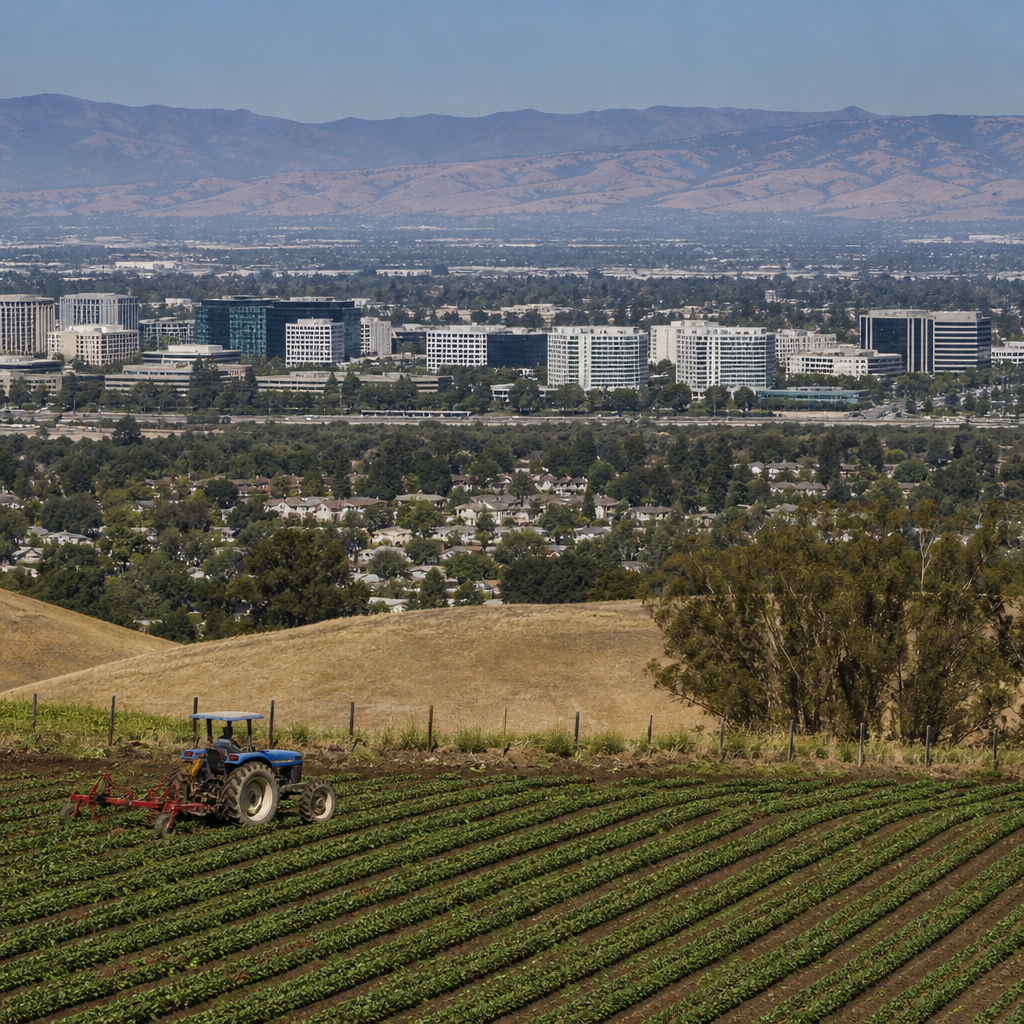
Santa Clara Valley did not begin as an electronics powerhouse. Before semiconductors, it was known for orchards, food processing, and light manufacturing. Yet those industries contributed indirectly to later success. The region had available land, expanding transportation links, and communities willing to accommodate industrial growth. More important, Northern California already had a technical base shaped by radio, vacuum tube work, and defense electronics. By the mid twentieth century, this local capacity lowered the barrier for semiconductor firms that needed machinists, chemical suppliers, instrument technicians, and clean manufacturing space. Semiconductor roots are therefore not just about one inventor or one company. They are about how a place learned to support precision manufacturing at industrial scale.
Stanford, Defense Spending, and the Foundations of a Cluster
Stanford University was central to Santa Clara’s semiconductor rise because it actively linked academic research to local industry. Frederick Terman, often called a key architect of the region’s technology growth, encouraged faculty and graduates to start companies rather than leave for the East Coast. Stanford Industrial Park, established in the 1950s and later known as Stanford Research Park, gave technology firms proximity to laboratories, graduates, and shared professional networks. That model was practical, not symbolic. Companies could recruit engineers, collaborate informally with researchers, and gain legitimacy simply by being located near Stanford.
Defense spending amplified that foundation. During and after World War II, the federal government poured money into radar, communications, missile guidance, and electronics reliability. Early semiconductor devices were expensive and often less reliable than mature alternatives, so commercial demand alone would not have sustained rapid scaling. Military and aerospace contracts helped bridge that gap. Firms in and around Santa Clara could sell high-value components for systems where size, weight, and power efficiency justified the cost. This pattern repeated across the industry. Government demand often pays for the first costly generations of advanced technology before consumer markets expand enough to drive volume production.
Another underappreciated factor was technical adjacency. Semiconductor manufacturing depends on photolithography, materials science, metrology, contamination control, packaging, and test engineering. Santa Clara accumulated competence in these fields through universities, defense labs, and electronics contractors. Once that base existed, each new firm faced lower startup friction. Equipment could be sourced nearby. Experienced process engineers could be hired without relocating entire teams. Legal and financial professionals learned the rhythms of technology ventures. In cluster economics, this is the point where a region stops merely hosting companies and starts reproducing an industry.
Shockley, Fairchild, and the Talent Diaspora That Built an Industry
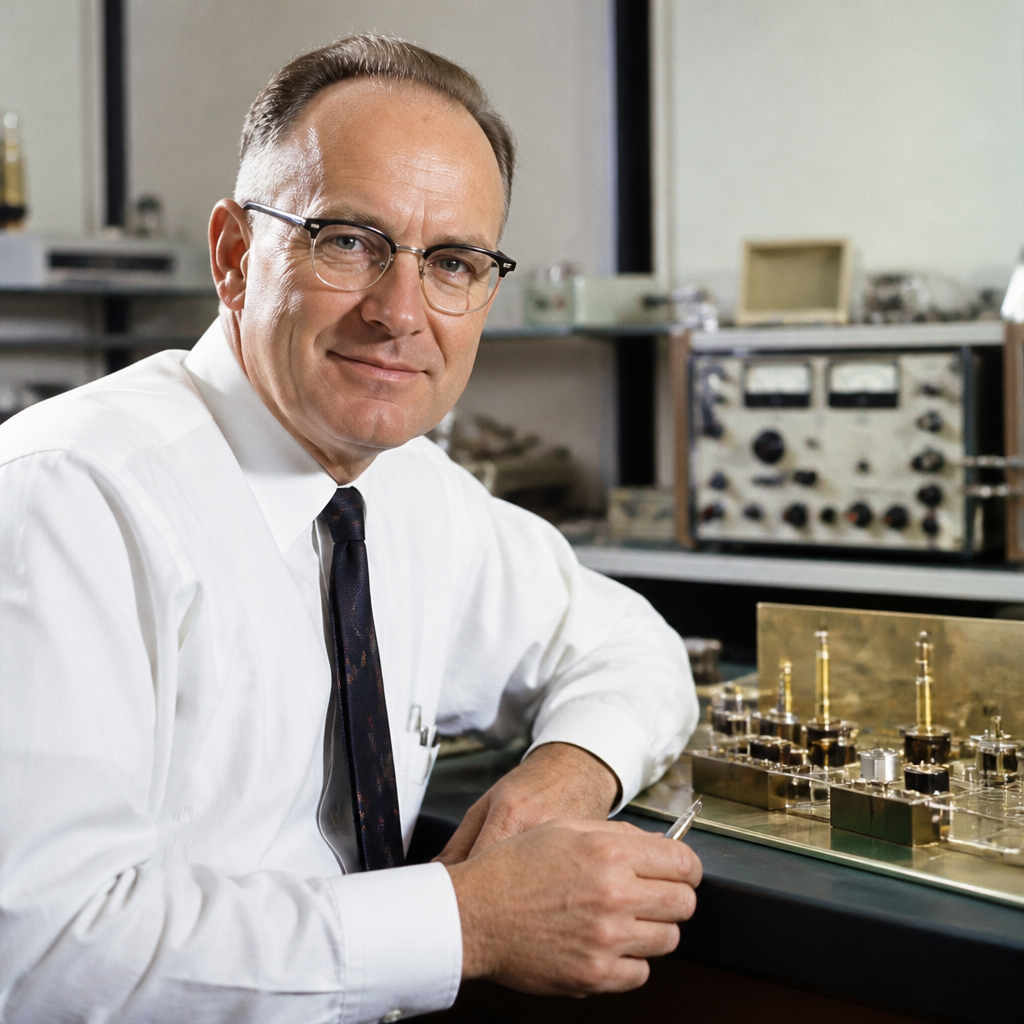
The most famous turning point came in 1956 when William Shockley, co-inventor of the transistor and a Nobel laureate, returned to the area and established Shockley Semiconductor Laboratory in Mountain View. On paper, Shockley’s presence should have guaranteed success. In practice, his management style alienated many of his best employees. That failure became Santa Clara’s advantage. In 1957, eight young scientists and engineers left Shockley to form Fairchild Semiconductor with backing arranged through New York financier Sherman Fairchild. The group later became known as the “Traitorous Eight,” and their move is one of the foundational events in American business history.
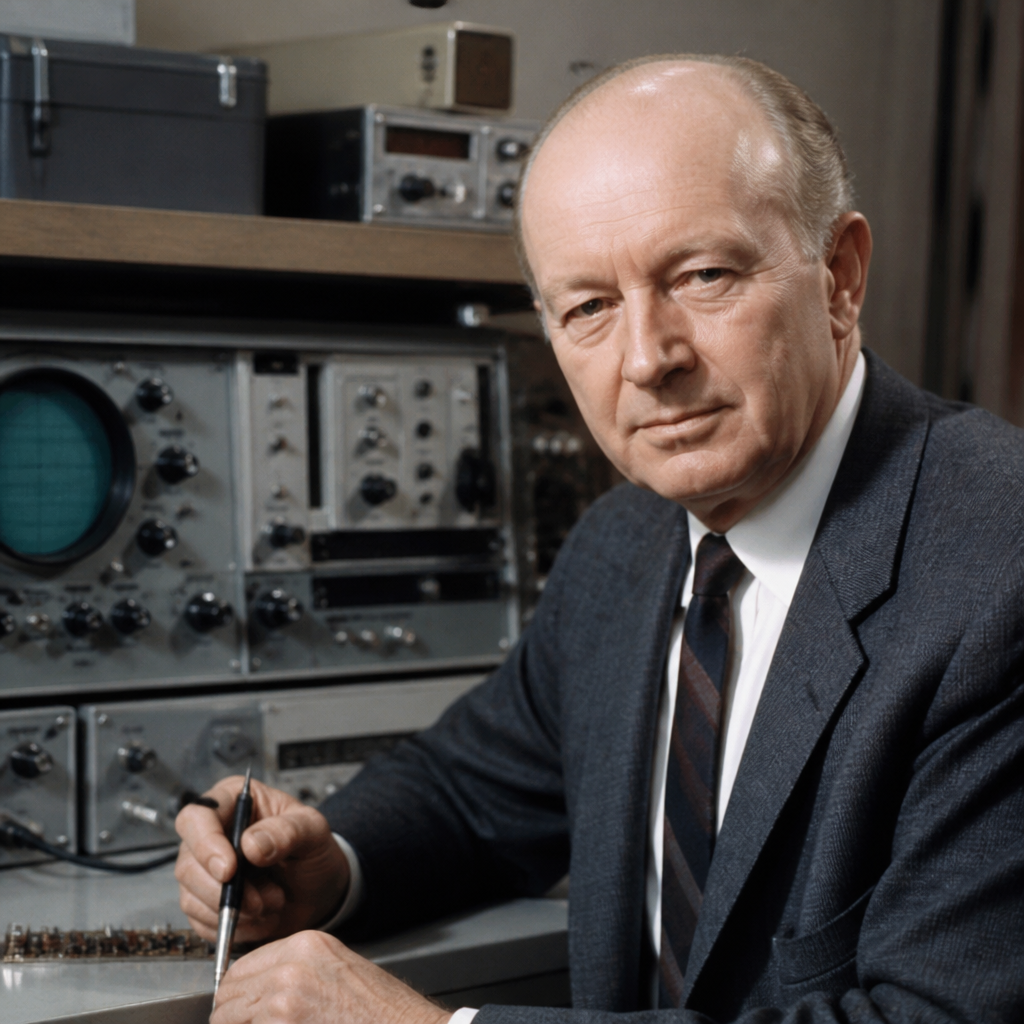
Fairchild mattered because it translated deep semiconductor science into repeatable manufacturing and organizational precedent. Under leaders such as Robert Noyce and with process innovations from Jean Hoerni, Fairchild advanced the planar process, a manufacturing method that made silicon devices more reliable and easier to scale. The planar process, combined with photolithographic patterning and oxide passivation, created the basis for practical integrated circuits. This was not just a clever lab trick. It was the bridge from discrete components to modern chip fabrication. Once Fairchild proved that high-performance semiconductor production could be done successfully in Santa Clara Valley, the region became a magnet for ambitious engineers.
The spinout pattern that followed is the real story of semiconductor roots. Former Fairchild employees founded or led dozens of major firms, including Intel, AMD, National Semiconductor, and many smaller equipment and component companies. This phenomenon is often called the “Fairchild diaspora,” and it is a textbook example of knowledge diffusion through labor mobility. People carried not only technical skills but also management habits, supplier relationships, and beliefs about how fast decisions should be made. In Santa Clara, leaving one semiconductor company to start another gradually became normal rather than reckless. That social acceptance of spinouts helped the region outpace older industrial centers where hierarchy was stronger and employee movement was viewed with suspicion.
| Company | Key Figure or Origin | Historical Contribution |
|---|---|---|
| Shockley Semiconductor | Founded by William Shockley in 1956 | Attracted elite transistor talent to the region |
| Fairchild Semiconductor | Founded by the Traitorous Eight in 1957 | Commercialized planar manufacturing and seeded future startups |
| Intel | Founded by Robert Noyce and Gordon Moore in 1968 | Led memory and microprocessor development |
| AMD | Founded in 1969 by former Fairchild personnel | Expanded logic and processor competition |
| National Semiconductor | Grew through Fairchild-era talent networks | Scaled analog and mixed-signal production |
Why Silicon Chips, Venture Capital, and Manufacturing Discipline Took Hold Locally
Santa Clara’s dominance also depended on choosing the right technical and financial paths. Early semiconductor work involved germanium as well as silicon, but silicon proved better for many applications because its native oxide enabled stable surface passivation and planar manufacturing. That advantage aligned perfectly with the process innovations emerging at Fairchild and neighboring firms. In other words, the local cluster was not merely lucky to be present for the transistor era; it specialized around the material system best suited for integrated circuits. Once silicon fabrication methods improved, the valley’s firms had a durable process lead.
Venture capital then gave the cluster speed. The San Francisco Peninsula and nearby communities developed a financing model built for high technical uncertainty: staged funding, active board oversight, stock options, and acceptance of failure as a normal outcome. Semiconductor ventures needed expensive equipment and long development cycles, but they also offered extraordinary upside if yields improved and customers adopted a new device category. Investors who understood transistor economics could evaluate process roadmaps, not just product pitches. That was rare elsewhere. In Santa Clara, capital became specialized knowledge.
Manufacturing discipline completed the formula. Chips are not pure invention; they are controlled repetition. Yield learning, defect density reduction, statistical process control, reliability testing, and packaging optimization decide whether a brilliant design becomes a viable product. Santa Clara firms built cultures around these realities. They invested in diffusion furnaces, mask alignment, wafer probing, and quality systems because customers in defense, computing, and communications demanded consistency. This manufacturing mindset later supported breakthroughs in memory, microprocessors, and custom logic. The lesson from Santa Clara’s semiconductor roots is straightforward: innovation wins only when process capability scales with it.
From Semiconductor Roots to the Modern Silicon Valley Playbook
By the 1970s and 1980s, Santa Clara was no longer just a chipmaking center; it had become the template for a broader technology economy. Intel’s memory business and later microprocessors demonstrated that semiconductor firms could shape entire computing architectures. Applied Materials and other equipment suppliers showed that tools could become major businesses in their own right. Legal specialists refined stock-option structures, recruiters mapped talent across competing fabs, and local governments increasingly identified advanced electronics as a strategic industry. The ecosystem deepened vertically and horizontally at the same time.
Santa Clara also benefited from timing in end markets. Mainframes, minicomputers, personal computers, networking gear, and eventually internet infrastructure all depended on dense, reliable, and steadily cheaper integrated circuits. As Moore’s Law pushed transistor counts upward, companies already embedded in the valley had privileged access to expertise and partnerships. Gordon Moore’s 1965 observation was not a magic law of nature, but it became an organizing target for research, capital allocation, and product planning. Santa Clara firms were unusually prepared to operationalize that target because they had already built habits of rapid iteration and cross-company hiring.
There were limits and tradeoffs. Semiconductor fabrication later spread to other U.S. states and to East Asia as labor structures, subsidies, water access, and scale economics changed. Santa Clara itself became more associated with design, equipment, software, and venture formation than with every stage of manufacturing. Yet that shift does not weaken its historical claim. It proves the strength of the original cluster. The region established the managerial methods, supplier networks, and innovation culture that others later adapted globally. If you are exploring semiconductor roots within historical perspectives, Santa Clara is the essential hub because it shows how invention becomes industry, and how industry becomes an enduring model. Continue through the connected articles in this subtopic to trace the people, firms, and process breakthroughs that grew from this valley into the modern chip world.
Frequently Asked Questions
Why did Santa Clara become the center of America’s semiconductor industry instead of another region?
Santa Clara emerged as the leading center of America’s semiconductor industry because several powerful advantages came together there earlier, faster, and more completely than in most other places. The region offered a rare combination of scientific talent, manufacturing know-how, institutional support, and willing capital. In practice, this meant that researchers could develop new ideas, engineers could turn those ideas into manufacturable devices, investors could fund expansion, and nearby customers—especially defense and aerospace organizations—could create reliable demand. Few regions had all of those ingredients operating at the same time.
Geography also mattered in a practical sense. Santa Clara Valley had room for industrial facilities, favorable weather, and growing suburban communities that attracted highly educated workers and their families. Just as important, the area developed a strong technical identity through Stanford University and its surrounding research culture. Stanford helped link academic work to real-world engineering and business formation, encouraging a local environment where advanced electronics could move quickly from the laboratory to production.
Another critical reason was momentum. Once a few successful semiconductor companies and laboratories took root in the valley, they generated a self-reinforcing cycle. Experienced engineers trained younger engineers, suppliers set up nearby, entrepreneurs left established firms to found new ones, and investors became more confident because they could see a pipeline of talent and ideas. Over time, Santa Clara stopped being just a good location for semiconductors and became the place where the industry’s networks, opportunities, and expertise were most concentrated.
What role did Stanford University and regional research institutions play in Santa Clara’s semiconductor rise?
Stanford University was one of the most important forces behind the rise of Santa Clara as a semiconductor hub. Its influence went far beyond classroom education. Stanford helped create a local culture in which advanced scientific research was expected to lead to practical engineering, new companies, and regional economic growth. Faculty relationships with industry, encouragement of applied research, and support for technical entrepreneurship all helped bridge the gap between invention and commercialization.
The university also supplied a steady stream of highly trained scientists and engineers who could work in emerging semiconductor companies. That talent pipeline mattered enormously in an industry where progress depended on physics, materials science, electrical engineering, fabrication methods, and production discipline. When companies could hire skilled people locally, they could expand faster, solve technical problems more efficiently, and keep specialized knowledge circulating within the region.
Regional research institutions and laboratories amplified that effect. They contributed ideas, equipment expertise, and collaboration networks that made Santa Clara more than just a manufacturing center. It became a place where research, prototyping, and scaling could happen in close proximity. That proximity reduced friction. Instead of waiting for distant partners, companies could work with nearby academics, suppliers, and fellow engineers to refine devices and processes. In semiconductors, where incremental technical improvements often determine success, that local concentration of research capability was a major competitive advantage.
How did military and government demand help establish Santa Clara’s semiconductor industry?
Military and government demand played a foundational role in the development of the semiconductor industry in Santa Clara. In the early years, semiconductors were not yet cheap, standardized components used in every consumer product. They were advanced, expensive, and often difficult to manufacture reliably. Government and defense customers were among the few buyers willing to pay for high-performance, cutting-edge electronic components because they needed them for missile systems, communications, radar, aerospace, and other strategic applications.
That demand gave semiconductor firms something every young industry needs: a market that could absorb early production while companies improved their technology. In Santa Clara, firms benefited from being connected to broader defense and aerospace networks in California and the western United States. These customers did not just buy products; they pushed manufacturers toward higher reliability, better performance, and tighter quality control. Those requirements accelerated technical learning and helped local firms become world-class producers.
Government spending also indirectly supported the region by funding research, university programs, and advanced engineering work. This helped create the skilled workforce and scientific infrastructure that private companies could then build upon. In other words, military demand was not simply a source of sales; it was part of a larger system that nurtured semiconductor capability. By giving Santa Clara companies early revenue, difficult technical challenges, and close ties to strategic electronics programs, government demand helped anchor the valley’s leadership during the industry’s most formative years.
Why is Santa Clara often used to describe the broader origins of Silicon Valley’s semiconductor industry?
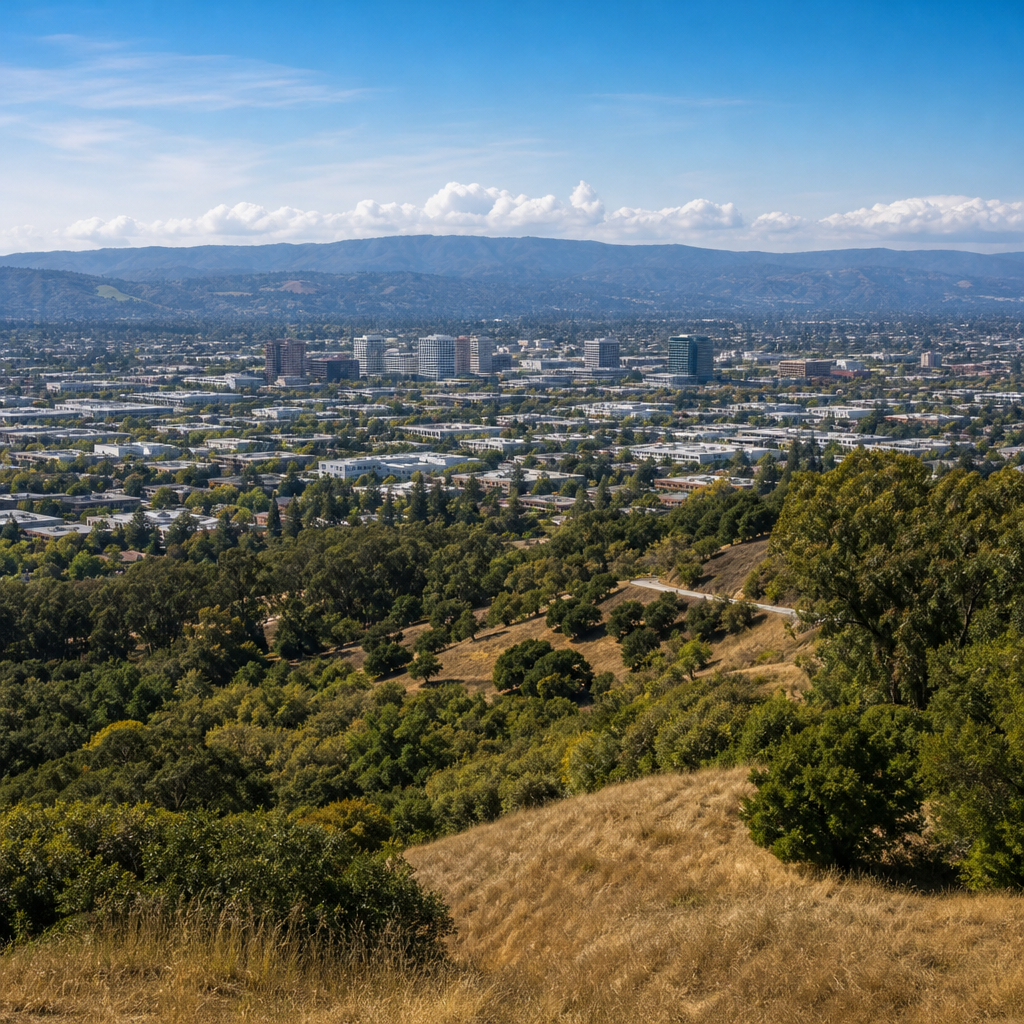
When people talk about “Santa Clara” in semiconductor history, they usually mean more than the boundaries of a single city. They are referring to the broader Santa Clara Valley, which became the core of what the world later called Silicon Valley. The semiconductor industry did not grow neatly inside one municipality. It developed across a connected regional landscape of laboratories, industrial parks, universities, suppliers, investors, and startup companies spread through neighboring communities.
This broader regional meaning is important because the industry’s success depended on density and interaction. Engineers changed employers without leaving the area. Suppliers could serve multiple chip companies within a short distance. Investors could meet founders, visit facilities, and stay closely involved. Research institutions and companies continually exchanged people and ideas. So while “Santa Clara” is technically a place name, in historical discussion it often serves as shorthand for the valley-wide ecosystem that made semiconductor growth possible.
The same is true of the phrase “semiconductor roots.” That phrase refers not just to one company or one invention, but to an early chain of people, laboratories, manufacturers, suppliers, and customers that collectively established the region’s technological base. Santa Clara Valley became historically significant because it concentrated those roots into a durable industrial network. That network then expanded into the larger Silicon Valley identity, but its semiconductor foundations were deeply tied to the Santa Clara region from the start.
How did venture capital and the culture of technical spinouts strengthen Santa Clara’s dominance in semiconductors?
Venture capital and a culture of technical spinouts were essential in turning Santa Clara from an early semiconductor center into the dominant one. Semiconductor progress depends on constant innovation, and innovation often comes from small groups of engineers who want to pursue a new technical idea, manufacturing process, or market opportunity. In Santa Clara, those groups had an unusually good chance of finding funding, recruiting skilled colleagues, and launching new firms without leaving the region.
That mattered because successful industries are not built by one company alone. They grow through repeated cycles of experimentation and company formation. When employees left established firms to create startups, they carried with them experience, specialized knowledge, supplier relationships, and a practical understanding of what the market needed. Those spinouts multiplied the region’s capabilities. One company trained people who founded another, which then trained people who founded several more. Over time, this created a dense family tree of semiconductor enterprises.
Venture capital made that process faster and more scalable. Investors in Santa Clara and the surrounding area became increasingly comfortable backing technically ambitious founders, especially when those founders came from known local firms or research institutions. Because capital was nearby, entrepreneurs could raise money more quickly, get strategic advice, and connect with networks of executives, customers, and future employees. This reduced the barriers to starting a semiconductor company, even in a field that required substantial expertise and long development timelines.
Just as important, the local culture gradually normalized risk. Failure did not automatically end a career; engineers and founders could regroup, join another company, or try again. That attitude helped keep talent circulating rather than dispersing. In combination, venture capital and spinout culture gave Santa Clara a powerful compounding advantage: the more semiconductor experience the region accumulated, the easier it became to fund and launch the next wave of semiconductor companies.