The intersection of gaming and education has become an area of explosive growth and innovation, especially in the epicenter of the tech world—Silicon Valley. This dynamic fusion has given rise to interactive learning tools that are transforming the traditional educational landscape. Leveraging the immersive and engaging nature of games, these tools have made learning more enjoyable and effective.
Silicon Valley, known for its cutting-edge technology and entrepreneurial spirit, is the birthplace of numerous companies and startups that are pioneering the development of educational games. These companies are harnessing the power of technology to create platforms that not only entertain but also educate. From coding games for children to interactive history lessons designed for high school students, these educational tools are diverse and cater to various learning styles and age groups.
One of the fundamental advantages of integrating gaming into education is the potential to enhance student engagement. Traditional methods of teaching can sometimes fail to captivate students’ attention, leading to disinterest and underperformance. However, by transforming lessons into interactive experiences, students are more likely to stay motivated and invested in their learning. This has proven particularly beneficial in subjects that students often find challenging, such as mathematics and science.
In this comprehensive article, we will delve deep into the exciting world of educational gaming innovations emerging from Silicon Valley. We will discuss the various types of interactive tools available, how they are being implemented in educational settings, the benefits they offer, and what the future holds for this burgeoning industry. Let’s embark on this journey of discovering how Silicon Valley is revolutionizing education through gamification.
Gamification in Education: A New Learning Paradigm
Gamification, the application of game-design elements and game principles in non-game contexts, has gained significant traction in the educational sector. In Silicon Valley, this paradigm shift is driven by the belief that learning should be fun, interactive, and deeply engaging. Gamified learning experiences can significantly enhance cognitive development and have been embraced in classrooms worldwide.
At the core of gamification is the concept of making learning activities more game-like by incorporating elements such as points, leaderboards, badges, and challenges. These elements can motivate students to participate more actively and improve their performance. For instance, educational platforms like Khan Academy have successfully integrated gamification by rewarding students with badges for completing courses and scoring higher on quizzes.
Moreover, startups in Silicon Valley are taking things a step further by developing immersive learning environments using augmented reality (AR) and virtual reality (VR). These technologies enable students to explore historical events, conduct virtual science experiments, and even interact with 3D models. Imagine a history lesson where students can virtually walk through ancient Rome or a biology class where they can dissect a frog without leaving the classroom.
The results of gamification in education have been overwhelmingly positive. Students report higher levels of satisfaction, engagement, and academic performance. Educators also benefit from gamified systems, as these tools often come with analytics and reporting features that help monitor student progress and identify areas that need improvement. This data-driven approach enables more personalized and effective teaching strategies.
Case Studies: Successful Interactive Learning Tools
To better understand how gamification is being applied in educational settings, let’s take a look at some successful case studies of interactive learning tools developed in Silicon Valley.
1. Prodigy Math Game: Prodigy is an educational platform that turns math practice into an adventure game. Students solve math problems to progress through the game, battling monsters, earning rewards, and completing quests. Prodigy adapts to each student’s learning level, providing personalized content that targets their specific needs. It’s a prime example of how gamification can make learning math fun and engaging.
2. Classcraft: Classcraft transforms classroom management and learning into a role-playing game (RPG). Students create characters and earn points for positive behavior, teamwork, and academic achievements. The goal is to foster a collaborative classroom environment and motivate students to excel both academically and socially. Classcraft has proven to increase student participation and decrease disciplinary issues.
3. CodeCombat: CodeCombat is an interactive platform designed to teach coding through gameplay. Students write code to control their characters and complete challenges. The platform supports various programming languages, including Python and JavaScript. By turning coding lessons into an engaging game, CodeCombat has made learning to code more accessible and enjoyable for students of all ages.
These case studies demonstrate the transformative potential of gamified interactive learning tools. They highlight the diverse applications of gaming in education and the significant benefits they offer to both students and educators.
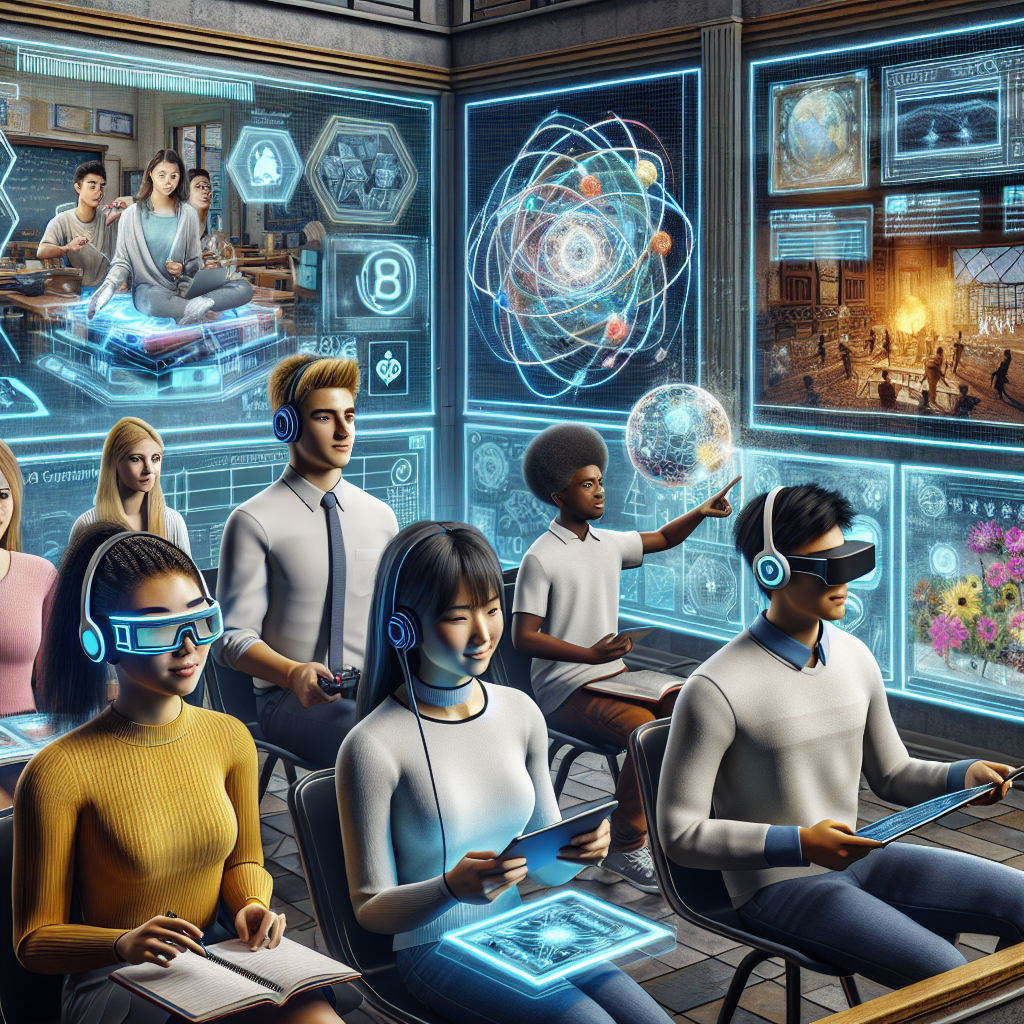
Implementing Interactive Learning Tools in the Classroom
While the benefits of interactive learning tools are clear, successful implementation in the classroom requires careful planning and a supportive environment. Here are some key steps for educators and schools looking to integrate these tools into their teaching strategies.
1. Assessing Needs and Setting Goals: The first step is to identify the specific needs of your students and set clear educational goals. Are you looking to improve engagement, enhance understanding of complex subjects, or provide personalized learning experiences? Understanding your objectives will help determine the best tools for your classroom.
2. Choosing the Right Tools: With a plethora of interactive learning tools available, it’s essential to choose those that align with your goals and the curriculum. Consider factors such as age appropriateness, ease of use, and the level of interactivity. It’s also important to evaluate the credibility and effectiveness of the tool based on user reviews and case studies.
3. Training and Support: Teachers need to be adequately trained to use new technology effectively. Professional development workshops and ongoing support can help educators feel more confident in integrating these tools into their teaching practices. Schools should also provide technical support to address any challenges that arise during implementation.
4. Integration with Curriculum: Interactive learning tools should be seamlessly integrated into the existing curriculum. They should complement and enhance traditional teaching methods, not replace them. Educators can use these tools to supplement lessons, provide additional practice, or introduce new concepts in an engaging way.
5. Monitoring and Evaluation: Continuous monitoring and evaluation are crucial to ensure that the tools are effectively meeting educational goals. Collecting feedback from students and teachers, analyzing performance data, and making necessary adjustments can help optimize the use of interactive learning tools in the classroom.
The Benefits of Interactive Learning Tools
The adoption of interactive learning tools offers numerous benefits for both students and educators. Here are some of the most significant advantages:
1. Increased Engagement: Interactive learning tools make learning more fun and engaging. Games and gamified elements capture students’ attention and motivate them to participate actively in their learning.
2. Personalized Learning: Many interactive tools adapt to the individual needs and skill levels of students, providing personalized learning experiences. This helps students learn at their own pace and receive targeted support where they need it most.
3. Enhanced Understanding: Interactive tools often use visuals, simulations, and hands-on activities to explain complex concepts. This can enhance students’ understanding and retention of the material.
4. Immediate Feedback: Many gamified learning platforms provide instant feedback on students’ performance. This allows students to identify and address their mistakes immediately, leading to more effective learning.
5. Collaboration and Social Skills: Some interactive tools are designed to encourage collaboration and teamwork. Students work together to solve problems, complete tasks, and achieve common goals, fostering important social skills.
6. Data-Driven Insights: Interactive learning tools often come with analytics features that provide data-driven insights into student performance. Educators can use this data to tailor their teaching strategies and offer more personalized support.
These benefits make a compelling case for the integration of interactive learning tools in educational settings. By embracing these innovations, schools can create a more engaging, personalized, and effective learning experience for their students.
The Future of Interactive Learning Tools
The future of interactive learning tools in education looks promising, with several exciting trends and developments on the horizon.
1. Advanced AI and Machine Learning: Artificial intelligence (AI) and machine learning are set to revolutionize interactive learning tools. These technologies can provide highly personalized learning experiences by analyzing vast amounts of data to understand each student’s unique needs and preferences.
2. Enhanced AR and VR Experiences: Augmented reality (AR) and virtual reality (VR) will continue to evolve, offering even more immersive and interactive learning experiences. Students will be able to explore virtual worlds, conduct realistic simulations, and participate in interactive lessons that transcend traditional classroom boundaries.
3. Gamification Beyond the Classroom: The principles of gamification are likely to be applied more broadly, extending beyond the classroom to other areas of education and training. This could include professional development, corporate training, and lifelong learning programs.
4. Increased Accessibility: Efforts are underway to make interactive learning tools more accessible to students with diverse needs and from various backgrounds. This includes developing inclusive content, offering multilingual support, and ensuring compatibility with assistive technologies.
5. Evolving Assessment Methods: Traditional assessment methods are being re-evaluated in the context of interactive learning tools. New assessment techniques, such as formative assessments embedded within games and real-time performance tracking, are emerging as more effective ways to measure student progress.
As these trends continue to develop, the role of interactive learning tools in education will become even more significant. By leveraging advanced technologies and innovative approaches, Silicon Valley will likely remain at the forefront of this educational revolution.
Conclusion
The convergence of gaming and education has unlocked new possibilities for creating engaging, effective, and personalized learning experiences. Silicon Valley, with its culture of innovation and technological prowess, is driving this transformation by developing interactive learning tools that capture the imagination and interest of students across the globe.
Through gamification, AR, VR, and other advanced technologies, educational games and platforms are reshaping how we teach and learn. The benefits of these tools are evident—enhanced engagement, personalized learning, improved understanding, immediate feedback, and the development of collaboration and social skills. As schools and educators embrace these innovations, they are creating more dynamic and effective learning environments.
Looking ahead, the future of interactive learning tools holds tremendous potential. Advances in AI, machine learning, and immersive technologies will further enhance the educational landscape, offering even more sophisticated and tailored experiences. As we continue to explore the possibilities, one thing is clear: the fusion of gaming and education will play a pivotal role in shaping the future of learning.
In conclusion, Silicon Valley’s interactive learning tools are not just changing the way we educate; they are redefining the very nature of learning itself. By embracing these innovations, we can create a world where education is not only effective but also enjoyable and inspiring for students of all ages.