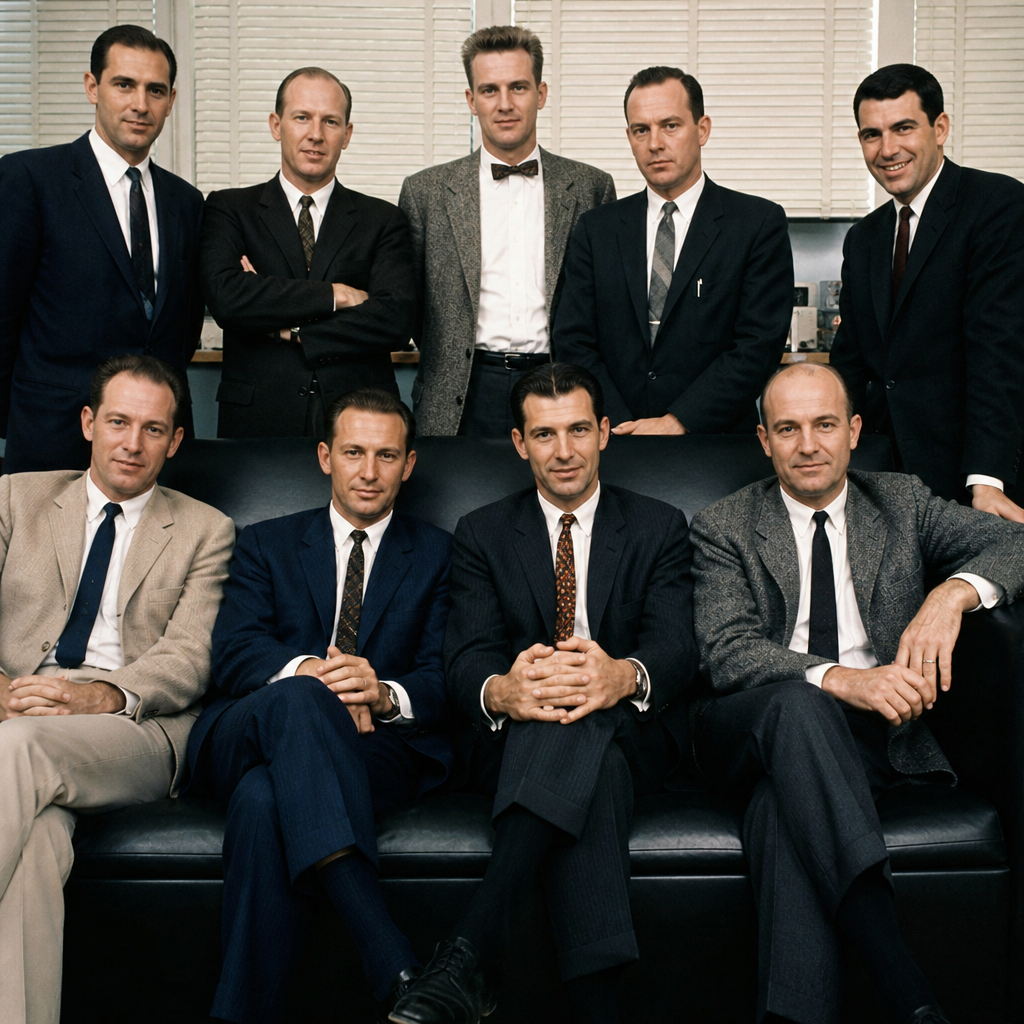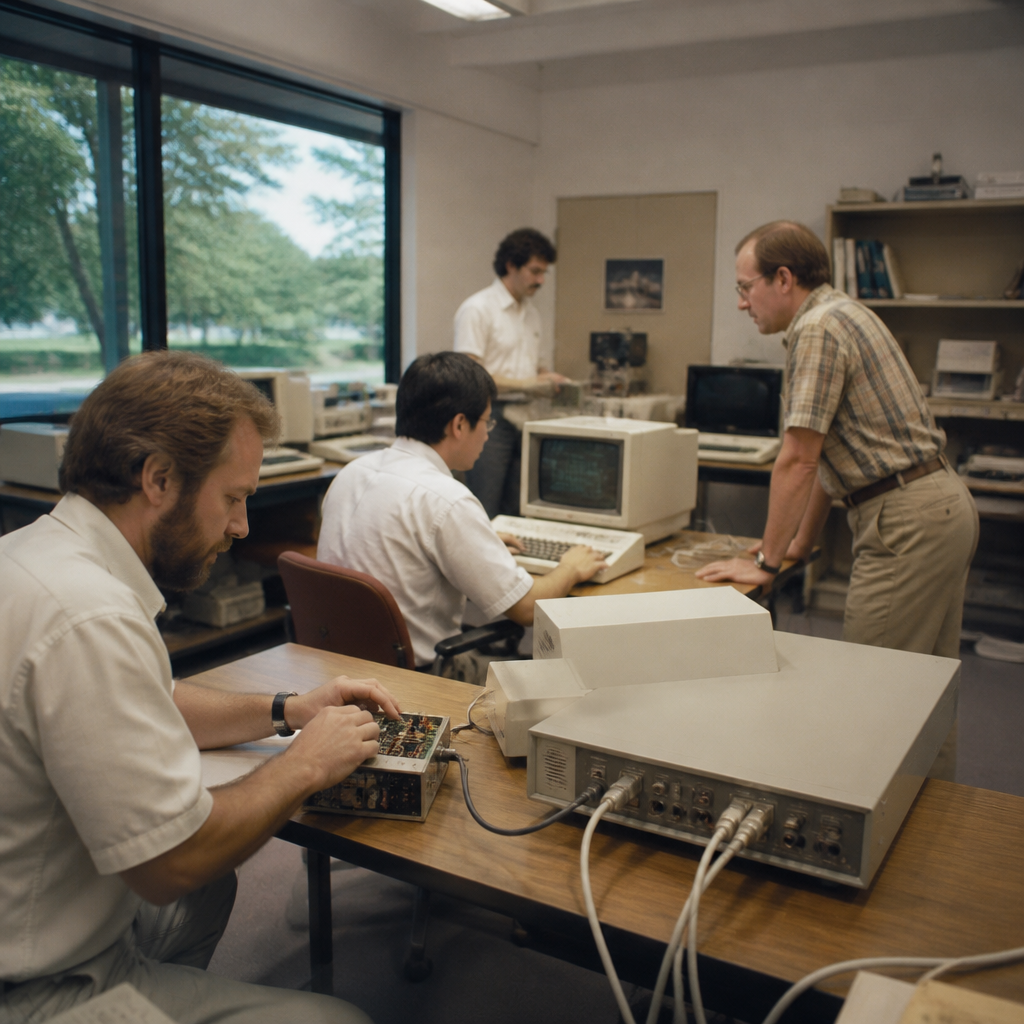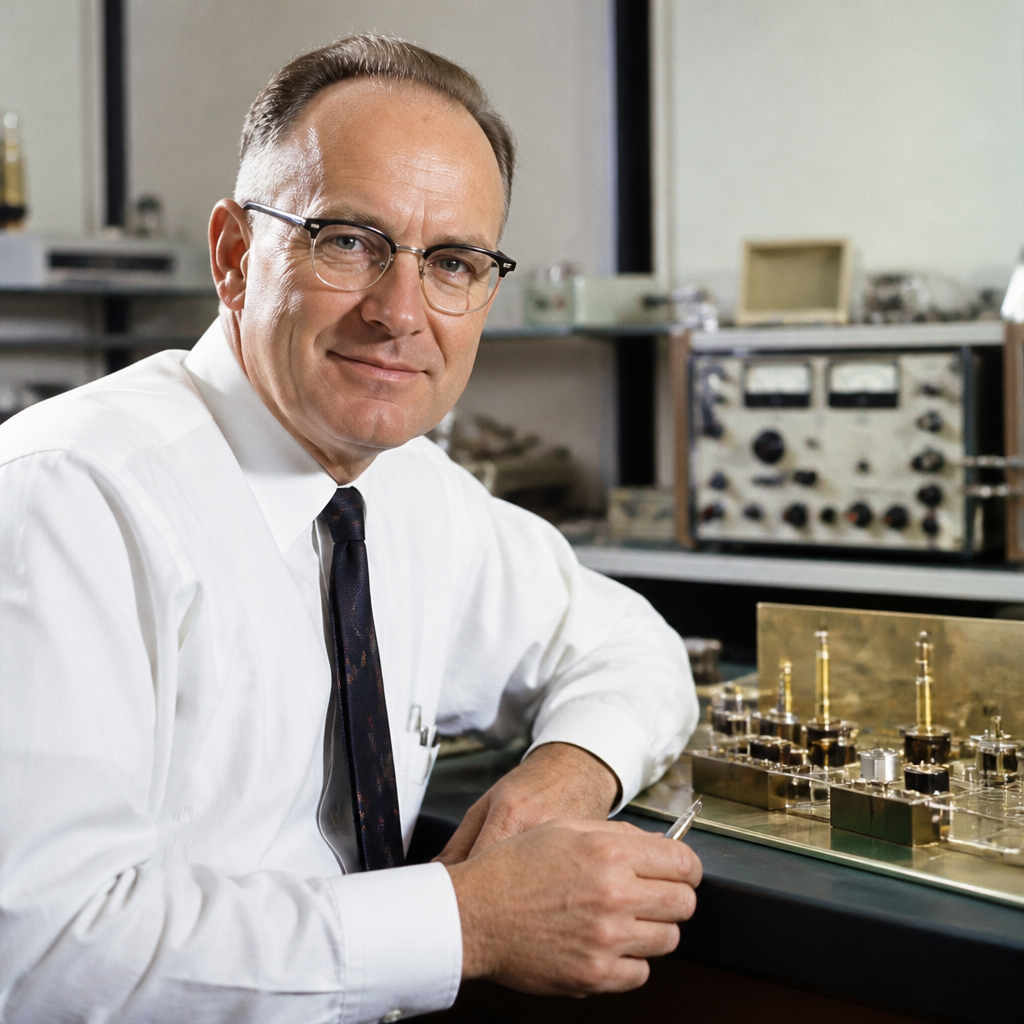
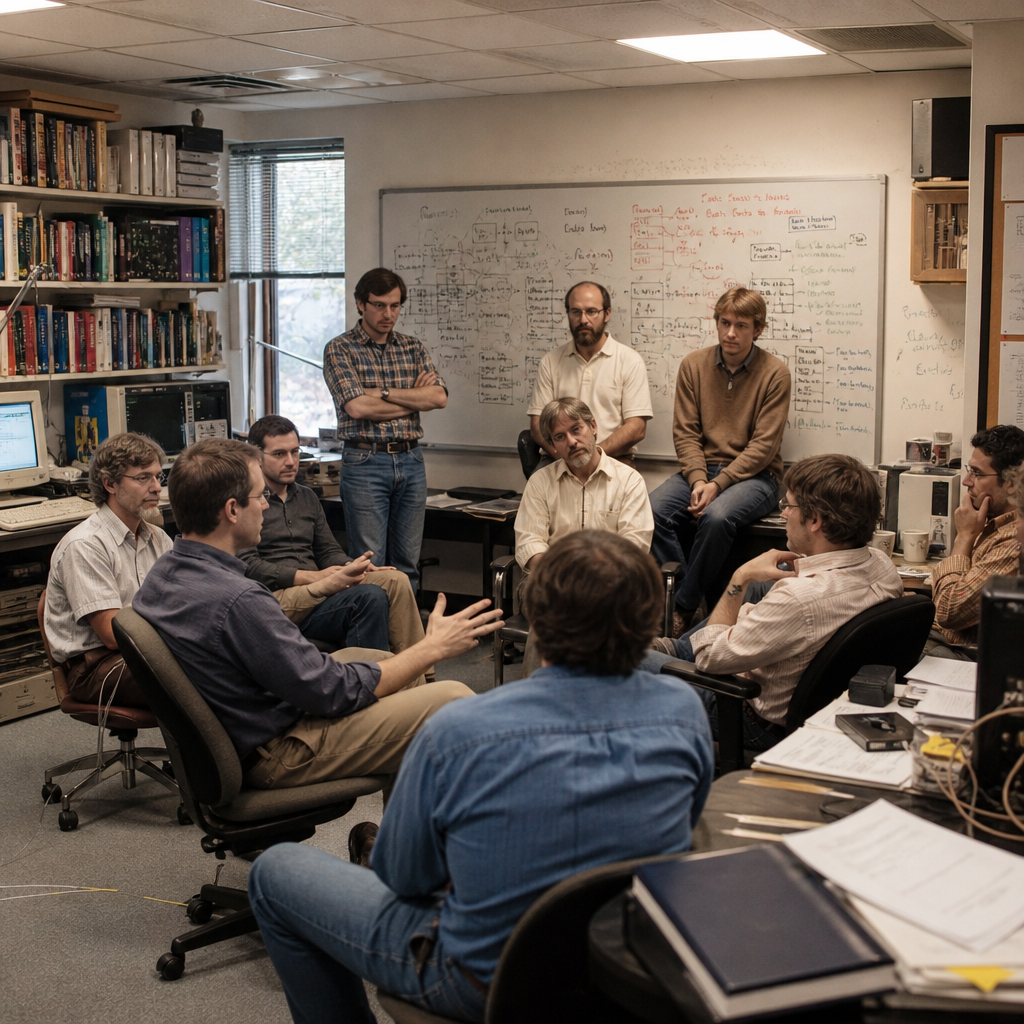
Stanford AI Lab stands as one of the most influential early research communities in computing history, helping define how artificial intelligence, networked systems, data storage, and interactive computing evolved together. In this context, Stanford AI Lab, often called SAIL, refers not only to a university laboratory founded in the 1960s, but also to a dense ecosystem of researchers, hardware builders, programmers, and graduate students who treated artificial intelligence as a practical engineering discipline. That distinction matters. SAIL did not develop in isolation as a purely theoretical center. It grew through direct work on time-sharing computers, custom displays, robotics, speech, databases, and early internet-connected collaboration. When I review SAIL’s legacy, the central lesson is clear: progress in artificial intelligence has always depended on advances in computing infrastructure, storage systems, and communication networks. For readers exploring historical perspectives on computing, storage, and internet development, SAIL is a vital hub because it shows how these fields co-evolved. Many modern assumptions about online research communities, machine intelligence, human-computer interaction, and shared digital resources can be traced to the culture and systems built there. Understanding SAIL explains why AI breakthroughs are rarely just about algorithms; they emerge from communities that can compute, store, share, and iterate at scale.
How Stanford AI Lab emerged as a computing community
Stanford Artificial Intelligence Laboratory formally took shape under John McCarthy, one of the foundational figures in AI and the researcher who coined the term artificial intelligence in the 1950s. After moving to Stanford, McCarthy built a lab culture that emphasized open-ended experimentation backed by serious systems engineering. That mix distinguished SAIL from smaller academic groups that focused only on logic, theorem proving, or symbolic reasoning. Researchers needed machines powerful enough to support AI programs, so computing infrastructure became part of the science itself. The lab’s work intersected with the Stanford Research Institute, the broader Stanford computer science department, and federally funded research streams, especially through agencies such as ARPA. In practical terms, this meant money for machines, terminals, networking, and storage, but it also meant pressure to produce usable systems.
What made SAIL historically important was the concentration of talent working across layers of the stack. Faculty, students, and staff did not separate software from hardware as cleanly as institutions often do today. If a project needed a better display system, someone designed one. If users needed better file access, operating system work followed. If robots required sensor processing, compute capacity had to increase. This environment produced graduates and collaborators who later influenced Xerox PARC, Sun Microsystems, internet architecture, workstation design, and modern machine learning infrastructure. The lab became a prototype for a networked technical community: shared machines, shared code, shared standards, and constant iteration.
Why computing power and time-sharing were essential to AI research
Early AI research demanded interactive access to expensive computers, not occasional batch jobs. SAIL therefore invested heavily in time-sharing, which allowed many users to work on one central machine through terminals. That model changed AI research from a slow submission process into an exploratory activity. A researcher writing a Lisp program for planning, language processing, or vision could test ideas in near real time, inspect memory states, and revise code immediately. This was not a convenience; it was a prerequisite for meaningful experimentation. McCarthy himself was closely associated with time-sharing advocacy because he understood that intelligence research depended on fluid human-machine interaction.
Over the years, SAIL used powerful systems including DEC PDP machines and later custom configurations that supported demanding workloads. The famous SAIL computer environment became known for ambitious engineering and a hacker culture focused on maximizing utility from limited hardware. In historical terms, this is a key link between computing and AI: laboratories that could support many simultaneous users generated faster conceptual progress. Interactive computing enabled new debugging practices, collaborative programming, and software reuse. Those patterns later became normal in university labs, corporate R&D groups, and cloud-based AI development environments. Today’s notebooks, shared clusters, and remote development shells are more advanced descendants of the same basic need SAIL confronted early: researchers must be able to experiment continuously, not wait in line for computational access.
Storage systems, data handling, and the problem of persistence
Artificial intelligence work creates code, models, logs, language resources, image data, robot telemetry, and documentation. SAIL’s researchers learned early that storage is not a secondary concern. Reliable persistence determines whether experiments can be replicated, expanded, or shared. In the 1960s and 1970s, this meant managing magnetic disks, tapes, file systems, and account structures under severe capacity constraints. Every megabyte mattered. Because storage was expensive and finite, teams had to think carefully about what to preserve, how to organize it, and who could access it.
That discipline shaped good research habits. Structured file management made collaborative development possible. Archiving source code and technical notes supported continuity as students graduated and new teams arrived. In my experience reviewing older computing environments, the labs that left durable impact were usually the ones that treated storage policy as part of scientific method. SAIL fits that pattern. It was an environment where software libraries, operating system modifications, and research artifacts circulated through shared infrastructure. This anticipates modern concerns around datasets, version control, experiment tracking, and reproducibility.
Storage also influenced what kinds of AI problems were tractable. Speech systems, image processing, and robotics all generated data streams that pushed against available media. Researchers had to compress, sample, and prioritize. Those limitations shaped research design in ways often forgotten today, when cloud object storage can expand almost without visible limit. SAIL’s legacy reminds us that data abundance is recent; early progress came from clever system design under storage scarcity.
Networking, ARPANET, and the rise of connected research
SAIL mattered not only because of local computing, but because it participated in the transition from isolated machines to connected research networks. Through ARPANET-era development, leading laboratories gained the ability to exchange messages, share software, and access remote resources. This was transformative. Once researchers could communicate through networked systems rather than postal mail or occasional conference visits, collaboration accelerated dramatically. The internet’s academic roots are visible here: networking first solved real research problems, including remote access to compute power and faster knowledge exchange.
At Stanford, this networking culture reinforced the idea that AI progress depended on communities rather than lone inventors. A lab could test programs locally, transfer files, compare methods with peers elsewhere, and build upon shared tools. Email, remote logins, and network protocols were not side stories. They directly supported scientific productivity. The same pattern still defines contemporary AI work, where distributed teams train models in one location, evaluate them in another, and publish code repositories globally within hours.
| Infrastructure area | Role at SAIL | Lasting influence |
|---|---|---|
| Time-sharing computers | Enabled many researchers to work interactively on one system | Shaped collaborative computing and modern shared clusters |
| File storage | Preserved code, datasets, notes, and system changes | Anticipated reproducibility and versioned research workflows |
| Networking | Connected Stanford researchers with remote institutions | Helped establish online scientific collaboration norms |
| Specialized terminals and displays | Improved real-time interaction with programs and visual data | Influenced workstation and interface design |
For a historical perspectives hub focused on computing, storage, and internet development, this integration is the point. SAIL demonstrates that the internet did not simply arrive and later affect AI. Networking was woven into the operational life of advanced AI laboratories during the field’s formative decades.
Technical culture, notable projects, and influence beyond Stanford
SAIL produced a distinctive technical culture that reached far beyond campus. The lab became known for strong work in Lisp systems, robotics, computer vision, natural language, speech understanding, and human-computer interaction. One visible example was the Stanford Cart, an early mobile robot that embodied the integration challenge perfectly: perception, planning, hardware control, and computational limits all had to be solved together. Another area was display and terminal design, including high-quality interactive environments that supported graphics and coding more effectively than standard institutional systems.
SAIL also influenced the broader computing world through people. Alumni and affiliates carried its practices into other major innovation centers. The ethos of building tools for researchers, sharing improvements, and pushing machines beyond vendor defaults appeared later in workstation culture and networked software engineering. When historians connect SAIL to Xerox PARC or to the emergence of Silicon Valley technical norms, they are identifying this transfer of method: interdisciplinary engineering paired with open experimentation.
There were limitations. Early AI optimism often exceeded what available hardware and data could sustain. Symbolic approaches dominated many periods, and some ambitions proved premature. Yet this does not diminish SAIL’s significance. On the contrary, it clarifies it. The lab’s real achievement was not that every research claim succeeded, but that it built a durable model for how ambitious computing research should be organized. Strong infrastructure, shared resources, skilled operators, and networked collaboration turned bold ideas into testable systems.
What Stanford AI Lab teaches modern readers about AI infrastructure
The clearest takeaway from Stanford AI Lab is that artificial intelligence advances when research communities invest in the full technical environment, not only headline algorithms. Compute, storage, and networking are not background utilities. They shape which questions can be asked, how quickly results can be verified, and whether knowledge survives beyond one project cycle. SAIL proved this decades ago through time-sharing systems, disciplined file management, interactive programming, and participation in early networked collaboration.
For anyone exploring the history of computing, storage, and internet development, SAIL is an ideal hub because it links all three domains to a single influential research community. It shows why AI history belongs inside infrastructure history. If you want to understand today’s model training clusters, shared repositories, research clouds, and online scientific communities, start with Stanford AI Lab and follow the systems it helped normalize. Use this page as your entry point into the wider historical perspectives topic, then continue into deeper articles on networking, storage media, and the computing architectures that made artificial intelligence practical.
Frequently Asked Questions
What was the Stanford AI Lab, and why is it considered so important in the history of artificial intelligence?
Stanford AI Lab, commonly known as SAIL, was one of the most influential early centers for artificial intelligence research in the United States. Founded in the 1960s at Stanford University, it became far more than a single laboratory or department. It functioned as a tightly connected research community where computer scientists, electrical engineers, graduate students, and systems builders worked side by side on problems that would define modern computing. Its importance comes from the fact that it approached AI not as an isolated theory, but as something that required real machines, real software, real interfaces, and real experimentation.
What made SAIL especially significant was the way it brought multiple computing disciplines together. Researchers there explored machine vision, robotics, natural language, reasoning systems, and symbolic AI, but they also had to solve practical problems in networking, storage, time-sharing, programming environments, and display systems. In other words, the lab helped show that progress in artificial intelligence depended on broader advances in computing infrastructure. That integrated mindset had lasting impact, because many of the technologies and methods now taken for granted in AI research were shaped in environments like SAIL where software, hardware, and experimentation evolved together.
SAIL also mattered because of the people it attracted and trained. It became a hub for ambitious researchers who later influenced universities, major technology companies, and entire branches of computer science. Its legacy is not limited to any one invention. Instead, it lies in the culture it fostered: open-ended experimentation, interdisciplinary collaboration, and a belief that intelligent systems had to be built and tested in the real world. That combination helped make Stanford AI Lab one of the foundational communities in the larger story of artificial intelligence.
How did SAIL contribute to fields beyond artificial intelligence itself?
Although artificial intelligence was central to the lab’s identity, SAIL’s influence extended well beyond classic AI research. One reason is that early AI work demanded unusually powerful computing tools, which pushed researchers to innovate in areas like networked systems, interactive computing, graphics, and data management. The people at SAIL were not simply writing AI programs; they were often creating the environments those programs needed in order to run effectively. That meant building custom hardware, improving operating systems, refining software tools, and designing more capable ways for people to interact with computers.
This broader contribution is a major reason the lab holds such an important place in computing history. Interactive computing, for example, benefited from the lab’s culture of direct experimentation and constant system use. Researchers needed responsive machines, reliable terminals, and ways to test complex software quickly, so the lab became part of a larger shift away from batch processing toward more immediate and human-centered computing. Similarly, work connected to networking and shared computational resources helped reinforce the idea that computers were not just isolated calculation devices, but part of collaborative technical ecosystems.
Data storage and systems engineering also played a crucial role. AI programs often required large codebases, specialized datasets, and reliable access to computational resources, so the lab’s practical needs helped stimulate advances in how information was stored, organized, and accessed. In this way, SAIL contributed to the wider development of modern computing architecture. Its legacy reaches into software engineering, computer networking, user interfaces, and systems design because the researchers there treated AI as something inseparable from the computing environment that supported it.
What made the Stanford AI Lab community different from a typical university research lab?
What distinguished SAIL from a more conventional academic lab was the density and intensity of its research culture. It was not just a place where faculty supervised isolated projects. Instead, it operated more like a living technical ecosystem. Graduate students, programmers, hardware designers, and faculty members often shared tools, machines, ideas, and technical problems. The boundaries between disciplines were unusually porous, which allowed progress in one area to influence another very quickly. A problem in robotics might lead to work in vision systems, which in turn might require advances in hardware or software infrastructure.
This collaborative environment created a feedback loop that made the lab especially productive. Researchers were not working in abstraction alone; they were surrounded by people who could help design a circuit, debug a system, improve a compiler, or rethink an AI model. That atmosphere encouraged rapid iteration and practical engineering. It also reflected a distinctive philosophy: if you wanted to advance artificial intelligence, you had to build the surrounding computational world needed to support it. That way of thinking set SAIL apart from institutions where theory and implementation were more strictly separated.
The social and intellectual culture mattered just as much as the technology. SAIL became known for attracting people who were ambitious, technically adventurous, and willing to challenge existing assumptions about computing. The result was a community where experimentation was normal, interdisciplinary problem-solving was expected, and long-term technological vision coexisted with hands-on engineering. That combination is a big part of why SAIL is remembered not merely as a laboratory, but as an early research community that helped shape the direction of computer science itself.
What kinds of research and projects were associated with SAIL in its early years?
In its early decades, SAIL was associated with a wide range of projects that reflected the broad ambitions of artificial intelligence research at the time. These included work in robotics, computer vision, natural language processing, automated reasoning, knowledge representation, and symbolic problem-solving. The underlying goal was to explore how machines could perceive, reason, and act in ways that resembled human intelligence, even if only in limited domains. Researchers were interested in building systems that could interpret inputs, make decisions, and respond intelligently rather than simply execute predefined calculations.
At the same time, many of the lab’s projects required foundational technical support. Robotics needed sensors, control systems, and computation that could operate in real environments. Vision research demanded ways to process and interpret visual data. Language-related projects required sophisticated software structures and computational resources. Because of this, SAIL’s project portfolio naturally extended into systems work, hardware development, programming tools, and machine access technologies. The lab’s output was often as much about enabling intelligent computation as about demonstrating it directly.
That mix of AI ambition and engineering realism is one of the defining features of SAIL’s early history. Researchers did not separate grand questions about intelligence from the practical demands of implementation. If a machine needed better memory, faster access, improved displays, or more reliable software, those became research problems too. This is why the lab’s early work is best understood as part of a larger effort to create the technical foundations for intelligent systems. Its projects helped establish the idea that AI progress depends not just on algorithms, but on the entire stack of computing technologies that makes advanced experimentation possible.
Why does Stanford AI Lab still matter when discussing the development of modern AI and computing?
Stanford AI Lab still matters because many of the central themes in modern AI were already present in its early research culture. Today, people often talk about AI as a convergence of algorithms, computing power, data, infrastructure, and interdisciplinary expertise. SAIL embodied that convergence decades ago. It showed that meaningful progress in artificial intelligence required more than isolated breakthroughs in logic or modeling. It required a community capable of designing systems, building tools, sharing computational resources, and testing ideas through continuous experimentation.
The lab also remains relevant because it helped establish a model for innovation that is now common across major research universities and advanced technology companies. Modern AI labs often combine machine learning research with infrastructure engineering, hardware optimization, data systems, and human-computer interaction. That integrated approach has deep historical roots, and SAIL is one of the clearest early examples. Its influence can be seen in the way contemporary AI research environments are organized: collaborative, cross-functional, technically ambitious, and deeply dependent on shared platforms.
Finally, SAIL matters because it reminds us that the history of artificial intelligence is not just a timeline of theories or famous programs. It is also a story about communities, institutions, and technical cultures that made experimentation possible. Stanford AI Lab helped create one of those formative environments. By bringing together researchers who treated AI as both an intellectual challenge and an engineering discipline, it helped shape not only early artificial intelligence, but also the broader evolution of networked, interactive, and systems-driven computing.